Federal govt should use contingency funds for fuel relief: Hemnani
KARACHI: Sindh government spokesperson Sukhdev Hemnani has suggested that the federal government utilise the budgeted Rs430 billion contingency allocation to substantially expand fuel relief measures while also reducing the burden of the Petroleum Development Levy (PDL). He called upon the federal government to reduce the PDL target and deploy available contingency resources to provide broader…
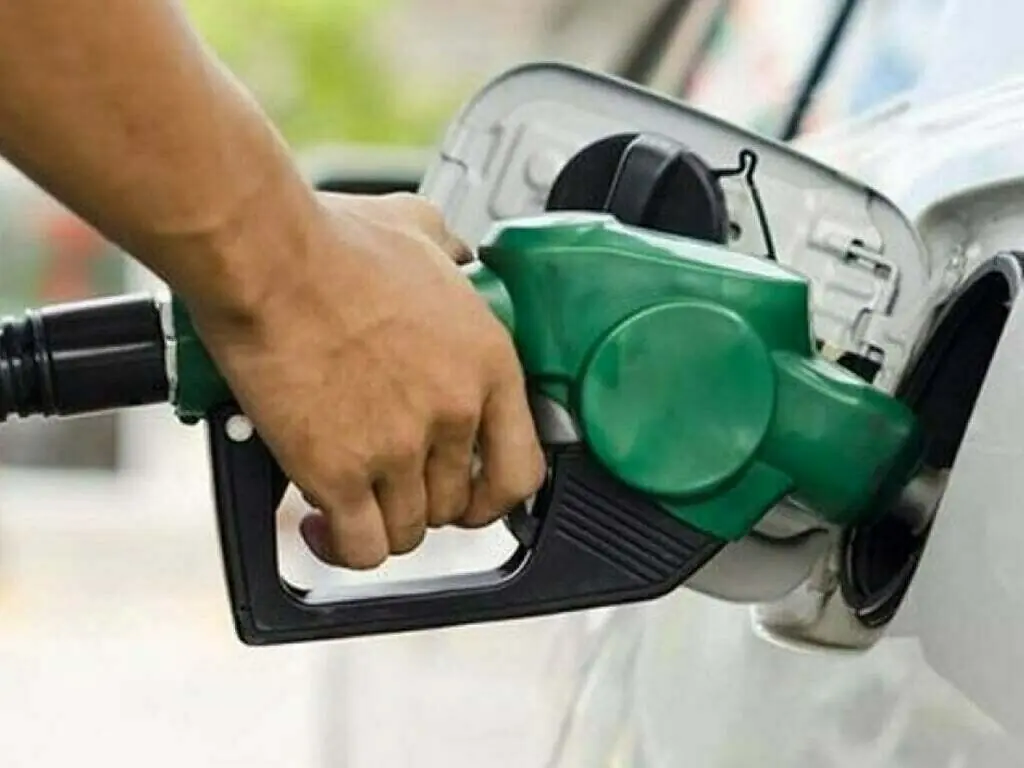
Sindh government spokesperson Sukhdev Hemnani has urged the federal government to use the Rs430 billion contingency allocation to expand fuel relief measures and alleviate the burden of the Petroleum Development Levy (PDL). Hemnani contends that the current Rs75 billion targeted package is insufficient to address the far-reaching impact of soaring fuel prices on the economy.
He argues that relief should extend to motorcycles, rickshaws, and small-car owners, as the present crisis demands a more comprehensive response. Hemnani points out that despite collecting Rs100 billion more than the original target last fiscal year, the PDL target for FY27 has been raised to approximately Rs1.677 trillion. In such extraordinary circumstances, he asserts that revenue targets should adapt to economic realities rather than impose additional burdens on citizens.
Hemnani urges the federal government to adjust the current PDL target to the FY26 level and utilize the resulting fiscal space to reduce the levy burden on petroleum consumers. He notes that despite exceeding their original target by Rs99 billion, petroleum levy collections still left substantial contingency resources available.
By allocating more fiscal space to protect consumers from escalating fuel costs, the government could have better mitigated the impact on transport, agriculture, businesses, and households. Hemnani emphasizes that the current fuel-price crisis, along with its cascading effects, necessitates the deployment of contingency provisions.
He stresses that fuel prices affect not only motorists but also transportation costs, agricultural inputs, food prices, and the cost of doing business. Therefore, relief efforts must address the broader inflationary chain rather than being limited to a specific group of consumers. In this scale of crisis, safeguarding citizens from external price shocks should be the state's top priority.
Written by urgent.news from Business Recorder's reporting — not their text. Machine-written — may contain errors; check the original before relying on it.