Fatty liver: 6 popular hacks rated from -10 to 8 by a gastroenterologist
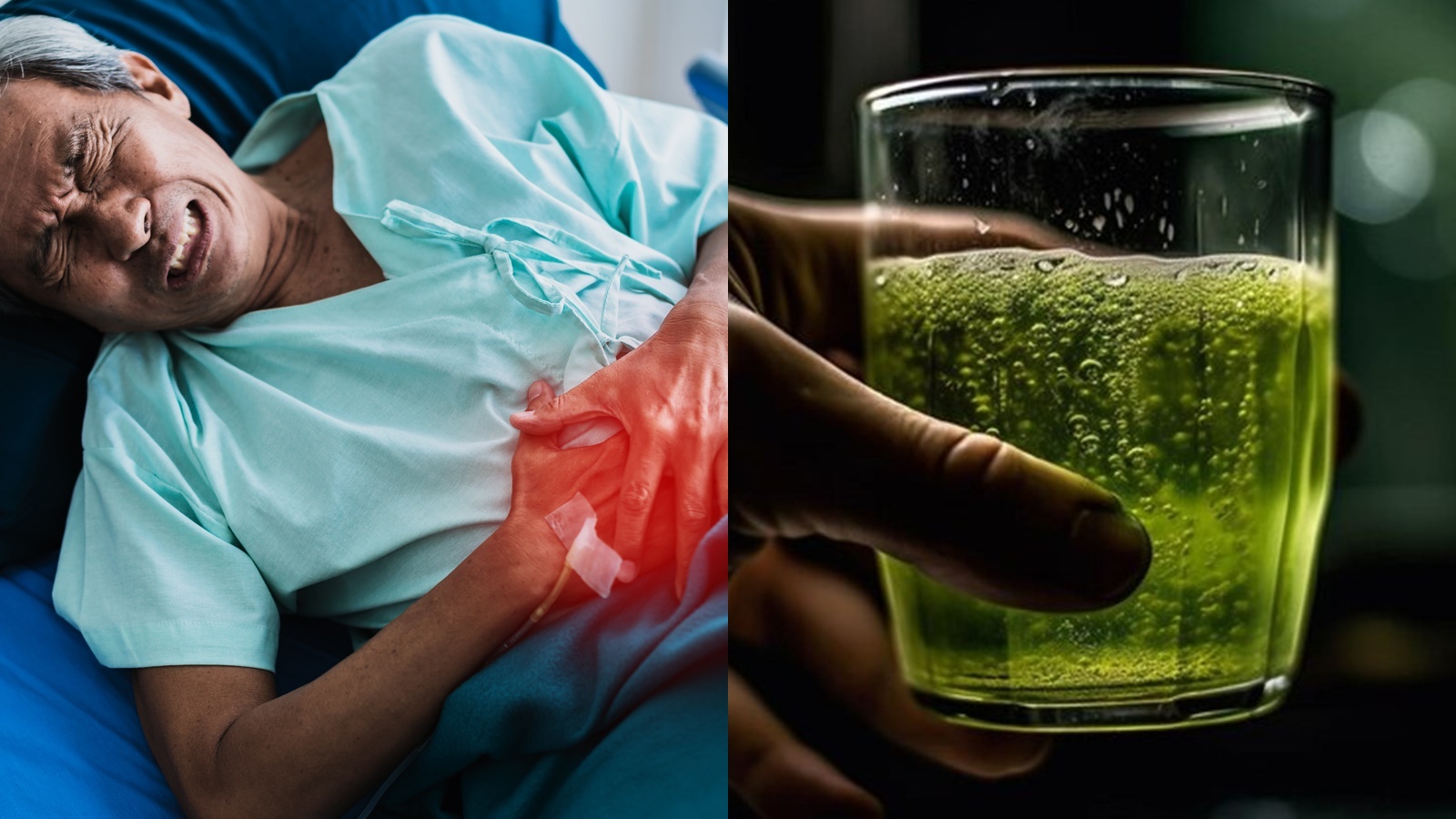
Fatty liver, a condition marked by excessive fat in the liver, often starts without noticeable symptoms such as belly fat, fatigue, sugar cravings, or brain fog. Dr Praveen Jha, a consultant gastroenterologist at Regency Superspeciality Hospital, explains that fatty liver occurs when over 5% of the liver's mass is made up of fat.
While excessive alcohol consumption is a common cause, many cases of fatty liver disease are unrelated to alcohol intake. Non-alcoholic liver disease (NAFLD) is one of the most prevalent liver conditions in adults and children in India, according to Jha.
Despite the proliferation of internet "hacks" promising quick fixes for fatty liver, Dr Aabha Nagral, a gastroenterologist at Jaslok Hospital and Research Centre in Mumbai, has evaluated their effectiveness. One such remedy, often promoted as a solution, receives a dismal score of 0/10: liver tonic. Jha clarifies that there is insufficient evidence to suggest that liver tonics reduce liver fat, inflammation, or fibrosis in fatty liver patients. Instead, weight loss, exercise, and proven medications are far more effective.
Black coffee, however, earns a high score of 8/10 for its potential benefits in fatty liver management. Regular consumption of black coffee has been consistently linked to reduced liver fibrosis, lower risks of cirrhosis, and liver cancer. The key is in plain black coffee, as added sugars, syrups, and creamers negate these benefits. Gastroenterologists rate black coffee as a highly effective (8/10) strategy.
Resistance training also scores highly, with a rating of 8/10. Strength-building exercises reduce liver fat and improve insulin sensitivity, even without significant weight loss. However, individuals with a hernia should consult their doctor before engaging in heavy lifting or straining activities, as these can increase abdominal pressure and potentially harm the liver.
Detox teas, a popular internet trend, receive a disheartening score of -10/10. These teas do little to aid fatty liver, as the liver naturally detoxifies itself. Many detox teas contain laxatives or unregulated herbs that can lead to dehydration or even liver injury. Jha warns against relying on detox teas for fatty liver management.
Among pharmacological interventions, GLP-1 medicines like semaglutide earn a commendable 8/10 rating. Clinical trials have demonstrated that these drugs can lead to weight loss, decreased liver fat, and improved liver inflammation and fibrosis. However, it is crucial that these medications are prescribed and monitored by a healthcare professional, as they work best when combined with diet and exercise.
Finally, Dr Jha recommends several lifestyle measures to manage fatty liver effectively. A diet rich in olive oil, nuts, and avocados can promote liver fat loss, with protein consumption reducing liver fat by up to 20%. Green tea, containing catechins, has also been linked to decreased liver fat and inflammation in those with NAFLD.
Staying well-hydrated by drinking water aids the liver in moving toxins through its cellular systems and expelling them from the body. Regular exercise, particularly high-intensity interval training (HIIT), and even low-intensity workouts, are essential for reducing both body and liver fat. Consistency is key in these practices.
Written by urgent.news from The Indian Express's reporting — not their text. Machine-written — may contain errors; check the original before relying on it.
Also reported by 1 other outlet
- Fatty liver: 6 popular hacks rated from -10 to 8 by a gastroenterologist indianexpress.com