Experts call for cities designed for and by women to create a safer environment
Women and girls should be partners in designing public spaces, a delegate stressed; national consultation was organised to mark 15 years of the UN Women’s Safe Cities and Safe Public Spaces initiative
On September 16, 2026, experts from various fields convened to advocate for cities designed with the input of women. The consensus was that such urban planning would foster a safer environment for women to move around freely, access public spaces, and engage in economic pursuits. This call for action arose during the 15th anniversary celebration of the UN Women’s Safe Cities and Safe Public Spaces initiative.
Rajib Kumar Sen, Programme Director at NITI Aayog, emphasized that safe cities now encompass not just violence prevention, but also the aspects of urban mobility, public access, and economic participation for women. He also pointed out the potential for city planning to become more inclusive, promoting women's meaningful engagement with urban environments.
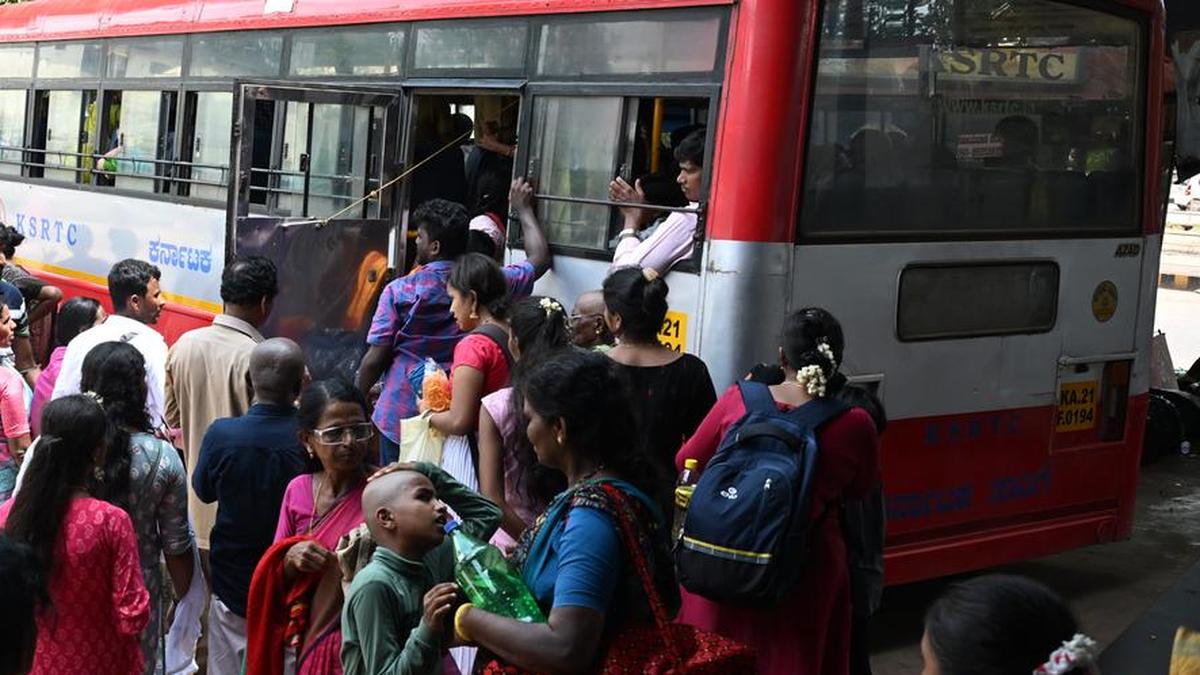
World Bank data from India’s 2011 Census revealed that 45.4% of women walked to work, a figure significantly higher than the 27.4% of men. Additionally, surveys highlighted that 50–70% of women in Indian cities often bypass public transportation due to safety concerns. A 2012 survey conducted by UN Women and the International Center for Research on Women (ICRW) disclosed that a staggering 92% of women in Delhi had encountered some form of sexual violence in public spaces, with just 5% perceiving these areas as safe.
Stefan Priesner, UN Resident Coordinator in India, underscored the importance of involving women in the planning process, stating that moving from "designing for women" to "designing with women" is essential for creating safe cities. He further argued that a truly secure city is one where women and girls possess genuine agency and freedom to plan their daily activities without security limitations and where their voices are integral to the city’s design.
Shoko Ishikawa, Country Representative of UN Women India, echoed this sentiment, envisioning cities and public spaces where women and girls do not have to constantly worry about their safety and where mobility expands their choices rather than constrains them.
New Delhi was among the inaugural five cities to join the initiative, alongside Cairo, Kigali, Port Moresby, and Quito. Today, the Safe Cities and Safe Public Spaces initiative has expanded to include 75 cities spread across 36 countries. In India, this initiative is interlinked with various other endeavors, such as promoting women-friendly and secure tourism destinations in Madhya Pradesh and Kerala; fostering safe and welcoming public spaces in Jabalpur; supporting women in the spice and cotton sectors in Rajasthan and Kerala; and addressing challenges within the tea sector in Assam.
Written by urgent.news from The Hindu's reporting — not their text. Machine-written — may contain errors; check the original before relying on it.