Europe turns to handouts to ease burden of energy cost crisis
European leaders are launching subsidies and tax cuts to help cushion households from the soaring cost of energy due to the war in the Gulf, but critics say they fall short of a long-term strategy that could help make their own energy systems more secure. The latest announcement came from France , which said it would extend its targeted fuel subsidies, at a cost of €450 million (£386.7 million /…
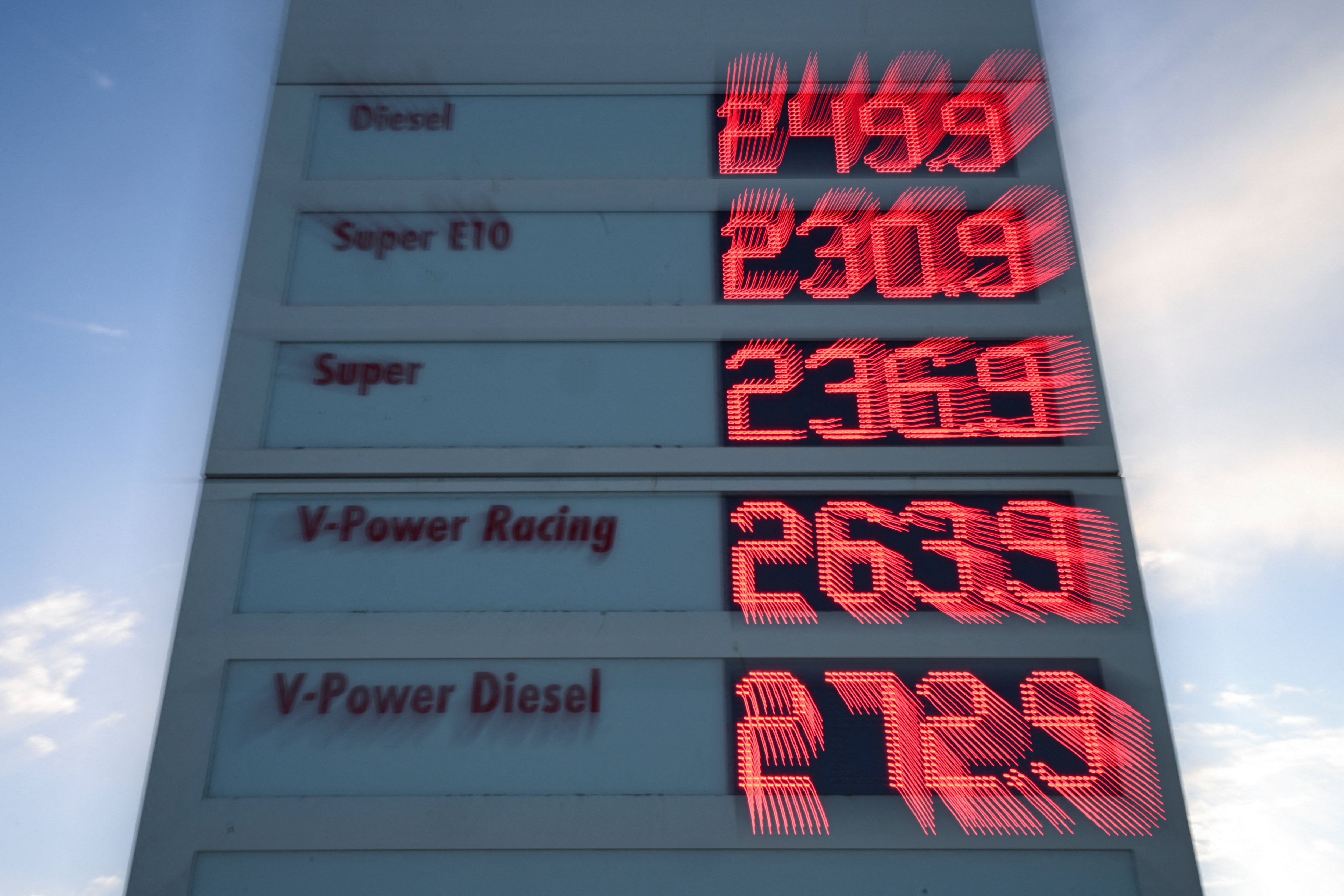
European leaders are implementing subsidies and tax cuts to alleviate the burden of skyrocketing energy costs resulting from the Gulf war, but critics contend these measures are insufficient for a comprehensive long-term strategy aimed at bolstering energy security. France extended targeted fuel subsidies, valued at €450 million, for low-income workers, nurses, farmers, and construction workers, bringing the total spent on fuel subsidies this year to €1.4 billion.
German Chancellor Friedrich Merz announced a reduction in petrol and diesel taxes by €0.17 per liter, effective from October 1, alongside talks to introduce price caps by the end of 2027. The UK reduced VAT on household electricity bills for six months, leading to calls for more radical long-term measures. Energy economists emphasize that while short-term subsidies provide crucial relief, they merely address symptoms rather than the root cause of vulnerability to events thousands of miles away.
Europe's energy security has been a focus in recent years following the loss of Russian pipelines, but ongoing conflicts, such as the US-Iran war and Houthi attacks, are straining energy systems. While some European nations have bolstered renewable energy infrastructure, gas supplies remain a challenge. Germany's gas reserves for winter are at their lowest in 15 years, despite recent investments in liquefied natural gas terminals.
The UK faces the highest and fastest-rising energy prices globally, with critics arguing that VAT cuts could inadvertently encourage higher energy consumption among higher-income households. The Institute for Fiscal Studies noted that while VAT discounts benefit lower-income households, most of the advantages accrue to those earning more.
Energy grid upgrades could cost £12 billion by 2030, but meeting targets may reduce costs thereafter. The UK's commitment to tackling climate change remains firm, despite pressures from rising energy costs, even if Prime Minister Andy Burnham considers new oil and gas drilling a climate threat rather than a solution.
Written by urgent.news from The National UAE's reporting — not their text. Machine-written — may contain errors; check the original before relying on it.
This story
This is one outlet's version. Read the fullest account.
- Europe turns to handouts to ease burden of energy cost crisis thenationalnews.com