Euro rallies against a weak British Pound as UK business activity disappoints
The Euro (EUR) accelerates its recovery against the British Pound (GBP) on Wednesday as mixed UK Purchasing Managers' Index (PMI) figures reveal that inflationary pressures have weighed heavily on business activity in September.
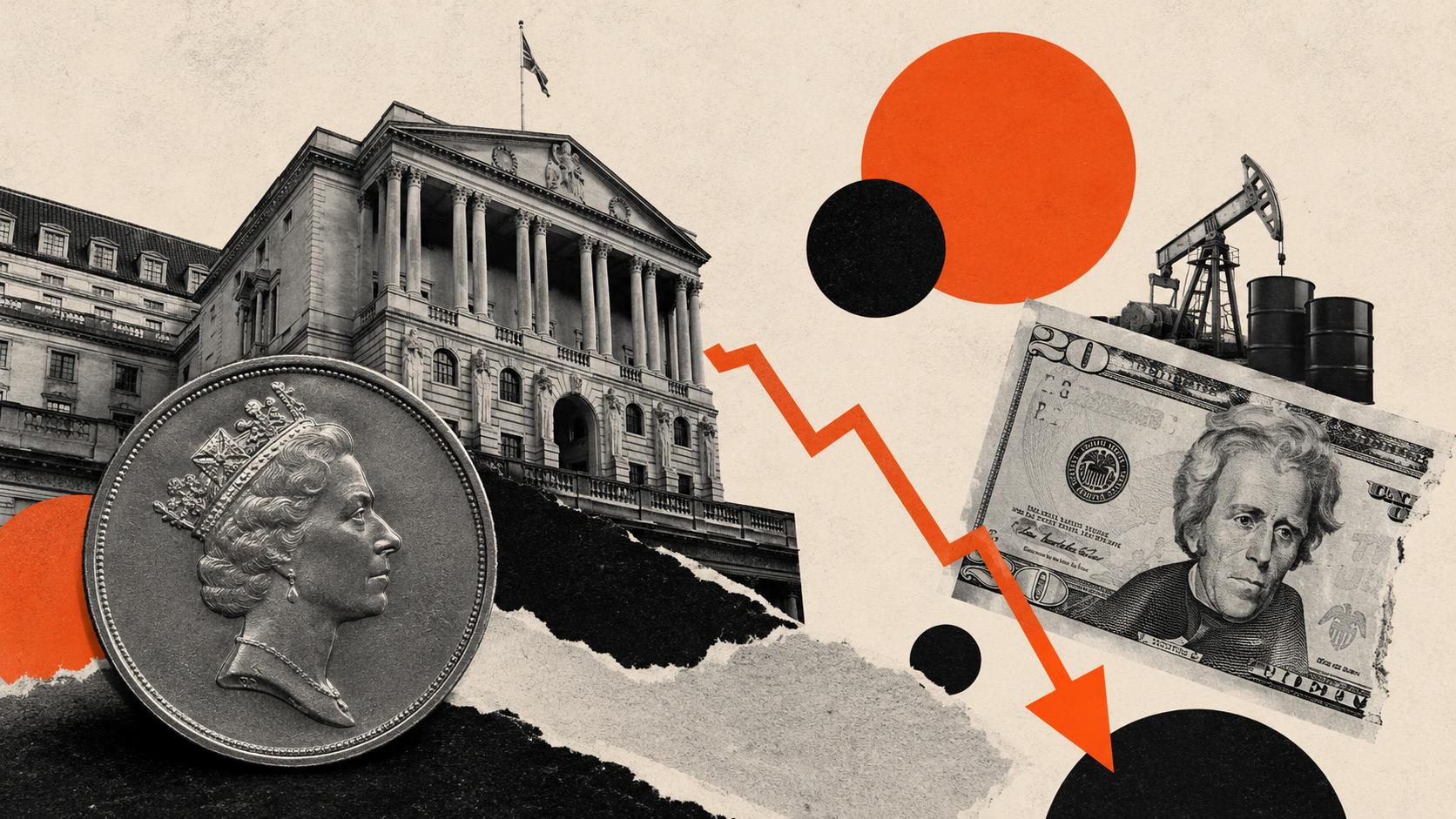
The Euro has strengthened against the British Pound amid concerns over mixed UK business activity in September. The EUR/GBP pair surged to a session high of 0.8590, nearing the top of its monthly range at 0.8600. UK Purchasing Managers Index (PMI) figures revealed that while manufacturing activity improved to 52.0 from 51.7 in August, services activity slowed down to 51.7, below the market consensus.
This decline in services activity led to the Composite Index falling to 51.7 in September, down from 52.5 in the previous month. The report underscored the acceleration of input price inflation, the highest since June, and highlighted complaints about rising energy, fuel, and raw material costs. S&P Global Market Intelligence Chief Business Economist Chris Williamson noted that September is experiencing a "worrying combination of disappointingly sluggish economic growth and intensifying inflationary pressures, with subdued business confidence and high costs continuing to discourage hiring."
Eurozone data, however, showed a more positive trend, with the Eurozone Services PMI improving to 53.0, its highest level in 10 months, and the Manufacturing PMI remaining steady at 52.7. Germany's services sector activity also improved to 52.9, while manufacturing activity slowed to 53.8. Euro strength is facing pressure from growing uncertainty in Germany following the CDU party's poor performance in state elections, raising questions about Chancellor Frederich Merz's leadership.
Additionally, France's public debt has hit its highest levels since 1978 and is expected to continue growing due to spiraling borrowing costs, which could trigger a credit crisis. The Pound Sterling, the oldest currency in the world, is the fourth most traded currency in foreign exchange, accounting for 12% of all transactions. Its value is primarily influenced by the Bank of England's monetary policy decisions aimed at maintaining price stability.
Economic indicators such as GDP, Manufacturing and Services PMIs, and employment impact the Pound's value. A strong economy attracts foreign investment and may lead to interest rate hikes, strengthening the Pound. Conversely, weak economic data can lead to a fall in the Pound. The Pound Sterling is the oldest currency in the world, and it is the fourth most traded currency in foreign exchange markets, accounting for 12% of all transactions.
Written by urgent.news from FXStreet's reporting — not their text. Machine-written — may contain errors; check the original before relying on it.