Employers are auto-enrolling workers in HSAs — just like 401(k)s
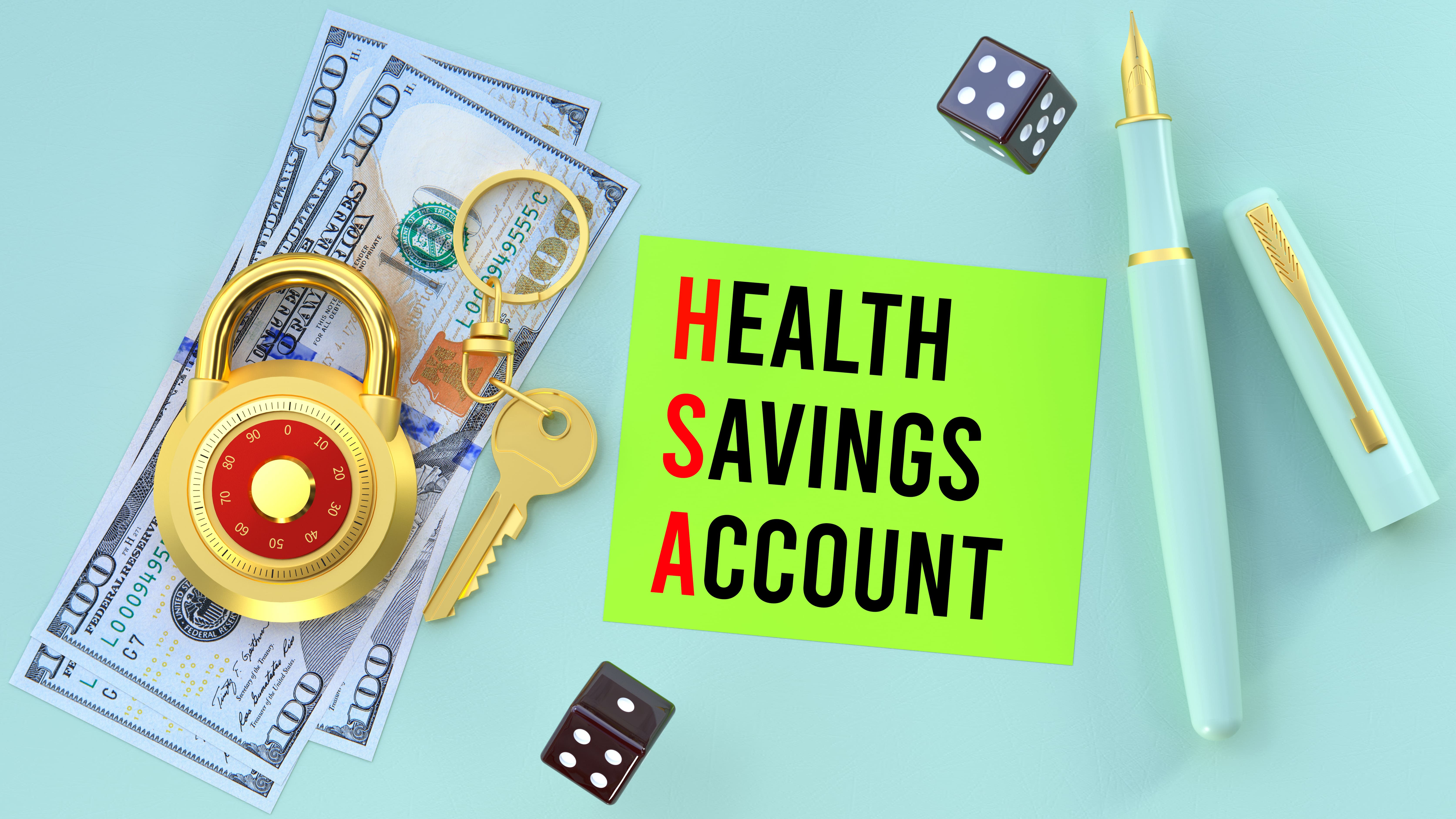
Employers are increasingly enrolling employees in health savings accounts (HSAs) as part of their 401(k) offerings, according to a recent report by the Plan Sponsor Council of America (PSCA). Last year, nearly half of employers automatically enrolled eligible workers into an HSA, similar to the 401(k) trend. The main driver behind this shift is the perceived advantage of providing employees with these accounts without requiring any effort from them.
Unlike 401(k) plans, which are funded primarily by employee contributions and employer matches, most HSA funds come directly from employers.
Approximately 6 out of 10 employers automatically enroll employees in their office 401(k) plans, according to Vanguard's "How America Saves 2026" report. With HSAs, most of the money is contributed by employers, making it easier for employees to open and use the account. About a third of employers contributing between $500 and $1,000 per worker, while 3 in 10 contribute $1,350 or more, and roughly a quarter set aside $500 or less.
HSAs offer a triple tax advantage: money is contributed tax-free, grows tax-free, and can be withdrawn tax-free for qualified healthcare expenses. To contribute to an HSA, an individual must be enrolled in a high-deductible health plan, which has lower monthly premiums but higher annual deductibles. For 2026, the minimum deductible is $1,700 for individuals and $3,400 for families.
The average HSA balance in 2026 is $5,336. While HSAs are most commonly used to cover immediate medical expenses, the number of accounts holding $10,000 or more has grown significantly in the past decade, from 599,000 in 2015 to 4.1 million in 2025. However, most account holders use the funds for current healthcare expenses rather than investing for retirement.
Written by urgent.news from Yahoo Finance's reporting — not their text. Machine-written — may contain errors; check the original before relying on it.