DWS-Immobilienchef Clemens Schäfer: Die Stimmung liegt „nahe den Tiefständen von 2022 und 2023“
DWS-Immobilienexperte Clemens Schäfer spricht über die Herausforderungen bei offenen Immobilienfonds, die Finanzierungsprobleme der Branche und den zweigeteilten Büromarkt.
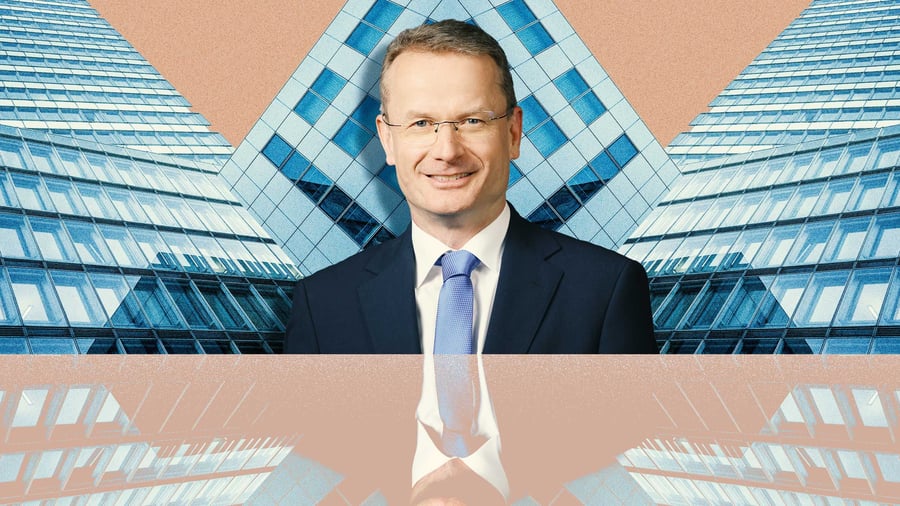
Clemens Schäfer, CEO of DWS-Immobilien, has warned of a potential slowdown in real estate sales due to recent fund withdrawals by investors. This warning comes as some funds are seeing a significant number of returns. Schäfer explained that these returns are a result of transparency in communication with investors and distributors, rather than an indication of poor market conditions.
He emphasized that the rental market is performing well, with a robust demand and limited new construction, leading to rising rents. The issue lies in the investment market, where perfect storm conditions have set in. The last positive development was the low Euro-Swap interest rate of just over 2.5% at the end of 2025 and into early 2026.
However, this was derailed by the escalation of the Iran conflict in February 2026. Inflation concerns and rising interest rates have begun to resurface, impacting long-term interest rates and financing costs for real estate investments. Schäfer noted that the market is not frozen, as transaction volumes have increased from 30 billion euros per quarter to around 50 billion euros currently.
While sales are still occurring, it is challenging to organize a competitive bidding process. Despite the current challenges, Schäfer believes the market is moving into a "new normal" without artificial support from central banks, and all market participants need to adjust to this new reality.
Written by urgent.news from Handelsblatt's reporting — not their text. Machine-written — may contain errors; check the original before relying on it.