Drohender Hunger: Bericht sieht Risiko einer Hungersnot in Teilen Somalias
Nach monatelanger Dürre sind Nahrungsmittel in Somalia knapp. Nun droht es noch schlimmer zu werden. Ein Bericht spricht vom Risiko einer Hungersnot in Zentralsomalia.
Somalia faces an imminent threat of famine in certain regions, according to new figures released by the Integrated Food Security Classification (IPC) initiative. As many as 5.1 million people were recorded in July to September in IPC Phase 3 or higher, indicating a crisis. This represents a 50 percent increase compared to the previous year.
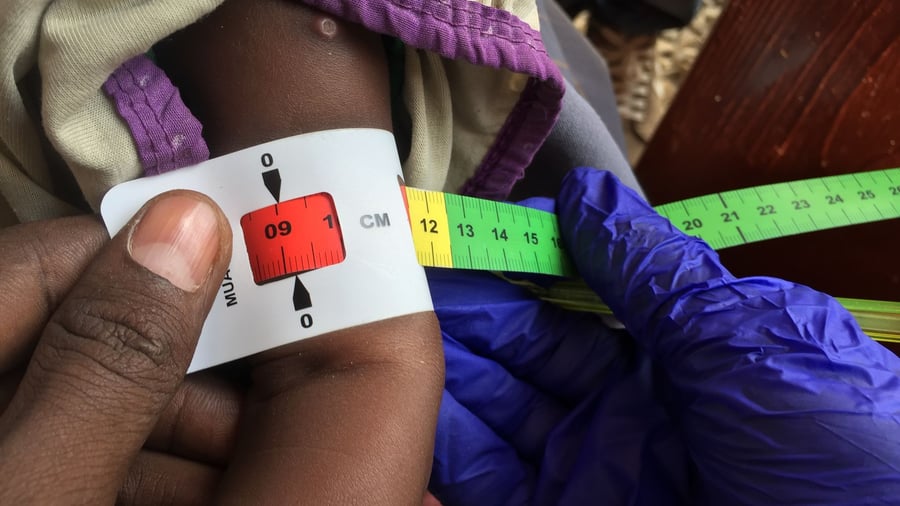
Nearly two million children are severely undernourished. It is expected that the population in IPC Phase 3 or higher will rise to 5.4 million between October and December, including nearly 26,000 internally displaced people in Baidoa, central Somalia, who are likely to face a catastrophic situation (IPC Phase 5). Somalia has a population of about 19 million.
The IPC five-tier alert system categorizes Somalia at stages three to four, indicating crisis or emergency, with about two million Somalis affected at stage four. Stage five, the highest, signifies a famine. More challenges, coupled with dwindling aid funds, exacerbate the situation in the Horn of Africa country. Drought, erratic rainfall, uncertainty, high food prices, and the impending impacts of El Niño are driving up the need for humanitarian assistance, while aid funds are decreasing.
Alex Fenwick, the country director for the World Food Programme in Somalia, stated that the numbers highlight the continued vulnerability of the Somali people, whose household food security stands "on the brink." El Niño-induced floods pose an "immediate danger to lives and livelihoods and threaten to push these communities to the brink of collapse," Fenwick warned.
The international community must act urgently to prevent a wider hunger crisis, he added. The impending floods would endanger an additional 2.7 million people, in addition to the 5.4 million already predicted to face severe food insecurity. Meteorologists predict that this year's El Niño will be particularly strong and could last until February next year.
Written by urgent.news from Handelsblatt's reporting — not their text. Machine-written — may contain errors; check the original before relying on it.