Dollar rally tells Trump Treasury that the ‘house’ is losing
The dollar's surge, propelled by strong US economic data, a hawkish Federal Reserve, and surging bond yields, is gathering momentum. An increasingly interventionist US Treasury will not welcome t...
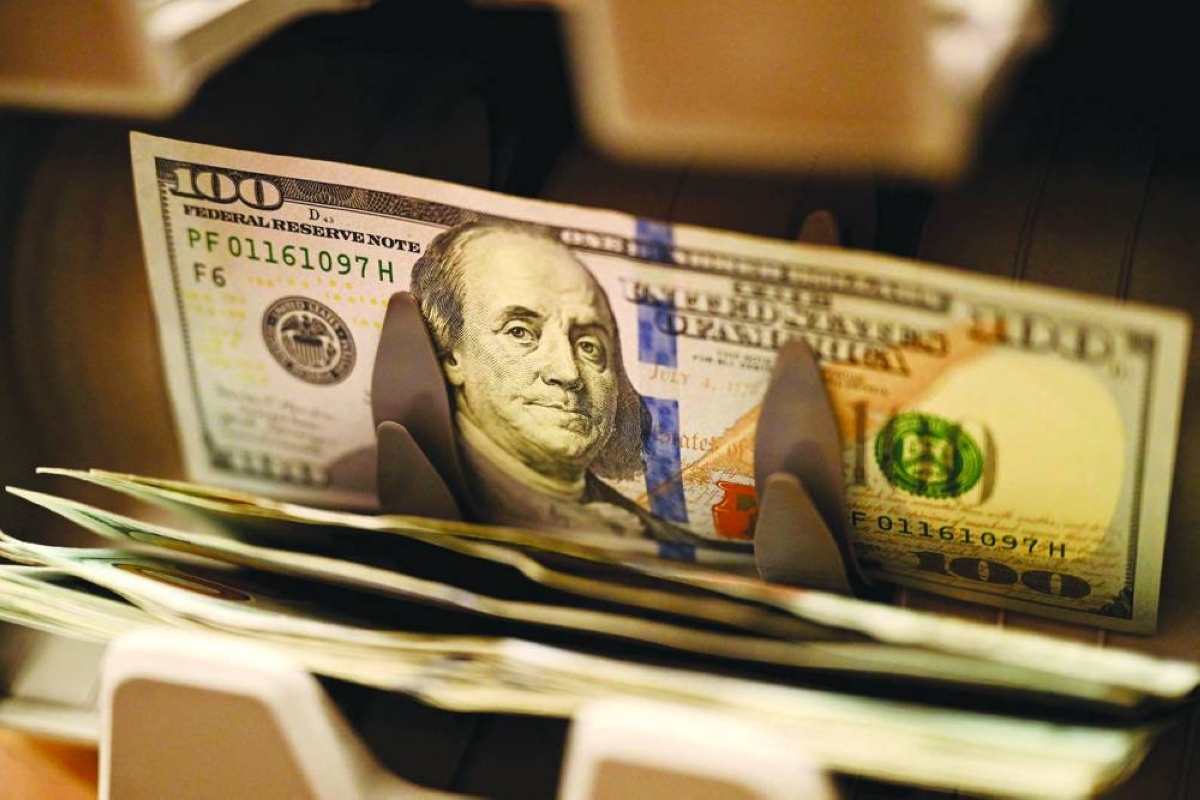
The US dollar has been on a strong surge recently, driven by robust economic data, a hawkish Federal Reserve, and soaring bond yields. This uptrend has been so significant that the dollar fell by 10% last year, marking its worst performance since 2017 and dropping to a four-year low by the end of January. However, it has since rebounded by 6%, indicating an accelerating growth in its value.
HSBC analysts have even stated that the dollar has been "freed from debasement," a term that contradicts the narrative of dollar debasement that emerged last year. This rally in the dollar is not favorable for the Trump administration's key economic goals, such as reviving American manufacturing and reducing the extensive trade deficit, which are closely tied to a more competitive exchange rate.
Moreover, the surge in bond yields, a primary catalyst for this dollar rally, is precisely the opposite of what the US Treasury is trying to achieve. This situation raises questions about the Treasury Secretary Scott Bessent's interventionist methods in the currency and bond markets. In late July, the Treasury collaborated with Japanese authorities to mitigate the dollar's strong performance against the yen.
Later, Bessent announced plans to increase the size of scheduled purchases of long-duration debt to reduce borrowing costs, which were seen as efforts to lower bond yields. However, despite these efforts, investors are now betting against Bessent, as seen in the yen's return to the intervention zone near 160 per dollar and the surge in long-dated Treasury yields to their highest levels in 22 years.
Ultimately, it seems that the US government's attempts to control its $30 trillion Treasury market and $10 trillion-a-day foreign exchange market may not be as effective as hoped.
Written by urgent.news from Gulf Times Business's reporting — not their text. Machine-written — may contain errors; check the original before relying on it.