Dollar at 2-month highs as markets weigh rate hikes, Iran diplomacy
The dollar rose to its strongest level in two months on Wednesday on prospects of interest rate hikes in the near term, although easing oil prices could alter the global inflation and monetary policy outlook.
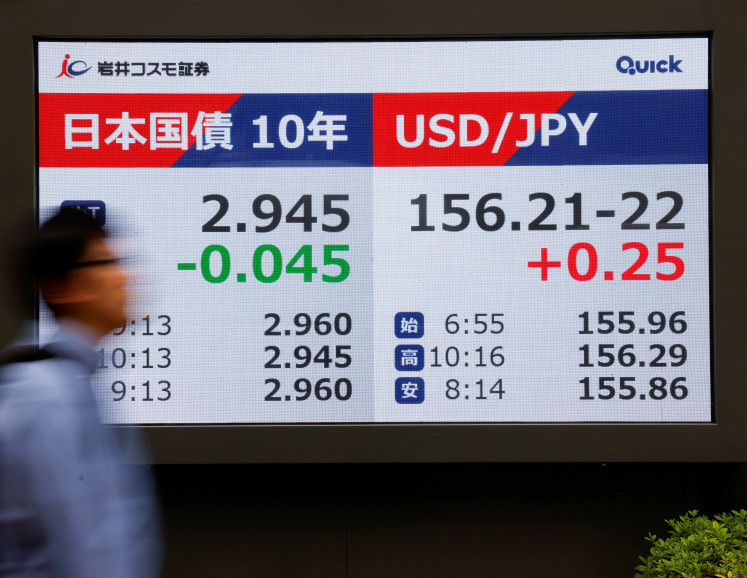
The US dollar reached its strongest level in two months on Wednesday, driven by expectations of upcoming interest rate hikes from major central banks. However, easing oil prices may impact the outlook for global inflation and monetary policy. The euro dipped to its weakest level since late July, trading at $1.14282, while the British pound was at $1.3316.
The dollar index, which compares the US currency to six peers, increased by 0.16 percent to 100.71. Recent interest rate hikes and hawkish statements from central banks have dominated currency markets as the US-Israeli conflict with Iran pushes oil prices up and fuels inflation concerns. Investors now anticipate further tightening from central banks, especially after the Federal Reserve flagged the possibility of more hikes if inflation remains high.
The dollar's support from interest rates appears robust, but futures already price in more tightening than the Fed's own projections, indicating that the dollar will rely on data to confirm this trend, according to Kieran Williams, head of Asia FX at Intouch Capital Markets. Oil prices have also been affected by renewed optimism surrounding potential diplomatic progress in the Iran conflict through UN General Assembly negotiations.
Brent crude futures fell to a two-week low of $98.46 per barrel, following reports that Iran may reopen the critical Strait of Hormuz waterway. Brent has surged 37 percent since the war began in February, but has declined for six consecutive sessions due to easing supply worries and rising confidence of a resolution. US President Donald Trump threatened to "annihilate" Iran if a deal is not reached, while suggesting an agreement could happen soon amid UN diplomatic efforts.
However, the future remains uncertain due to the unresolved nature of the conflict. Meanwhile, Michael Wan, a currency analyst at MUFG, noted that while oil prices have cooled somewhat from their peak levels, the path forward remains unclear due to the uncertainty surrounding a possible resolution of the conflict. Investors are also awaiting a crucial meeting between US President Donald Trump and Chinese President Xi Jinping, as the two leaders seek stability in a strained relationship marked by disagreements on various issues.
The Japanese yen was trading at 157.58 per US dollar, reflecting caution over the potential for the Bank of Japan's recent rate hike of 31-year highs to prove insufficiently hawkish. With two dissenting votes and no clear hawkish signal from the BOJ, there are doubts about the pace of policy tightening, particularly after the Fed raised rates last week and hinted at further hikes.
Japanese markets were closed for a holiday on Wednesday, presenting an opportunity for authorities to intervene if necessary. The BOJ's recent hike failed to narrow the yield gap since the Fed raised rates by the same amount two days prior, keeping the Yen at elevated levels.
Written by urgent.news from The Jakarta Post's reporting — not their text. Machine-written — may contain errors; check the original before relying on it.