Doctors urge women to remove fallopian tubes to reduce ovarian cancer risk
The procedure is quick and done on patients already undergoing surgery in the abdominal area and who don't want children or have finished having children.
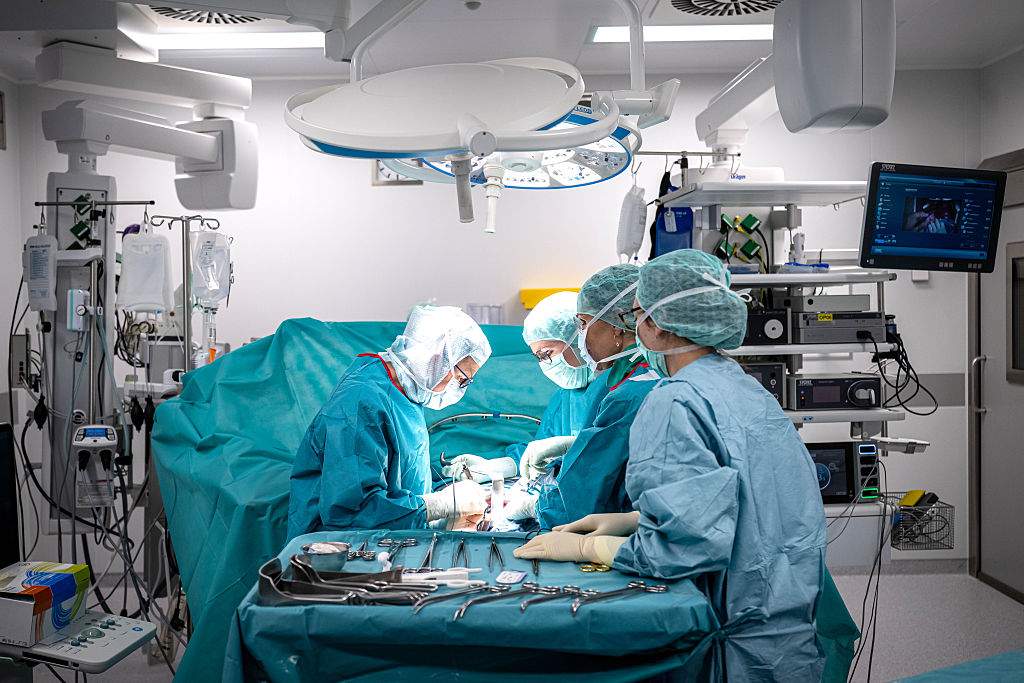
Doctors are recommending women explore the option of removing their fallopian tubes to potentially lower their risk of ovarian cancer by around 80 per cent, according to recent medical advice. Every year, approximately 3,000 women in Canada receive a diagnosis of ovarian cancer, with around 2,000 of them losing their lives to the disease, stated Dr. Elyse Lackie, an obstetrician and gynecologist.
The procedure in question, known as an opportunistic salpingectomy, involves the removal of the fallopian tubes, which is where most ovarian cancers are believed to originate. This relatively quick and low-cost surgery, typically performed during other abdominal surgeries, can significantly reduce the chances of developing ovarian cancer since symptoms often do not manifest until the cancer has progressed to a later stage, making it difficult to treat effectively.
Ovarian cancer is particularly dangerous due to its often asymptomatic nature until it has advanced, leading to low survival rates and limited treatment options. A recent study from the University of British Columbia highlighted that removing the fallopian tubes during routine surgery preserves ovarian function and minimizes side effects, emphasizing the potential life-saving impact of this surgical change.
This approach has been adopted by Dr. Gillian Hanley, an associate professor of obstetrics and gynecology at UBC, who noted the significant difference it can make in preventing the most lethal form of ovarian cancer. Shaheen Mawani, who underwent the procedure, found it a logical addition during her uterus removal surgery, emphasizing its practicality.
Dr. Peter Stotland, Chief of Surgery at North York General Hospital, highlighted that the surgery could save lives and prevent the need for intensive chemotherapy, radiation, and other surgical procedures. Dr. Lackie also called for increased government investment in this procedure to raise awareness and make it more accessible, as she believes it could save considerable costs for the healthcare system in the long term by preventing ovarian cancer before it occurs.
Ovarian cancer symptoms, which are typically vague, may include constipation, bloating, early satiety, and back pain, and are more common in post-menopausal women, although anyone can be at risk. About 20 per cent of ovarian cancers are linked to genetic mutations that also increase the risk of breast cancer. While ovarian cancer can respond well to chemotherapy and radiation, it often recurs, making prevention a crucial strategy.
Written by urgent.news from Global News's reporting — not their text. Machine-written — may contain errors; check the original before relying on it.
This story
This is one outlet's version. Read the fullest account.