Colombian Government Launches Emergency Plan to Address Acute Health Crisis
The crisis facing the health system in Colombia can be well depicted with just a few strokes: this year could close with 60,000 complaints related to barriers to accessing this vital service, there are delays in the delivery of medications, difficulties in accessing general and specialized medical appointments, persistent cases of denial of services, in […]
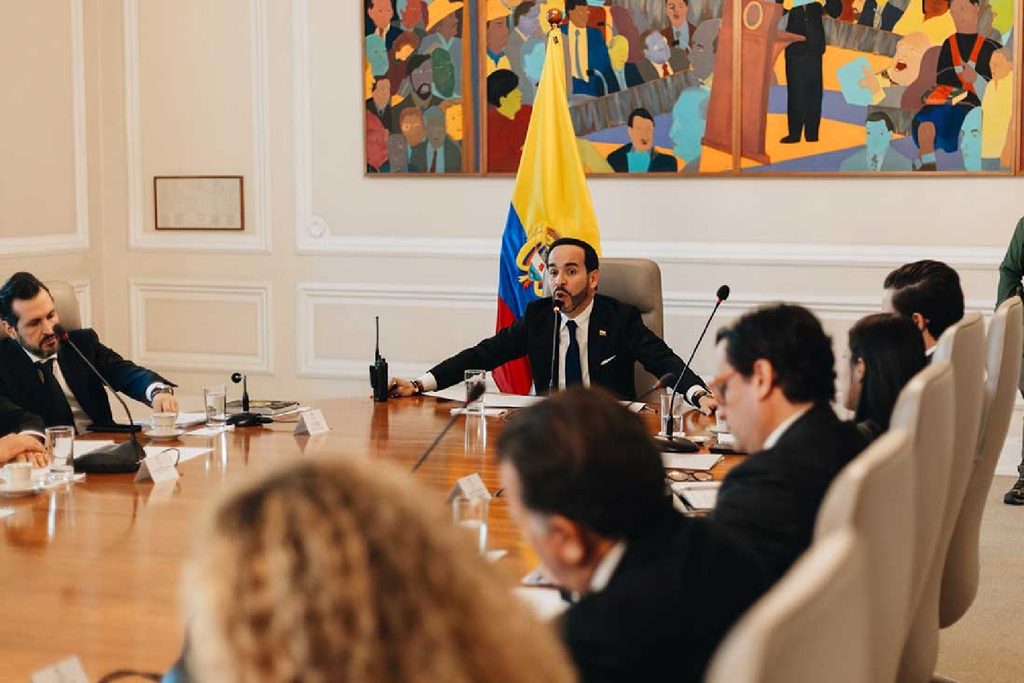
President Abelardo de la Espriella unveiled an emergency plan to tackle Colombia's dire health crisis. The nation faces a mounting number of complaints, with over 1.2 million registered between January and July 2026 – averaging 5,772 per day. Ninety-two percent of these complaints stem from obstacles in accessing health services and technologies.
In response, the president has set forth a plan to unlock care for more than a million patients nationwide who are awaiting medications, treatments, and specialized procedures. De la Espriella instructed the Minister of Health, Ana Maria Vesga, to launch the first phase of the Health Emergency Plan promptly. This phase will focus on identifying patients with pending medications or procedures and ensuring they receive the necessary care.
The plan comprises four key steps: identifying patients, determining their required medications or procedures, unlocking the resources necessary for their care, and monitoring the delivery of medications or completion of treatments. The president emphasized that this is not a blank check for the EPS (social security funds) but rather a temporary, extraordinary mechanism to clear pending care and medication issues.
A technical oversight committee, composed of the Ministry of Health, the National Health Superintendency, and the Health Resources Administrator (ADRE), will oversee the plan's implementation, ensuring EPS obligations are met and preventing double payment for the same care. The plan aims to provide national coverage for over 700,000 users with pending medications and more than 300,000 patients with pending procedures.
Written by urgent.news from Colombia One's reporting — not their text. Machine-written — may contain errors; check the original before relying on it.