China’s stealth fighters, critical minerals from lithium waste: 7 science highlights
We have put together stories from our coverage on science from the past two weeks to help you stay informed. If you would like to see more of our reporting, please consider subscribing. 1. J-50 design team reveals leapfrog tech for China’s next-gen stealth fighters China’s next-generation combat aircraft will be able to fly by themselves if a pilot loses consciousness, navigate without satellite…
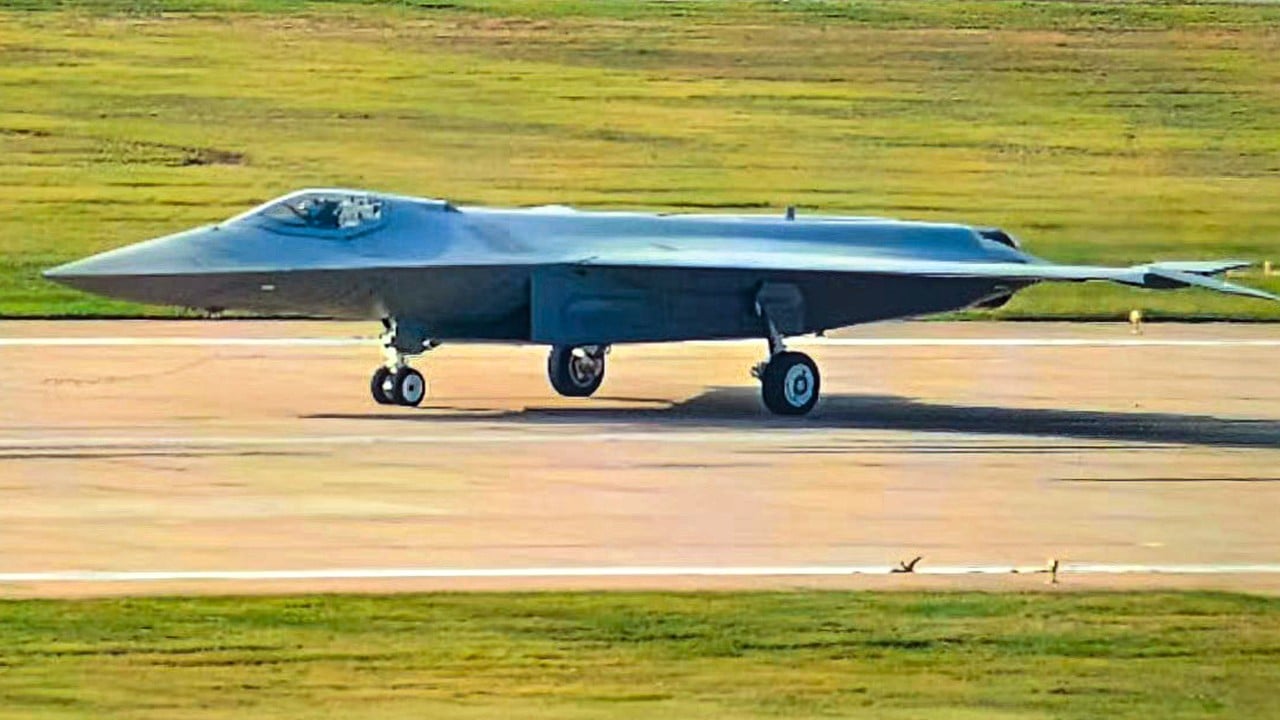
1. China's next-generation stealth fighters, known as J-50, boast advanced technology that allows them to operate autonomously if the pilot loses consciousness. These aircraft can navigate without satellite signals and even form self-reorganising large drone formations.
2. Scientists in China have developed an oil refining method that could potentially reduce energy consumption by 90%. This innovative process takes place at a molecular level and has the potential to generate a variety of higher value end-products, ranging from petrol to plastics.
3. A Chinese research team has achieved a fourfold increase in power output for hydrogen fuel cells. This significant advancement in fuel-cell technology could broaden their application beyond road vehicles to include space missions.
4. Recent trials between the US and China suggest that a single nanodrug injection may be able to permanently control "bad" cholesterol levels. This novel approach could replace daily cholesterol pills, potentially providing long-term relief for numerous individuals.
5. In a groundbreaking development, a Chinese plant has successfully extracted critical rare metals, rubidium and caesium, from lithium waste. A 500-tonne production line is now operational for the extraction of these metals, which are essential for advanced technologies such as aerospace and quantum computing.
6. Deng Yu, a 37-year-old Chinese mathematician who won the prestigious 2026 Fields Medal, has joked about potentially writing romance novels if artificial intelligence were to solve all his mathematical problems. This highlights the potential impact AI could have on various fields, including mathematics.
7. Researchers in China have developed a lightweight, battery-free device that aids stroke survivors in walking naturally. This innovative self-powered neural device could greatly improve mobility for those with difficulty walking, such as stroke survivors.
Written by urgent.news from South China Morning Post's reporting — not their text. Machine-written — may contain errors; check the original before relying on it.