Charred 2,000-Year-Old Wall Found Beneath Paris May Reveal the Location of Ancient Lutetia
Learn how a wall unearthed near Notre-Dame could reveal where Gallic Lutetia stood, how Paris began, and whether its fire matches Julius Caesar’s account.
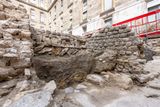
In 52 B.C.E., the Gallic tribe of Parisii set fire to their fortified town, Lutetia, to prevent it from falling into Roman hands. Lutetia would later evolve into the modern city of Paris. However, the exact location of Lutetia has been a mystery for centuries. Now, archaeologists may have discovered a 2,000-year-old wall beneath Paris that could provide crucial evidence.
The wall, found near Notre-Dame, measures 65 feet (20 meters) and shows signs of fire damage. Carbon dating of wooden elements within the wall places them between 200 and 10 B.C.E., overlapping with the time of Caesar's account. The architecture of the wall suggests it was constructed in the Gallic tradition, indicating it likely protected an oppidum, a fortified center of power and trade.
Researchers believe this discovery may finally pinpoint the location of ancient Lutetia and shed light on the city's early history.
Written by urgent.news from Discover Magazine's reporting — not their text. Machine-written — may contain errors; check the original before relying on it.