Cautious hope in long fight against Alzheimer’s
New drugs and clinical trials may increase chances of slowing the disease.
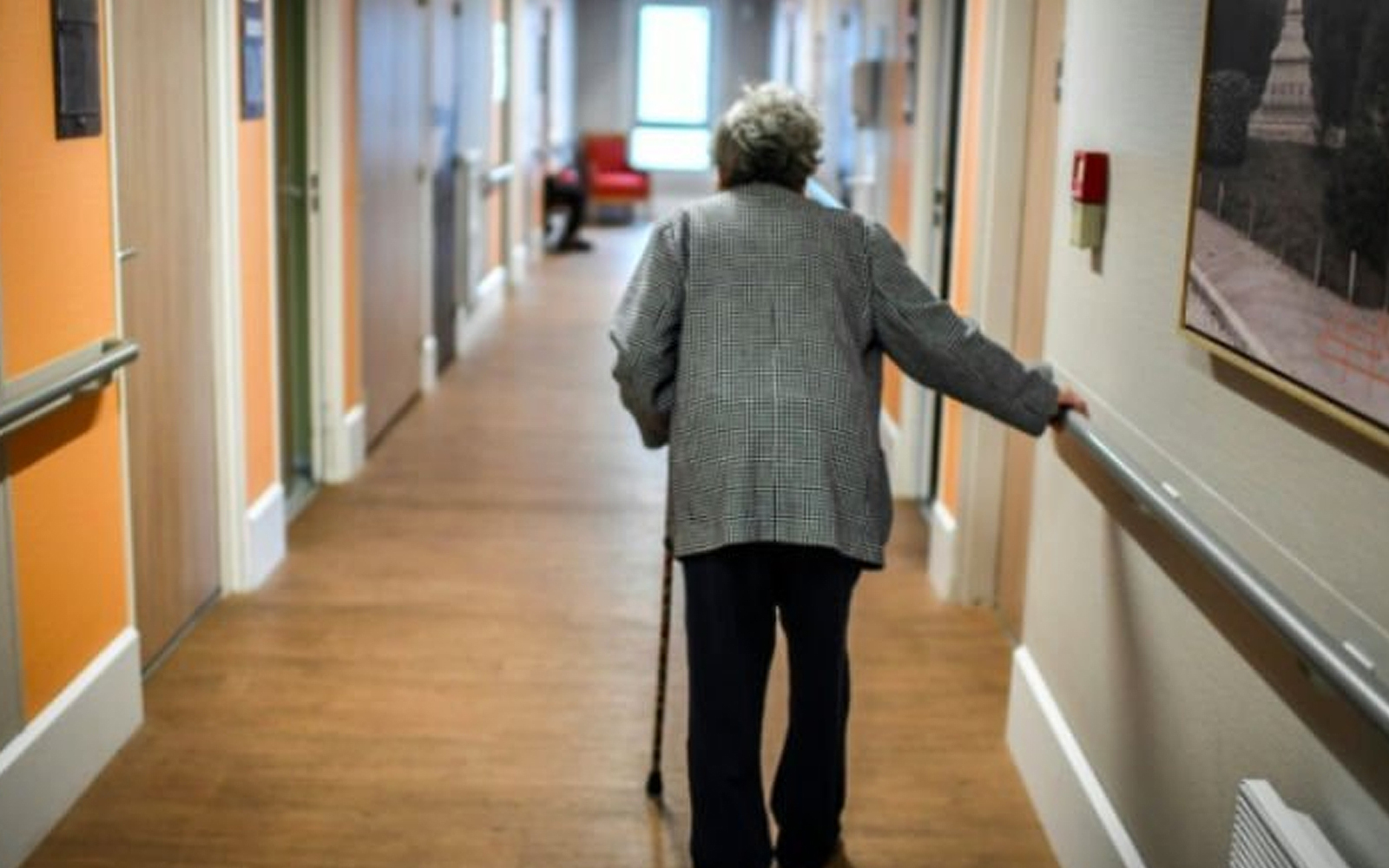
In a long and arduous battle against Alzheimer's disease, there is a glimmer of cautious optimism. British Prime Minister Andy Burnham's father, Roy Burnham, passed away recently at the age of 86 after living with the condition. The disease had progressed so severely that even Roy's son was unaware of his political status. This poignant example underscores the devastating impact Alzheimer's can have on individuals and their loved ones.
Alzheimer's gradually deteriorates the brain, causing memory loss, cognitive decline, and eventually, people may struggle to recognize familiar faces. Every three seconds, someone worldwide develops dementia, and two-thirds of these cases stem from Alzheimer's disease. Despite no cure existing, recent progress offers hope. Scientists believe two proteins, beta-amyloid and tau, play a critical role in the disease.
Beta-amyloid deposits and tau tangles impair the brain's normal functioning. Recent drugs like Lecanemab and Donanemab target these plaques, aiding the body's clearance. However, these treatments only prove effective in early stages and may cause side effects. Moving forward, researchers are focusing on tau, potentially offering better results when both amyloid and tau are targeted simultaneously.
The Alzheimer's Association International Conference in London recently highlighted tau-focused research. The scientific community is now exploring treatments that attack Alzheimer's from multiple angles, rather than relying on a single drug. However, a major obstacle remains: the need for over 55,000 participants in clinical trials.
To gather this many suitable volunteers, around 350,000 individuals may need to be approached. Clinical trials are crucial for determining which treatments work, which do not, and how Alzheimer's might be controlled in the future. In the interim, there are steps people can take to reduce dementia risk. Maintaining good hearing and eyesight, keeping the mind active and social connections strong, managing weight, blood pressure, cholesterol, and blood sugar, eating a healthy diet, getting enough sleep, avoiding smoking and limiting alcohol, protecting oneself from head injuries, and regular exercise are all beneficial.
For those over 60 capable of brisk walking, this simple activity is highly recommended. The 1-2-3-4-5 rule—walking once a day, burning about 200 calories, covering around 3km, walking for roughly 40 minutes, and maintaining a speed of about 5km/h—can be a useful guide. Such efforts, while not directly addressing Alzheimer's, contribute to overall health and well-being.
Ultimately, an effective Alzheimer's treatment would benefit not only patients but also their families, easing the emotional and physical strain of caring for someone with the disease. The trials in progress represent more than scientific endeavors; they embody hope for a future where the "long goodbye" to Alzheimer's may not be as lengthy.
Written by urgent.news from Free Malaysia Today's reporting — not their text. Machine-written — may contain errors; check the original before relying on it.
This story
This is one outlet's version. Read the fullest account.
- Cautious hope in long fight against Alzheimer’s freemalaysiatoday.com