Can Jakarta’s smart-city model help Nairobi tackle traffic, waste and bodaboda chaos?
Jakarta allows residents to photograph and report problems through a digital platform that routes complaints directly to the government agency responsible.
Jakarta, Indonesia, Sep 23 — Jakarta's smart-city model offers a potential model for Nairobi to tackle its own urban challenges of traffic, waste and chaotic bodaboda movement. The city's JAKI application allows residents to report problems through a photograph, which is then tracked as it moves through various stages of government response.
This system connects citizens directly to government action and makes responsibility visible. Nairobi faces similar issues, and the question isn't just whether the city needs another app, but whether technology can help officials process complaints faster, direct them to the right department, and show residents the results of their efforts.
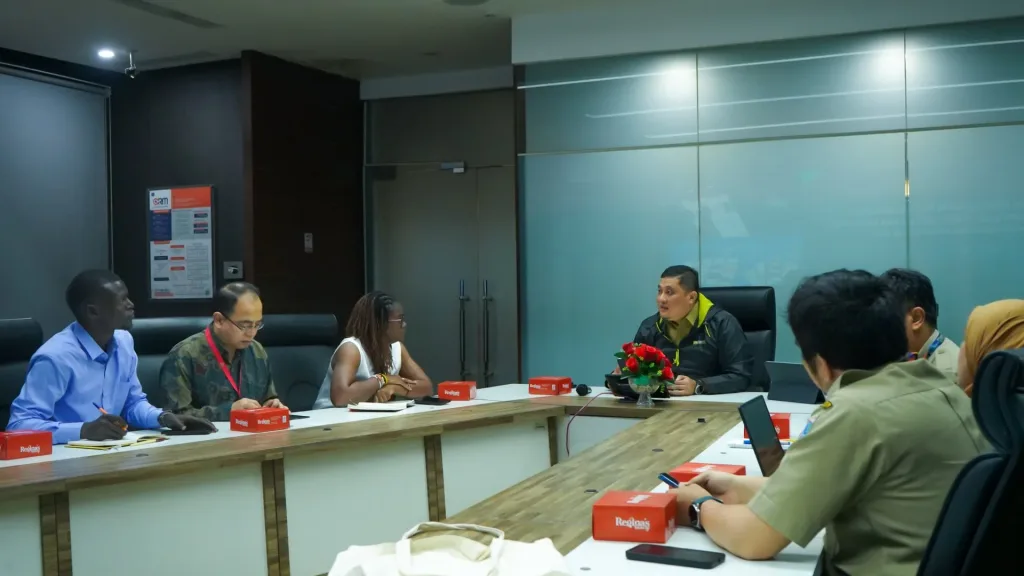
During a visit by Kenyan journalists to Jakarta, officials outlined how the city integrates citizen reports with government data, CCTV cameras, and sensors, increasingly using artificial intelligence. Jakarta officials explained that the JAKI system allows residents to submit complaints, categorize them, and track their progress, with officials uploading photographic evidence once the work is done.
Some problems can be resolved in as little as 14 hours. The city has also worked to reduce the silos between government departments and introduce artificial intelligence into the reporting and verification process, including analyzing images submitted as evidence that a reported problem has been addressed.
Jakarta's CCTV network has evolved from a security tool to a city management tool, with a target of about 30,000 cameras in the next two to three years. The cameras can analyze traffic, counting people and vehicles, and generate information that feeds into wider decisions. In Nairobi, the potential lesson isn't just about installing more cameras, but integrating the information they generate with agencies responsible for traffic management and public services.
Beyond digital platforms and surveillance, Jakarta has sought to make its public transport system operate as a connected network. The TransJakarta bus rapid transit system, the MRT, LRT, and traditional services like Kopaja have been integrated under the JakLingko system. Payment has also been unified, allowing commuters to move between different forms of transport without encountering disconnected services or separate payment systems.
However, waste management in Jakarta demonstrates the limits of technology. While the city has invested in a Refuse-Derived Fuel facility, there remains a challenge in collecting and managing waste effectively.
Written by urgent.news from Capital FM Kenya's reporting — not their text. Machine-written — may contain errors; check the original before relying on it.