Bundesregierung: Rückzieher bei Rente mit 63 rückt näher – Beitragszahlern drohen „erhebliche Folgen“
Nach den jüngsten Wahlergebnissen verdichten sich die Anzeichen, dass Union und SPD ihre geplante Rentenreform abschwächen. Es bleibt aber noch ein Weg, das „Gesamtkunstwerk“ zu retten.
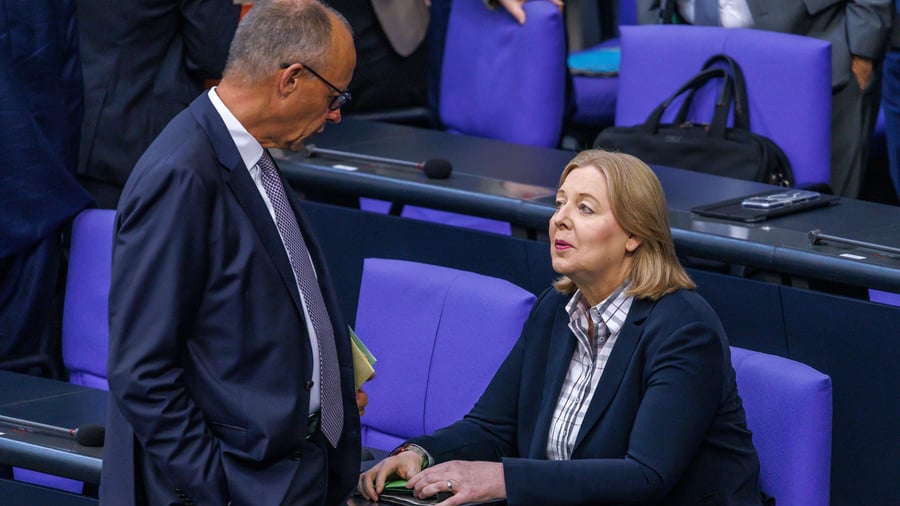
The German government is considering a U-turn on plans to abolish the "Rente mit 63" (pension with no pension contributions after 45 years), as tensions rise among contributors. This move comes following poor election results for the Union and SPD parties. Key figures from the ruling coalition, including Nina Warken (CDU), Bärbel Bas (SPD), Carsten Linnemann (CDU), Alexander Dobrindt (CSU), and Björn Böhning (SPD), have been invited to a routine meeting at the Chancellery on Tuesday evening.
A coalition committee is scheduled for October 7th to discuss the issue. Chancellor had announced a need to review specific details in the proposed legislation, particularly concerning people who have worked and contributed for 45 years. Initially, he had stated that all incentives for early retirement would be ended. However, the decision may face significant consequences financially, as around 30% of the insured community currently benefits from the pension system.
The reduction in contributions and additional earnings could save the country around 430 million Euros annually, according to the Rentenkommission's calculations. If the "Rente mit 63" is abandoned, the budget would see a sharp increase in retirement contributions, potentially reaching 20% by 2027/28, and additional capital contributions starting in 2028.
The CSU chief, Markus Söder, has warned against abandoning the "Minijobs" program, which is an integral part of the coalition's 'Gesamtkunstwerk'.
Written by urgent.news from Handelsblatt's reporting — not their text. Machine-written — may contain errors; check the original before relying on it.