Bone Loss After Menopause Can Raise Osteoporosis Risk, the "Silent Disease"
Learn more about the impact menopause has on bone strength and density as women age and what can be done to help keep strength up.
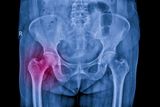
Menopause marks a significant change in a woman's life, often leading to reduced bone density and increased risk of osteoporosis. This condition, a silent disease, can result in weakened bones that are prone to fractures from even minor incidents. Approximately 20 percent of a woman's bone mass can be lost within the first five years post-menopause, making her more susceptible to breaks and fractures.
The Bone Health and Osteoporosis Foundation reports that one in two women over 50 will suffer a bone fracture due to osteoporosis, equivalent to the combined risk of uterine, ovarian, and breast cancer. While aging is inevitable, maintaining bone strength is achievable through various means.
Bone loss typically goes unnoticed as symptoms are subtle and often manifest only after a fracture. To detect bone loss early, a physician may recommend a bone density test, also known as a DXA scan, which is akin to an X-ray and is painless. Though the general recommendation is for a baseline test around the age of 65, younger women or those with a family history of osteoporosis may opt for earlier testing.
Certain lifestyle factors, such as a diet rich in calcium and vitamin D, regular exercise, and avoiding tobacco and excessive alcohol, play a crucial role in preventing osteoporosis. Even in one's 20s and 30s, a healthy lifestyle can set the foundation for strong bones throughout menopause and beyond. This information, while informative, does not substitute for medical advice and should be consulted with a healthcare provider.
Written by urgent.news from Discover Magazine's reporting — not their text. Machine-written — may contain errors; check the original before relying on it.