AT&T was first to get the iPhone, yet it won't support iPhone Handoff
Apple's new ability to have one phone number and switch between two iPhones is spreading to more carriers, but AT&T doesn't seem to care. You won't have to decide on just one iPhone with the new iPhone Handoff. It was actually Cingular who was the only carrier Steve Jobs could get to take the iPhone, and also surrender the control carriers had back around 2007. But AT&T bought Cingular before the…
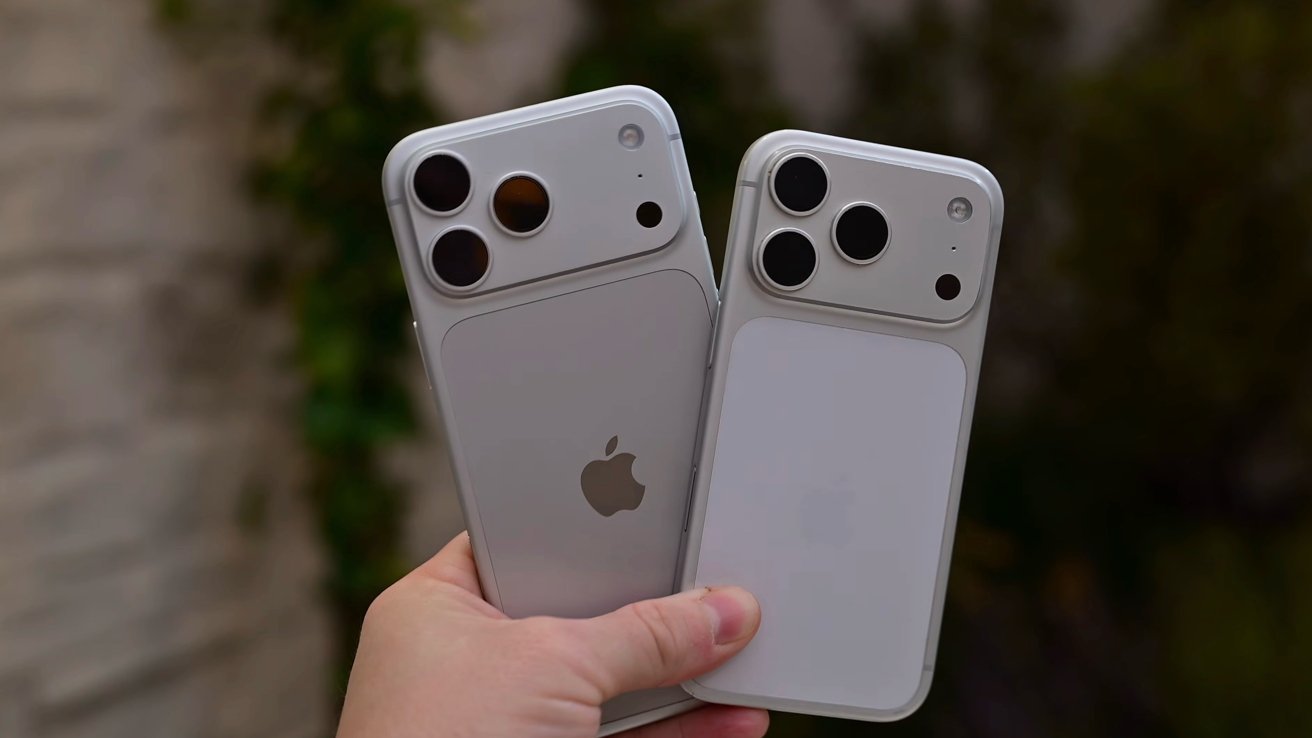
Apple unveiled a new iPhone Handoff feature in iOS 27 that enables users to seamlessly transfer between two iPhones while sharing the same phone number on each device. Initially, T-Mobile and Deutsche Telekom became the first carriers to introduce iPhone Handoff support, with Apple confirming that Verizon and EE will join in later this year. However, AT&T's stance on the feature remains unclear.
An AT&T spokesperson, when contacted by CNET, expressed the carrier's recognition of the potential in iPhone Handoff. Yet, they emphasized their ongoing focus on existing eSIM activation and transfer options, leaving the door open to future possibilities without a clear timeline. The spokesperson did not explicitly rule out the feature's future support, but provided no definite plans.
In the United States, T-Mobile currently charges $5 per month for iPhone Handoff, while Deutsche Telekom imposes a €6.95 monthly fee for the feature, applicable only on plans without multi-SIM functionality already. To further explore iPhone Handoff capabilities, users can consult Apple's official support document and our comprehensive guide.
Written by urgent.news from MacRumors's reporting — not their text. Machine-written — may contain errors; check the original before relying on it.
This story
This is one outlet's version. Read the fullest account.
- AT&T Responds to iOS 27's New iPhone Handoff Feature macrumors.com