AI Drone Agents for Autonomous Navigation
This article is a builder's tour of how AI and autonomy come together to make a drone navigate on its own, and the classical stack that actually flies today.
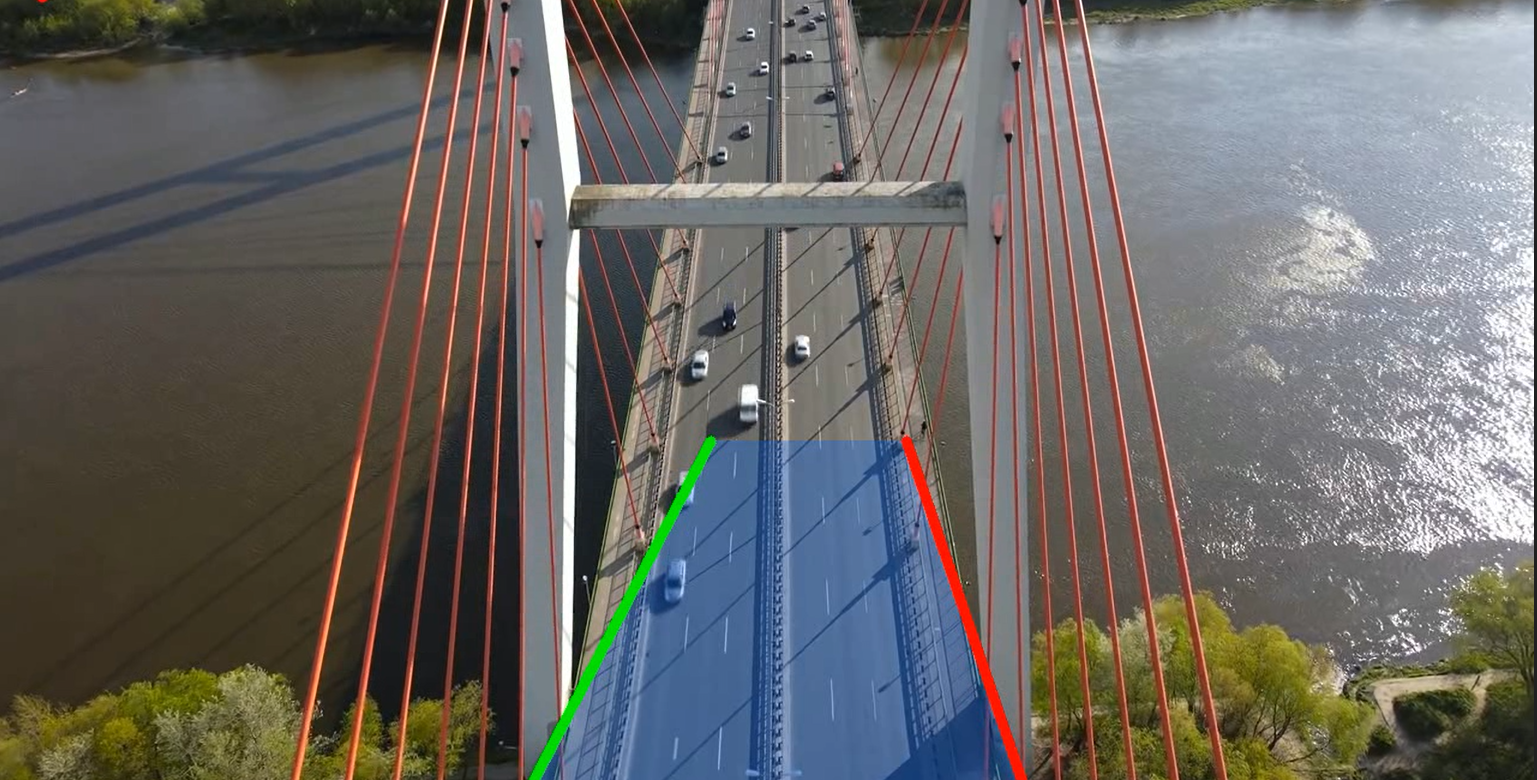
In the past five years, autonomous technology has progressed significantly, with major companies investing heavily in self-driving cars. While the narrative of robotaxis dominates, many of these technologies have also found their way into unmanned aerial vehicles (drones). Drones present a cleaner problem than their ground-based counterparts, offering greater freedom of movement in three dimensions.
Building an autonomous drone involves several key components: perception, processing, control, and communication layers. These layers work together to enable the drone to navigate independently.
The perception layer is responsible for environmental sensing and data acquisition using various sensors. This includes stereo camera pairs for depth perception, monocular cameras for different lighting conditions, inertial measurement units (IMUs) for motion data, and GPS with real-time kinematic (RTK) corrections for high-precision positioning.
On top of these sensors, computer-vision techniques such as simultaneous localization and mapping (SLAM) and visual-inertial odometry (VIO) are used to maintain the drone's position within the environment.
The processing layer handles the real-time computation for navigation decisions using onboard AI hardware. Deep learning algorithms play a crucial role in perception and understanding, while reinforcement learning enables the system to learn navigation behavior through interaction with its environment. This combination of techniques allows drones to adapt to their surroundings and make informed decisions during flight.
The control layer manages flight dynamics and mission execution through an established autopilot system like PX4 or ArduPilot. MAVLink serves as the communication protocol, facilitating the exchange of commands and telemetry between the navigation code and the flight controller.
Despite the advancements in drone navigation, AI agents remain a research focus rather than a mainstream solution. While AI drives many aspects of autonomous flight, it is still limited in certain scenarios, such as GPS-denied environments. However, as AI continues to evolve, the AI agent layer is expected to become more integrated and reliable in autonomous drone navigation.
Written by urgent.news from HackerNoon's reporting — not their text. Machine-written — may contain errors; check the original before relying on it.