2027 Budget : Construction, AI, infrastructure sectors to benefit – Moomoo
KUALA LUMPUR: 2027 Budget, to be tabled on Oct 9, is expected to benefit the construction and building materials sectors, based on current market consensus of RM85 billion to RM90 billion in development expenditure, according to Moomoo.
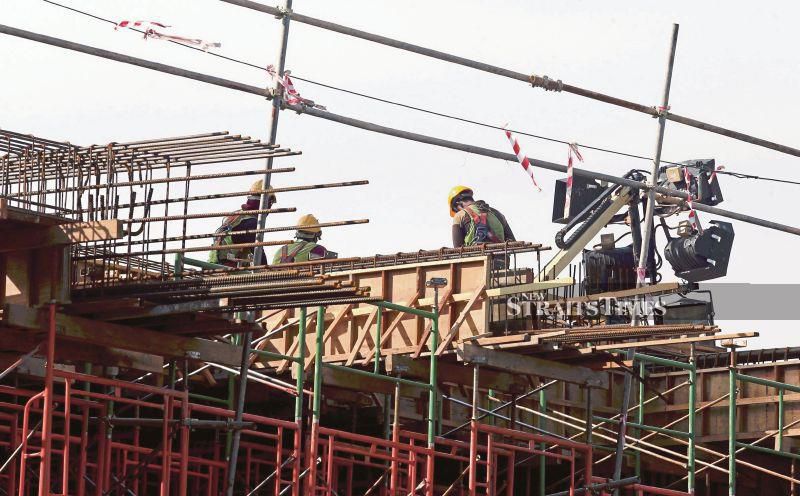
The 2027 Budget, scheduled to be presented on October 9, is anticipated to positively impact the construction and building materials sectors, according to Moomoo's market consensus. The development expenditure for these sectors is projected to range between RM85 billion and RM90 billion, with potential opportunities emerging from projects involving hospitals, schools, and transport infrastructure.
Beyond conventional construction materials, grid and water infrastructure, renewable energy, and energy storage could also benefit from increased spending.
Artificial intelligence-linked companies and semiconductors will continue to benefit from the growing data center industry and the National AI Action Plan. The government's BUDI95 program, which provides basic subsidies to over 16 million people, will continue to support value and affordable consumer stocks by maintaining baseline household purchasing power. However, steel and high-carbon energy producers may face challenges due to the proposed carbon tax, which could result in additional compliance costs.
Discretionary consumer stocks might experience headwinds if the Sales and Service Tax (SST) framework is expanded or adjusted, potentially impacting the spending power of the middle class. Tobacco and alcohol stocks may also face uncertainty over potential excise duty increases. For investors, Moomoo advises diversification across sectors, highlighting opportunities in Bursa-listed companies and global firms connected to the AI and semiconductor cycles.
The total Budget expenditure is estimated at RM438.9 billion, with approximately RM353.1 billion allocated to operating expenditure and RM85.8 billion to development expenditure, aligning with the 13th Malaysia Plan's average development expenditure of RM86 billion annually. Two key policy areas that could impact market sentiment and foreign investment are fuel subsidies and fiscal discipline, as well as taxation and government revenue.
The government's ability to balance rising global energy costs while maintaining fiscal discipline will be closely monitored, particularly following the restoration of the BUDI95 basic subsidy quota to 300 litres per month at RM1.99 per litre. The 2026 fuel subsidy bill is projected to reach RM40 billion, emphasizing the government's challenge in safeguarding households amid fiscal responsibility.
Taxation will primarily focus on optimizing the existing tax framework, including the Sales and Service Tax (SST) and capital gains tax on unlisted shares. Additionally, the increase in the mandatory e-Invoicing threshold from RM1 million to RM3 million in annual revenue from September 1 provides relief for SMEs. The proposed carbon tax, targeting the steel and energy sectors, remains an important area to monitor.
Written by urgent.news from New Straits Times's reporting — not their text. Machine-written — may contain errors; check the original before relying on it.