With new Macs, Apple aims to take on Microsoft, Nvidia in a rush to lower AI costs
Apple's upgraded Mac Minis and Mac Studios which can cost nearly $20,000 and handle AI tasks locally will go head-to-head against new desktop machines that Nvidia and PC makers are rolling out, expected to be the focus of a Microsoft Windows event in San Francisco next month.
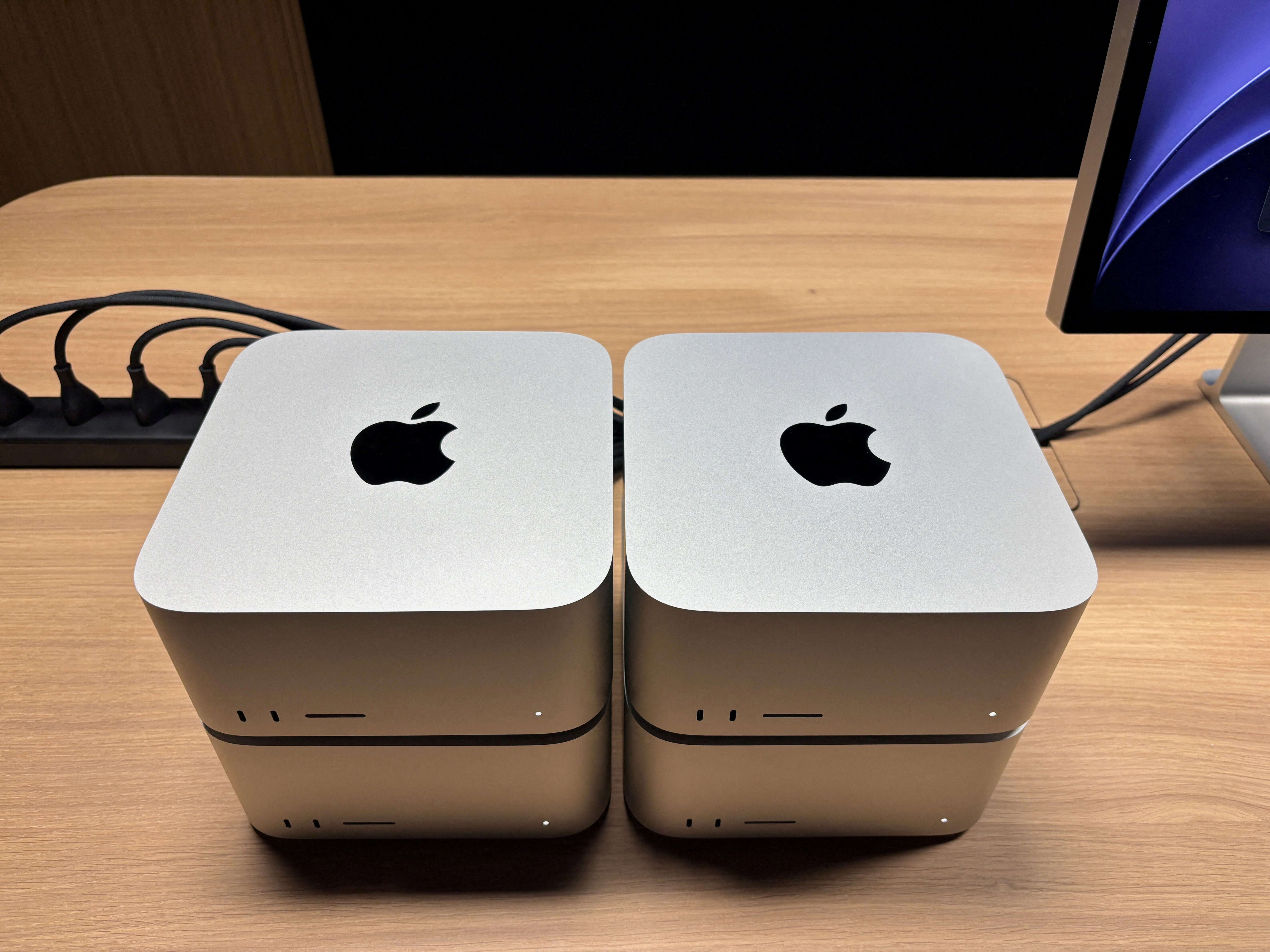
Apple unveiled its latest desktop computers on Tuesday, positioning them as a cost-effective alternative to renting data centers for artificial intelligence tasks. The new Mac Minis and Mac Studios, priced around $20,000, boast capabilities to perform AI workloads locally. These machines compete with upcoming desktop solutions from Nvidia and other PC manufacturers, set to be unveiled at a Microsoft Windows event in San Francisco next month.
Apple's strategy focuses on AI-intensive tasks, such as coding and complex business operations, avoiding the need to purchase "tokens" - the basic units of AI computing - from cloud giants like OpenAI or Anthropic. The company believes its expertise in optimizing performance in battery-powered devices like iPhones could enable it to challenge Microsoft's stronghold in the enterprise desktop market.
Currently, Apple holds only about 4.6% of the enterprise desktop market, compared to Microsoft's overwhelming 91.3% share, according to IDC analyst Linn Huang. Steve Jobs, Apple's co-founder, was known for his ambivalence towards enterprise computing, fearing users would not stick to a single product. However, Apple's recent shift towards power efficiency has put it in a favorable position for AI desktops.
A key advantage of Apple's approach lies in its unified memory architecture, which combines computing and memory components into a single design. This architecture, which Nvidia and other competitors are only now adopting, has enabled Macs to excel in AI tasks. Apple has gradually introduced AI-related features to its Mac Studios, such as specialized chip-to-chip networking called RDMA over Thunderbolt, over the past couple of years.
At the recent launch event, Apple demonstrated how multiple Mac Studios could collaborate to run an AI model with a trillion parameters - a measure of complexity - to identify and fix a graphics coding bug. Typically, such tasks would require a data center, but the Mac Studios can run on a single wall outlet. The company emphasizes that purchasing the machine provides ongoing cost savings, as there are no per-token charges once the hardware is in place.
Johny Srouji, Apple's chief hardware officer, expressed confidence in Apple's offering, stating that the company provides "absolutely great value" in terms of performance and cost.
Microsoft aims to capture the same market segment, with CEO Satya Nadella emphasizing the potential of "unmetered intelligence" for on-device AI. Microsoft is also planning to integrate many of its AI features into a "super app" for Windows. The tech giant has been working with chip partners to optimize AI workloads using its Windows ML tools, and is actively investing in features like RDMA, which could benefit from Apple's expertise.
Microsoft responded to the competition, stating that it has been collaborating with hardware partners to streamline AI work with its Windows ML tools, and that RDMA is an active area of investment. Nvidia declined to comment, but CEO Jensen Huang previously downplayed any intent to compete directly with Apple, focusing instead on expanding the capabilities of Windows PCs.
Written by urgent.news from Economic Times Tech's reporting — not their text. Machine-written — may contain errors; check the original before relying on it.
This story
This is one outlet's version. Read the fullest account.