Why Do We Chant 'Morya' After Ganpati Bappa? Story Behind The Lord Ganesha Beloved Devotee From 14th-Century
'Ganpati Bappa Morya,' the chant can be heard everywhere during Ganeshotsav, from the arrival of Bappa to the final visarjan procession. It echoes through homes, pandals and streets as devotees welcome Lord Ganesha, perform aarti and bid farewell to the deity. But have you ever wondered why we say ‘Morya’ after Ganpati Bappa? The word is not simply a part of the chant. It is associated with one…
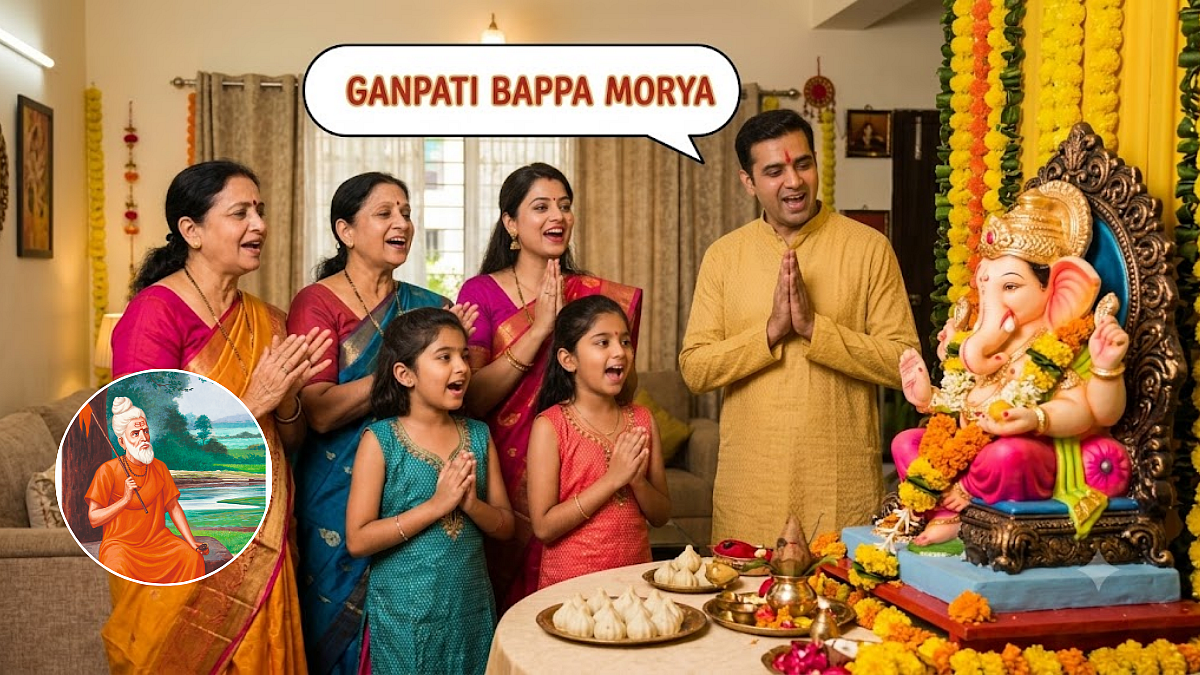
During the Ganeshotsav festival, the chant of "Ganpati Bappa Morya" resonates throughout Maharashtra. This phrase is not merely a coincidence; it holds deep significance, rooted in the devotion of a revered 14th-century saint named Sant Morya Gosavi. The chant comprises three words, each conveying a unique meaning that together express the profound love and reverence devotees hold for Lord Ganesha.
Ganpati, one of the many names for Lord Ganesha, signifies the leader of the ganas, or the attendants of Lord Shiva. This name underscores Ganesha's position as a central and powerful deity in Hindu mythology. Bappa, a Marathi term, translates to "father" or "revered elder." The term is used affectionately to refer to Lord Ganesha, highlighting the personal and familial bond that many devotees feel towards the god.
Morya, the final word in the chant, pays homage to Sant Morya Gosavi, a saint whose unwavering devotion to Lord Ganesha is legendary. Morya Gosavi is believed to have lived in Maharashtra around the 14th century. Despite the passage of centuries, his legacy as a devotee remains a source of inspiration for countless followers. His life and teachings exemplify the deep spiritual connection one can have with the divine, making him a beloved figure in the hearts of many.
Thus, every time "Morya" is chanted after "Ganpati Bappa," it is not just a rhythmic addition to the mantra. It is a heartfelt tribute to a saint whose devotion and love for Lord Ganesha have inspired generations to maintain this sacred chant as a symbol of reverence and spiritual connection.
Written by urgent.news from Free Press Journal's reporting — not their text. Machine-written — may contain errors; check the original before relying on it.