Why China’s frontier AI pioneers are expected to miss this week’s Xi-Trump summit
As President Xi Jinping prepares to travel to the United States to meet his American counterpart Donald Trump, attention is turning to the group of business leaders who could join him. The South China Morning Post previously reported that executives from electric vehicle maker BYD, smart manufacturing giant Xiaomi and battery maker Contemporary Amperex Technology Limited were likely to accompany…
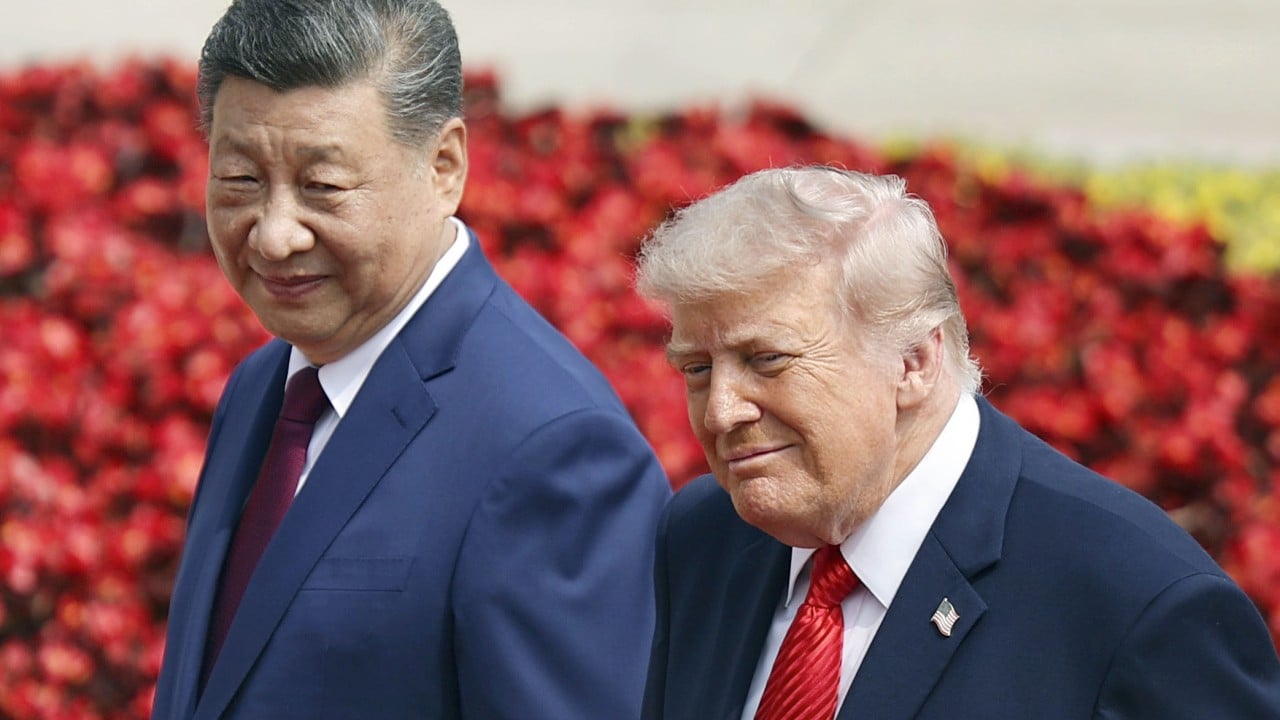
As President Xi Jinping prepares to travel to the United States for a summit with President Donald Trump, attention is turning to the delegation that will accompany him. The South China Morning Post reported that companies like BYD, Xiaomi, and Contemporary Amperex Technology Limited are likely to join the Chinese delegation. However, there has been some controversy surrounding the absence of leaders from China's frontier AI companies, such as DeepSeek and Moonshot AI.
This has raised eyebrows and led to speculation about the reasons behind their exclusion. Experts suggest that the decision is driven by concerns for protecting leading AI talent amid ongoing geopolitical tensions and the varying levels of urgency each country places on AI discussions. Chen Zhiwu, a finance professor at the University of Hong Kong, explained that including AI leaders at this stage could put them in a vulnerable position.
Another analyst added that traveling abroad could expose them to unforeseen risks, making their absence a form of protection. On the other hand, US AI leaders are expected to be present, with OpenAI's Greg Brockman and Sam Altman attending the White House state dinner for Xi. Reuters reported that DeepSeek's founder, Liang Wenfeng, would brief the UN Security Council on AI safety risks this week, though he is not planning to attend.
Analysts also point to differences in the domestic environments of the two nations as a factor. Washington faces domestic opposition and political pressure, while China may not want to bring its AI team due to this pressure. The delegations could also reflect the priorities agreed upon by Beijing and Washington. Alfredo Montufar-Helu, a China-based consultant, noted that high-level delegations are subject to bilateral negotiations and mutual agreement.
Beijing tends to prioritize companies whose business aligns with bilateral interests or those directly affected by restrictions. This contrasts with the US delegation from the Trump visit in May, which included Nvidia's Jensen Huang, Tesla's Elon Musk, Apple's Tim Cook, BlackRock's Larry Fink, and Boeing's Kelly Ortberg.
Written by urgent.news from South China Morning Post's reporting — not their text. Machine-written — may contain errors; check the original before relying on it.