Where the enterprise AI advantage comes from
The strongest AI agent we recently tested completed 61.7% of 107 real-world commerce tasks. That number captures where agentic AI stands today. A system that can complete six out of every 10 complicated business tasks can already take meaningful work off someone’s plate. But for businesses, model choice is only part of the decision. The larger task is matching each workflow with a system that can…

Recent tests revealed that the most advanced AI agent successfully completed 61.7% of 107 real-world business tasks. This figure represents the current state of agentic AI, which can take on meaningful work for businesses. However, the key consideration is selecting the appropriate system for each workflow, ensuring reliability and cost-effectiveness.
In the early stages of AI adoption, progress was primarily measured by model intelligence, with larger, more capable models generally yielding better results. As AI becomes integrated into daily operations, businesses must also consider efficiency, as different tasks require varying levels of reasoning and computing power. Sometimes, using the maximum capability can increase costs without improving the outcome.
This concept of precision delegation highlights the importance of matching the assigned capability to the task's requirements. Different tasks may benefit from smaller, lightweight models, while more complex work demands greater reasoning capacity. The ideal enterprise AI solution should perform the right job for each workflow, balancing quality, speed, price, and data handling requirements.
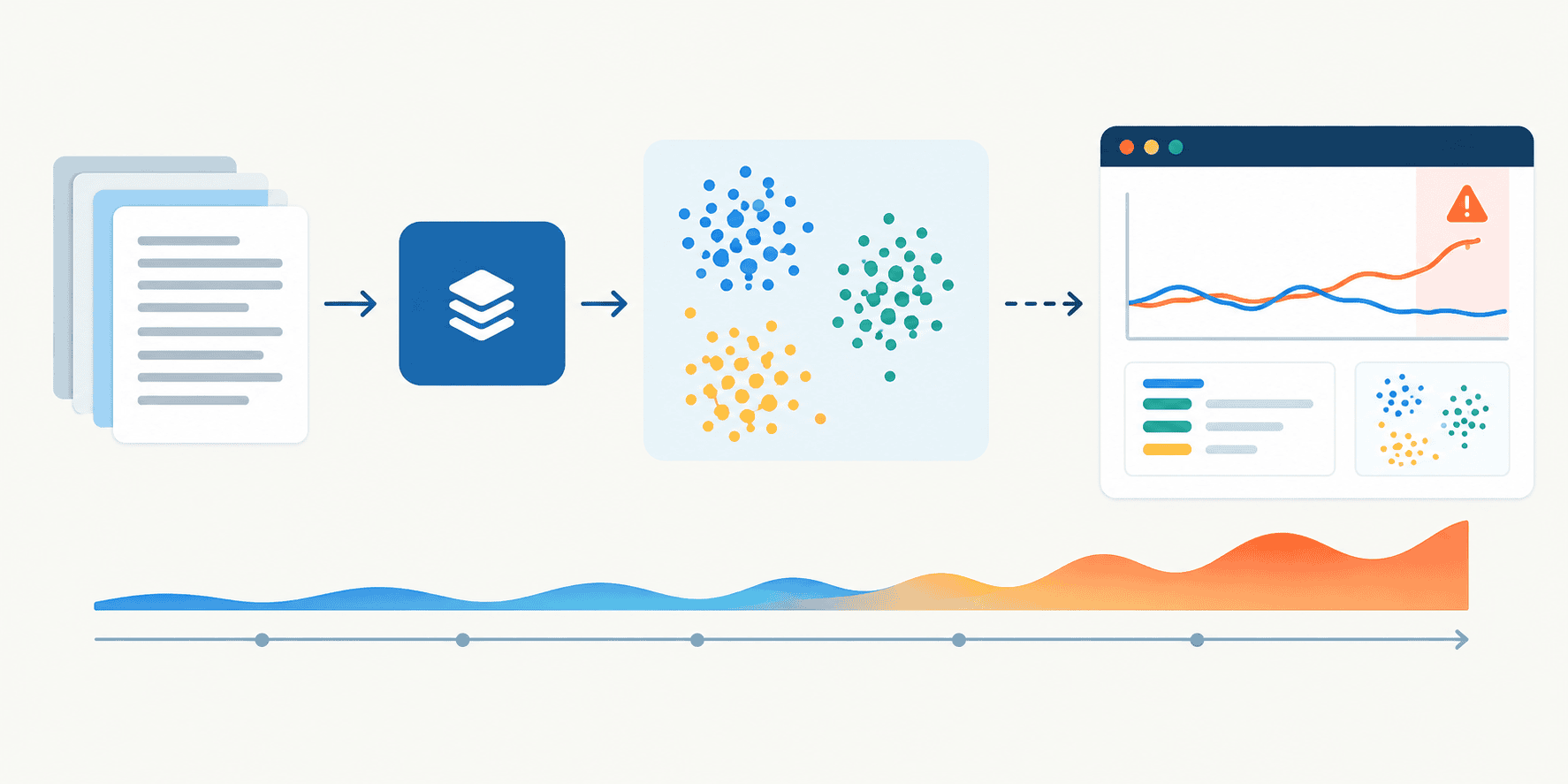
Alibaba.com demonstrated this by creating CommerceAgentBench, an open-source benchmark based on e-commerce operations. The benchmark identified 107 end-to-end commercial tasks and evaluated the performance of various models in specific tasks. For instance, the model excelling at requests for quotation and market research underperformed in claims settlement and listing compliance.
This underscores the need for workflow-level decision-making when selecting the right model for each task. Accio, Alibaba's AI-powered business agent, continuously evaluates models across different commercial work types. By breaking down complex requests into individual steps and routing them based on difficulty and requirements, Accio optimizes model selection, resulting in lower token costs compared to other models like Codex and Claude Code.
As the number of high-quality models increases, the ability to continuously evaluate their performance and assign work accordingly will become a valuable enterprise capability. Efficiency also entails minimizing unnecessary work. Poorly designed systems may misread information or repeat computations, leading to inefficiencies. By reusing previous computations and compressing context when full history is unnecessary, specialized agents can coordinate work, ensuring each component processes only the information it needs.
Lower model prices and improved orchestration can further reduce the amount of computing required to complete tasks, enabling reliable business outcomes with only the necessary resources. For small businesses, these efficiencies are particularly significant. A founder may personally handle various aspects of the business, such as research, sourcing, merchandising, and operations.
By leveraging AI, entrepreneurs gain access to capabilities that previously required more time, expertise, or specialized resources. However, AI's value is most pronounced when the tools are reliable and affordable enough for repeated use. Precise delegation also involves assigning appropriate authority to AI agents. While routine tasks may require minimal intervention, higher-risk decisions necessitate clear rules and oversight.
As AI agents become more integrated with operational systems, such as payments, inventory, and logistics, robust controls and performance evidence are crucial. The next phase of enterprise AI will require companies to make informed decisions about model selection, workflow delegation, and authority assignment based on demonstrated performance, cost, and risk levels.
Written by urgent.news from Fast Company's reporting — not their text. Machine-written — may contain errors; check the original before relying on it.