'We only expect to encounter that once every 130 years': A huge new crater on the moon could mean a giant leap for lunar science, veteran researcher says
Scientists using NASA's Lunar Reconnaissance Orbiter (LRO) have discovered McGetchin crater, a giant new impact structure measuring more than 700 feet wide. LRO investigator Julie Stopar explains what the discovery could mean for humanity's future on the moon.
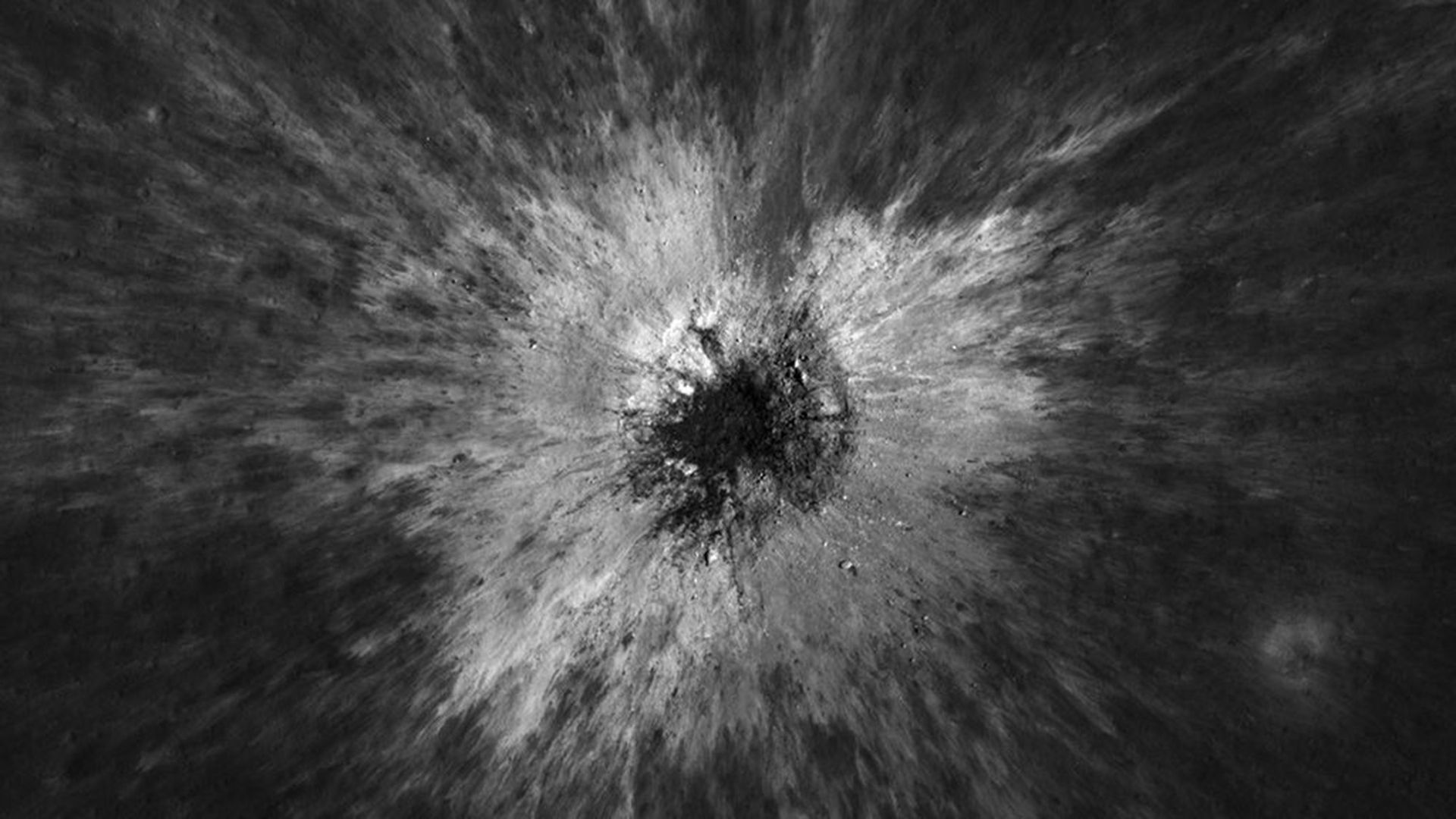
Scientists have stumbled upon an astonishing new crater on the moon that could potentially mark a significant milestone in lunar research. Since its launch in 2009, NASA's Lunar Reconnaissance Orbiter (LRO) has captured over 3 million images of the lunar surface. This week, researchers studying a few hundred of these photos unveiled a once-in-a-century discovery: the largest, youngest impact crater ever observed in the solar system.
The crater, named McGetchin after the late geologist and lunar scientist Tom McGetchin, spans approximately 728 feet (222 meters) in diameter and 141 feet (43 meters) in depth. Comparable to a hole spanning two American football fields and deep enough to accommodate a 14-story building, the crater emerged seemingly out of nowhere in images from spring 2024.
Julie Stopar, a senior scientist at the Lunar and Planetary Institute and deputy principal investigator on the LRO's camera team, shared her insights with Live Science. She explained that given the prevailing notion that space contains myriad small objects compared to large ones, encounters with such sizable craters are anticipated to occur approximately once every 130 years.
The McGetchin crater stands out as the largest among the new craters discovered so far. While the South Pole-Aitken basin remains the most colossal crater on the moon, McGetchin represents the most recent such formation.
Appearing suddenly in LRO images from spring 2024, the crater has captured the attention of skywatchers who believe they might have glimpsed its bright, white debris ring from Earth. The team detailed their findings in two papers published on September 16 in the journal Science Advances. In an interview with Live Science, Stopar shed light on what this fresh crater can reveal about lunar geology, impact rates, and potential risks to future human visitors to the moon.
Written by urgent.news from Live Science's reporting — not their text. Machine-written — may contain errors; check the original before relying on it.