'We just don't see that there's enough technical people in the pipeline': US chip fabs are facing a huge worker shortfall — despite promise of huge paychecks, industry says it still needs over 150,000 workers
America is struggling to fill its semiconductor manufacturing facilities, but it's offering to pay workers six-figure salaries.
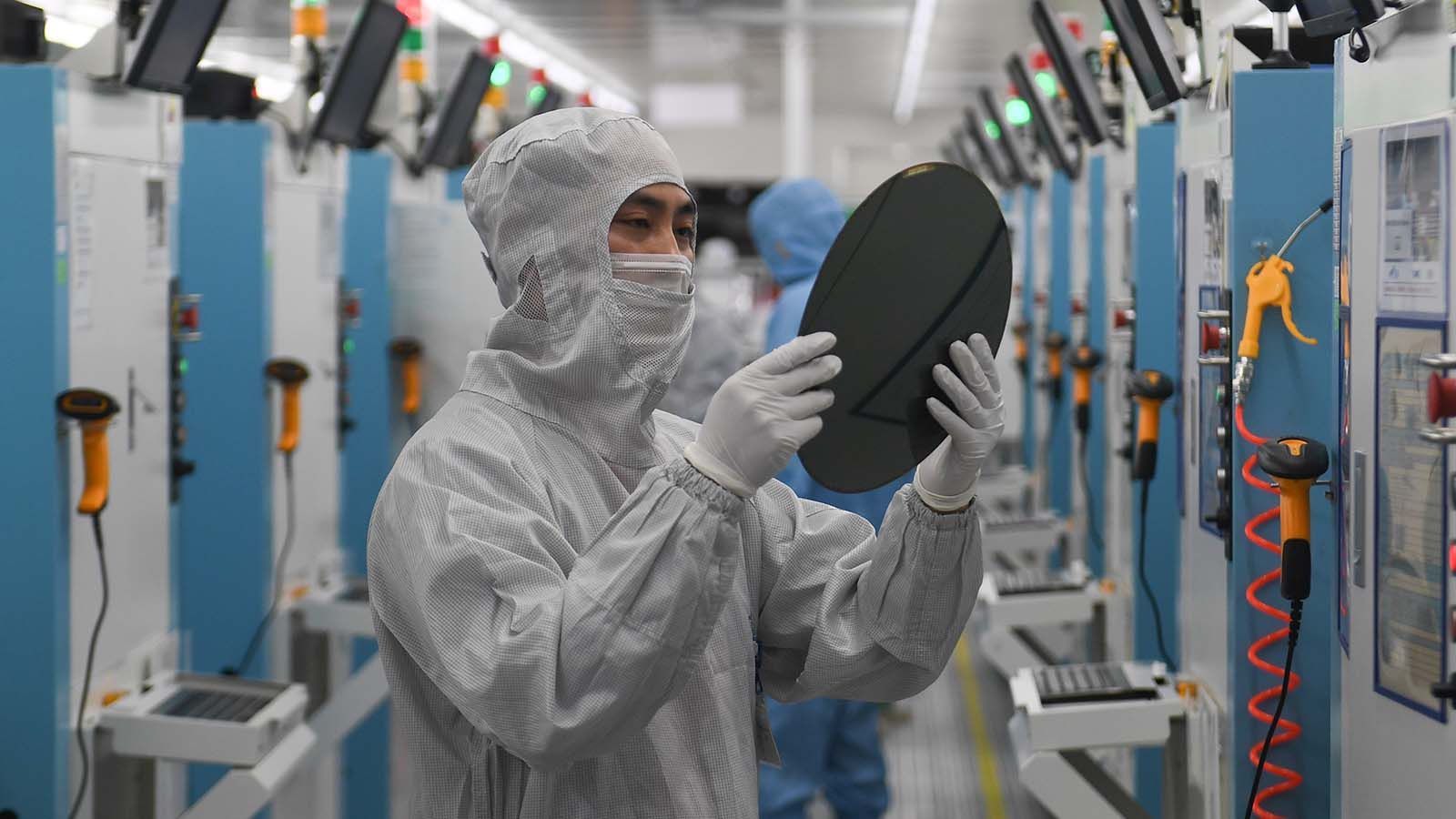
The US semiconductor industry is facing a significant shortage of workers, with estimates suggesting a potential shortage of up to 157,000 professionals by 2030. This shortage encompasses various roles, from semiconductor engineers to supply chain workers and maintenance staff. The report from the SEMI Foundation reveals that only 3% of US engineering graduates enter the semiconductor industry annually, with 73% of semiconductor companies reporting difficulties recruiting engineers.
The ongoing AI boom and the U.S. administration's focus on domestic manufacturing and AI processing are exacerbating the shortage. Semiconductor sales growth during the first six months of 2026 reached its highest year-on-year rate since the mid-1980s, with revenue surpassing the trillion-dollar mark. Despite this, numerous high-profile companies, including Samsung, Micron, SK Hynix, TSMC, and Intel, are expanding their US footprints.
Samsung plans to create around 3,500 new jobs at its Taylor, Texas site, but the success of filling these roles due to recruitment struggles remains uncertain.
Interestingly, despite the attractive salaries offered, typically ranging from $127,000 to $187,000, with some senior roles exceeding $238,000, US workers are not flocking to semiconductor manufacturing jobs. The report suggests that cross-sector competition, where these roles are also suitable for software, AI, and aerospace industries, might be making semiconductor jobs more appealing elsewhere.
Additionally, hyperscalers are ready to offer local training opportunities and college funding as part of their investments, but the effects of such initiatives are unlikely to be seen for several years.
Written by urgent.news from TechRadar's reporting — not their text. Machine-written — may contain errors; check the original before relying on it.