Ukraine’s defense tech partnerships surge, but many deals stall, new report finds
International joint ventures in Ukraine's defense tech sector are on the rise, with at least 180 partnerships in manufacturing, R&D, and maintenance confirmed by a new report from the Kyiv School of Economics Institute. But export restrictions and fragmented procedures are slowing some deals. A third of those partnerships were signed in the past 12 months as Ukraine's defense tech sector has…
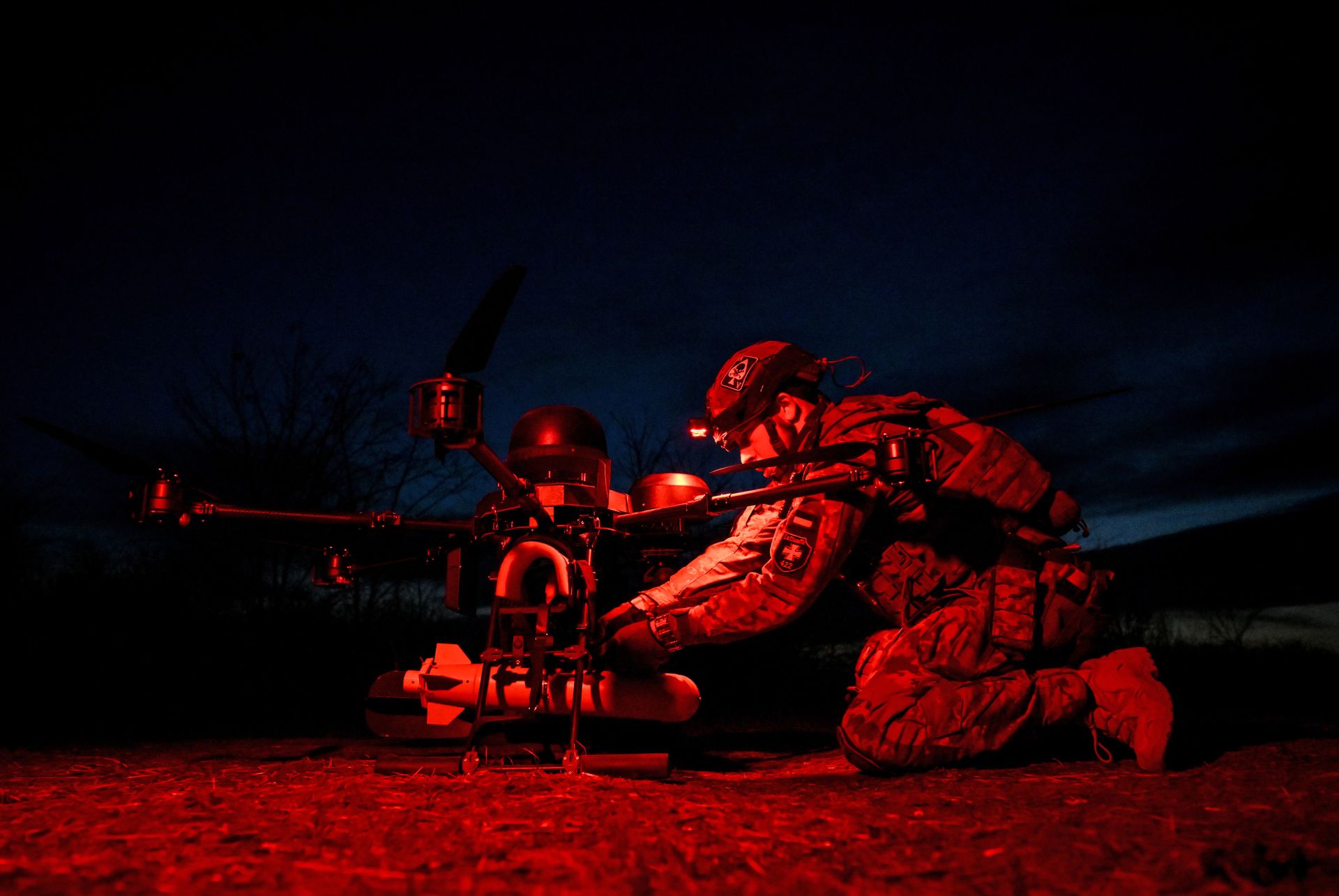
Ukraine's defense technology sector is experiencing a surge in international joint ventures, with at least 180 partnerships confirmed by the Kyiv School of Economics Institute. However, these deals are facing significant challenges that are causing many to stall. German companies lead the partnerships, with 36, followed by Denmark with 18 and the U.S. with 16. Unmanned systems dominate these ventures, accounting for 26% of all partnerships. Air defense and artillery make up 17% and 10% respectively.
Despite the growing number of joint ventures, at least 22% of deals and memorandums of understanding have stalled due to complicated export legislation and unclear regulatory processes involving multiple government agencies. Olena Bilousova, co-lead of KSE Institute’s defense research center, explained that partners are interested in collaborating but need a clear pathway from signing to working entity.
State-owned companies are more likely to face stalling compared to private companies, possibly due to their bureaucracy and unfamiliarity with due diligence processes.
The Defense Ministry, which is facing a $27 billion funding shortfall, struggles to oversee the scale of these partnerships. Germany is leading the way in partnering with Ukraine due to well-supported German firms and their specific interest in deep-strike technology and intelligence. However, some partners set unrealistic preconditions, such as requiring a maintenance and repair center near the Polish border without considering the impracticality of transporting equipment to the front line.
Export restrictions are one of the main bottlenecks for partnerships. Although Ukraine eased export rules for dual-use goods in July, obtaining an export license remains a complex process. Ukrainian companies need reliable partners on both sides to succeed, and international firms are attracted by access to technology, data, and the frontline.
However, Ukraine lacks the infrastructure to guide participants through the process, and there is no framework for intellectual property rights in joint ventures. Despite the restrictions, the KSE Institute remains optimistic about the future of joint ventures in Ukraine.
Written by urgent.news from Kyiv Independent's reporting — not their text. Machine-written — may contain errors; check the original before relying on it.