The U.S. Has More Leverage in Iraq Than It Thinks
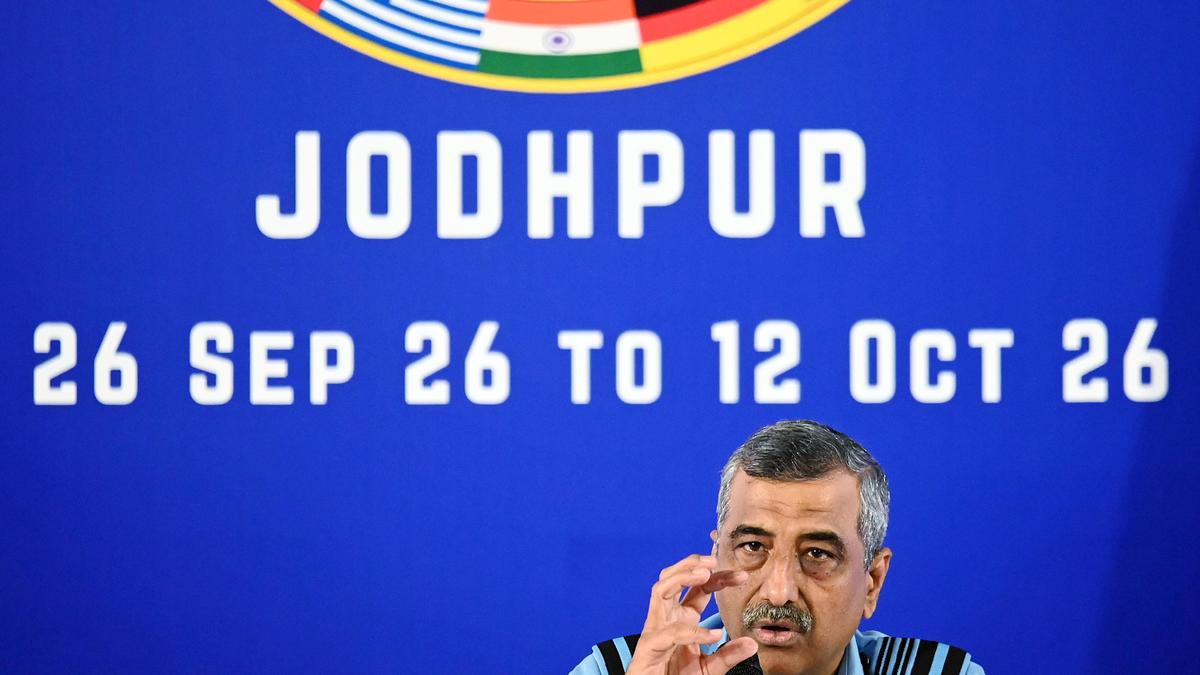
If U.S. forces leave Iraq by 30 September 2026, Washington should view the departure not as the end of its relationship with Baghdad but as an opportunity to redefine it. The U.S. will retain influence in Iraq, but it will have to exercise that influence differently. America’s challenge will be transitioning from control to influence. For two decades, the military presence gave Washington an…
The United States will still have influence in Iraq after troops withdraw on September 30, 2026. Washington's main tools will include the U.S. dollar-based financial system, sanctions, defense sales, intelligence sharing, diplomatic influence, investments, technology transfers, and market access. However, the challenge will be shifting from controlling Iraq to influencing its decisions.
Economics could become more important than security. Iraq needs American and Western technology and investment in energy, infrastructure, banking, transportation, and other areas. The U.S. can maintain leverage through commercial relationships rather than a military presence.
Dollar restrictions were temporarily imposed in 2026, but eased once Baghdad took steps like financial controls and militia disarmament. Washington could restrict dollar access if militias defy the withdrawal deadline, but the goal should be maintaining a legitimate dollar system, not dictating political choices.
Iraq's Iran-aligned militias are the biggest issue. The U.S. should support militias answering to the civilian government, but should be cautious about immediate disarmament. Iraqis seem to agree militias won't surrender weapons until after September 30.
Instead of a quick disarmament, Washington should insist on genuine progress toward state control while allowing Iraq to set the pace. Militias that cooperate can join the military or police, while unauthorized chains of command and heavy weapons gradually disappear.
The key conditions for disarmament resemble Northern Ireland's and Bosnia's successful models: a strong state, political and economic incentives, and voluntary disarmament. Iraq lacks these, making forced disarmament risky.
Washington should avoid forcing Iraq to choose between the U.S. and Iran. Iraq's geography, history, and religious ties make such an ultimatum problematic. However, the U.S. should help Iraq balance its relationships with both powers.
Written by urgent.news from OilPrice's reporting — not their text. Machine-written — may contain errors; check the original before relying on it.