The Strange Reason You May Suddenly Feel Dizzy
With the condition BPPV, tiny calcium carbonate crystals get dislodged from the inner ear.
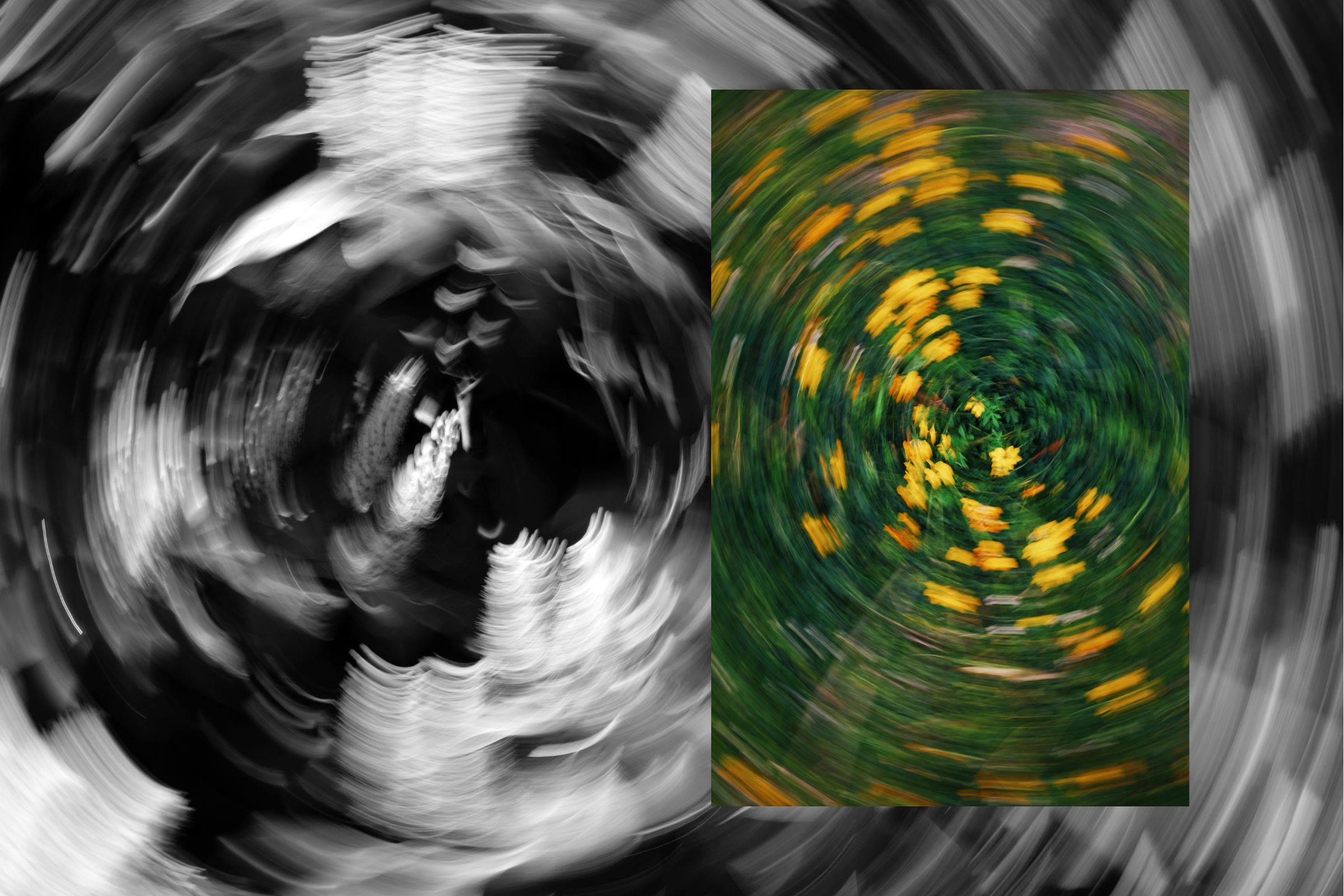
When you stand up quickly or change your head position sharply, you might feel like the world is spinning around you. This sensation, known as benign paroxysmal positional vertigo (BPPV), is a common cause of vertigo and is related to the inner ear. BPPV affects more women than men and is most likely to occur between the ages of 40 and 70. While head injuries and dental procedures are common triggers, other factors like Menière's disease, diabetes, hypertension, and low vitamin D levels can also increase the risk.
To diagnose BPPV, doctors typically perform a Dix-Hallpike maneuver, which involves moving the patient's head between sitting and lying down positions while observing their eye movements. If the eyes rapidly move in a specific pattern, it suggests nystagmus, a sign of BPPV. If nystagmus isn't present, other maneuvers can be used to provoke symptoms.
The treatment for BPPV is primarily the Epley maneuver, a series of head and body movements designed to move the dislodged crystals out of the semicircular canal. This approach successfully relieves symptoms in over 80% of patients. Other repositioning techniques may be used depending on the affected canal. When the maneuvers don't work, the condition may resolve on its own over time, or surgery might be considered to block the affected part of the inner ear.
Medications like vestibular suppressants are sometimes prescribed to manage symptoms, but experts advise against them, as they don't address the root cause and may increase the risk of falls. Maintaining hydration and engaging in regular exercise can also help reduce recurrence of BPPV.
Written by urgent.news from Time's reporting — not their text. Machine-written — may contain errors; check the original before relying on it.