The silent threat of HPV and how to protect yourself
Dr Arlies Chua explains how human papillomavirus spreads, how it can go undetected for years, and why screening and vaccination matter.
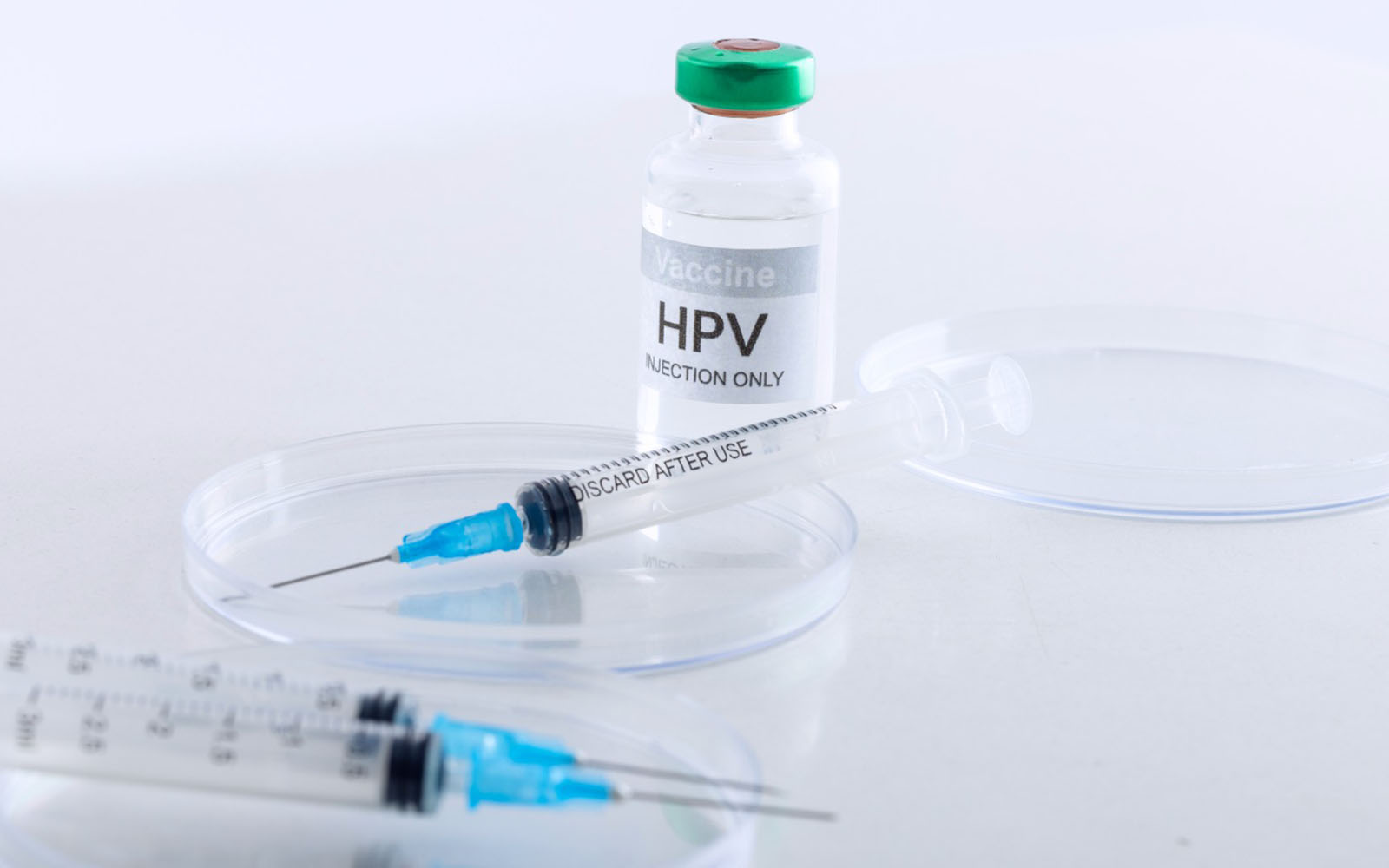
Human papillomavirus (HPV) is a silent threat that can persist undetected for years. Women and men who have had intimate sexual contact can contract the virus, even after a single partner. High-risk HPV types can lead to cervical, vulval, vaginal, anal, penile, and oropharyngeal cancers. Despite common misconceptions, men can also contract the virus.
While cervical cancer is the fifth most common cancer among women globally, it is the sixth most common in Malaysia, with 2,654 cases recorded in 2021. Early detection through cervical screening is crucial, as it can identify and treat abnormal cells before they develop into cancer. Cervical screening options include primary HPV testing and Pap smears, with the appropriate test and screening interval depending on individual factors such as age, risk factors, and national guidelines.
Vaccination is one of the most effective ways to prevent HPV, and Malaysia's school-based program now includes Year Six girls aged 12. Chua recommends HPV vaccination for girls as young as nine, as it provides the strongest protection when administered before exposure. Men should also be vaccinated to reduce the risk for women. Couples should discuss HPV diagnoses openly, as a positive result does not indicate recent infidelity or a breach of trust.
Written by urgent.news from Free Malaysia Today's reporting — not their text. Machine-written — may contain errors; check the original before relying on it.
This story
This is one outlet's version. Read the fullest account.
- The silent threat of HPV and how to protect yourself freemalaysiatoday.com