The Emergency was real, the System was not!
A few hours into the night shift, I identified a patient with refractory hypoxia despite receiving 15L/min via NRBM. I initiated an ICU referral; however, the ambulance crew ( 1 driver, 2 EMT personnel) was hesitant to transport due to the patient’s critical status. They requested a clinician escort from the ER to facilitate the transfer. I agreed to go. We are taught that the line between life…
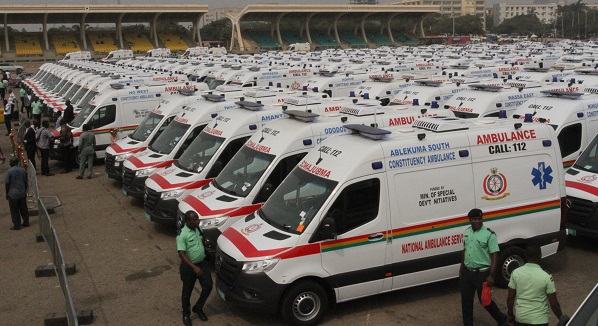
The night shift began, and a patient with severe breathing difficulties was identified. Despite receiving high-flow oxygen, the patient continued to struggle. An ICU referral was requested, but the ambulance crew was reluctant to transport the critical patient, requesting a clinician escort instead. The reporter, feeling a sense of urgency, prepared an emergency kit, including adrenaline, syringes, and gloves, in anticipation of a potential emergency.
As the ambulance began its journey, disaster struck. The oxygen tubing, the patient's lifeline, tore. Oxygen began leaking into the air of the moving van, instead of reaching the patient's lungs. The crew attempted to secure the tube with tape, but it failed once more, leaving the ambulance held together by desperate measures. The reporter had to manually bag the patient's lungs, watching in horror as the woman's condition deteriorated.
Despite the chaos, the reporter administered emergency medication, but the ambulance crew lacked the necessary supplies. Adrenaline and syringes were absent from the emergency drug supply. The reporter questioned the crew's ability to correctly dose life-saving drugs in a crisis, and the situation grew more dire. The only option left was to use an Automated External Defibrillator, but the crew was unsure how to use it.
Eventually, the woman succumbed to her injuries. The ambulance driver reported the incident to national authorities, and the paperwork began. However, the reporter's focus was on the glaring deficiencies that had led to this tragedy: the un-inspected oxygen tubing, the lack of a backup oxygen source, the missing adrenaline, and the crew's unfamiliarity with basic resuscitation techniques.
These failures were all preventable, and the reporter demanded an immediate audit of emergency drug stocks, oxygen delivery equipment, and resuscitation readiness. The reporter called for mandatory crew training on drug administration during cardiac arrest, emphasizing that improvisation cannot replace a well-functioning system. The system had failed once again, and it needed to be held accountable.
Written by urgent.news from MyJoyOnline Ghana's reporting — not their text. Machine-written — may contain errors; check the original before relying on it.