THE CONVERSATION: What happened when a South African school switched from English to bilingual science tests
Well‑resourced mother‑tongue bilingual science lessons and tests can improve Grade 4 performance and parent involvement, suggesting scalable bilingual education across South Africa.
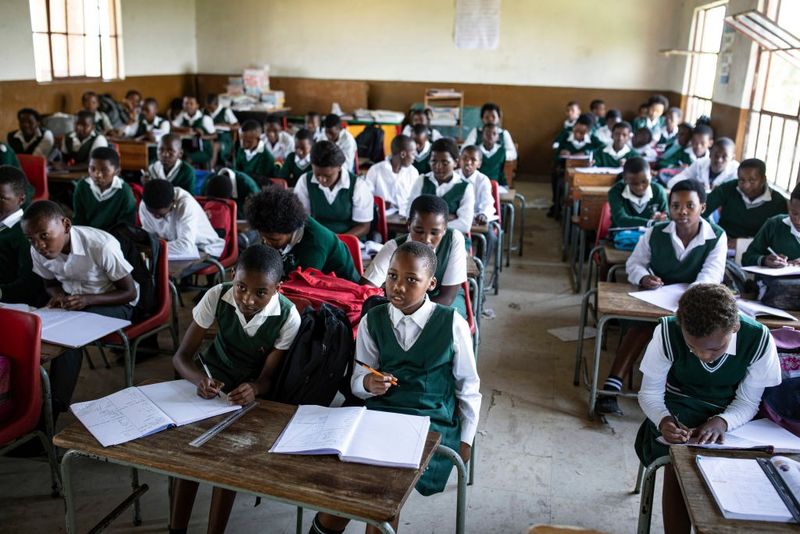
A South African primary school in Khayelitsha, Western Cape, switched from English to bilingual science tests for Grade 4 learners in 2025. Prior to this, children started learning in their home language until Grade 3, then switched to English in Grade 4. Teaching and testing science in both English and the children's home language, isiXhosa, resulted in significantly better performance and greater parent involvement compared to an English-only approach.
An 86% pass rate was achieved with the bilingual test, compared to just 51% on the English-only test. Parents were enthusiastic about the bilingual education, stating it helped them connect with their child's learning at home and increased their own ability to assist with schoolwork. This success suggests that a well-resourced bilingual education model could be adopted more widely across South Africa, particularly in primary school grades.
Written by urgent.news from Daily Maverick's reporting — not their text. Machine-written — may contain errors; check the original before relying on it.