Spain battles climate change on several fronts
A summer of wildfires and heatwaves underlines the threats to the country's economy.
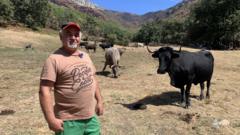
In the Gredos mountains, west of Madrid, Juan Ángel Izquierdo and his family tend to their herd of cows. Recently, a massive wildfire ravaged their lands, consuming 80,000 hectares and destroying over 60% of their property. The area, once green, now bears the scars of blackened trees and burnt fields. Izquierdo, who has been farming here for generations, laments the changing weather patterns that exacerbate the risk of fires.
Summers have become hotter, with less rain and an extended dry season, making wildfires more probable.
Spain's climate crisis has had severe economic repercussions. Over 300,000 hectares of land have been burned this year alone, with agriculture suffering the most significant losses. The farming insurance association estimates that 16,000 hectares of crops were destroyed by mid-August, dealing a significant blow to Spain's agri-food industry, which contributes 9% to the country's GDP. The government has responded with compensation to farmers, but for Izquierdo, it covers less than half of his losses.
Tourism, another vital sector, has also felt the impact of Spain's warming climate. While an estimated 100 million foreigners are expected to visit this year, making Spain the second most-visited country globally, heatwaves have deterred potential tourists. A study by Madrid's Rey Juan Carlos University found that overnight stays decreased during heatwaves, with a drop in arrivals from major markets. The tourism industry, which accounts for 13% of Spain's GDP, may face medium-term repercussions.
The heat has also driven a trend known as the "coolcation," where Spanish citizens opt for cooler destinations in the north during the summer. Warmer summers have led to a decrease in tourism during peak season, with more visitors choosing to travel during the milder months of spring and autumn. Additionally, Catalonia's water restrictions due to drought have affected the local economy, with industry and crop farming facing reduced water usage. The region's economy has been impacted by the prolonged drought and the devastating fires.
Written by urgent.news from BBC Business's reporting — not their text. Machine-written — may contain errors; check the original before relying on it.