Singapore firms, households well-buffered against global shocks, MAS warns of AI pullback
SINGAPORE, Sept 22 — Singapore’s companies, households and financial institutions have sufficient buffers to...
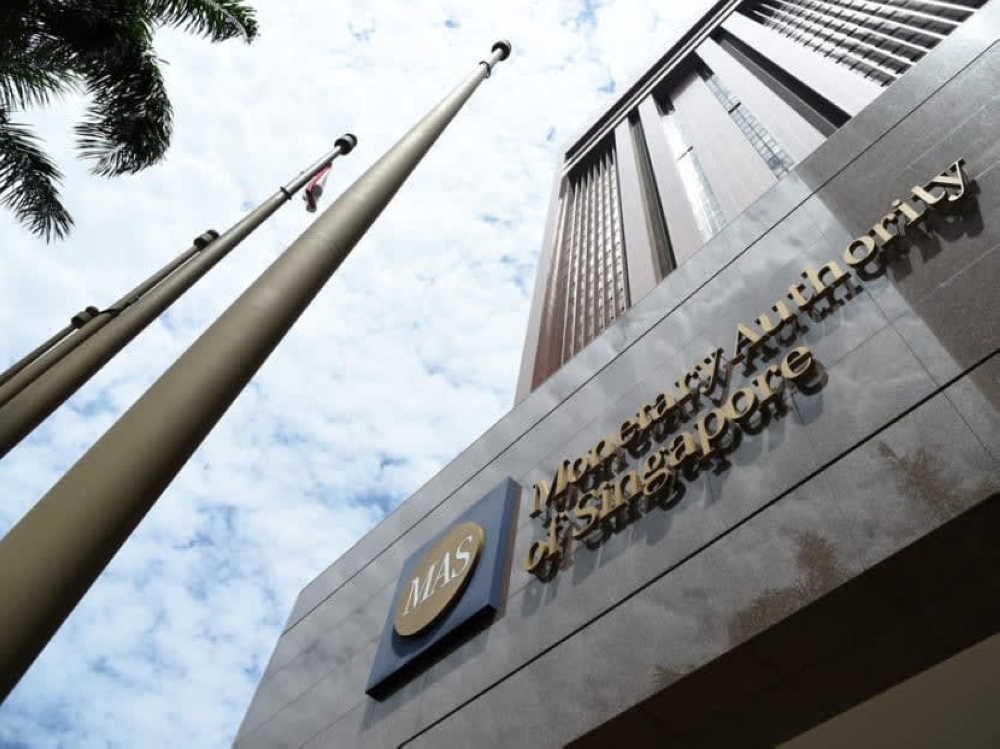
Singapore's companies, households, and financial institutions possess ample buffers to endure global shocks, according to the Monetary Authority of Singapore (MAS). However, the central bank cautions that heightened geopolitical and macroeconomic uncertainty necessitates continued vigilance. The MAS's annual financial stability review, which evaluates risks to Singapore's financial system and its resilience to potential shocks, indicates that the country's financial stress index spiked during the Middle East conflict but subsequently returned to historically low levels, albeit with a slight uptick alongside rising global yields.
The MAS predicts that shifts in global risk sentiment could reignite financial stress, citing potential sources such as heightened Middle East tensions, additional trade restrictions, and a correction in the artificial intelligence investment cycle. The rapid proliferation of AI infrastructure has emerged as a significant catalyst for global capital demand; nevertheless, escalating interest rates, semiconductor and electricity expenses, and heightened reliance on market financing have escalated the returns demanded for AI investments.
Although AI investment sustains economic activity and corporate earnings, the MAS asserts that present equity valuations hinge on robust and enduring revenue growth and substantial eventual profits from investments in data centers and advanced semiconductors. A substantial decline in earnings or anticipated returns could prompt a broader reevaluation of AI-related valuations, potentially leading to losses across public equities, corporate bonds, and private credit markets.
The central bank also underscores that renewed conflict in the Middle East and persistent trade policy ambiguity could exacerbate inflation risks, with heightened tariffs and further restrictions potentially augmenting production costs, while geopolitical tensions could disrupt energy markets, shipping routes, and critical technology supply chains.
The MAS notes that the frequency and duration of supply shocks may create more volatile inflation and undermine expectations, compelling monetary policy to remain restrictive for an extended period, thereby tightening financial conditions across sovereign and corporate debt markets. Despite generally accommodating domestic financial conditions, with borrowing costs easing over the past year, the three-month Singapore Overnight Rate Average (SORA) continuing to decline, and the Straits Times Index surging 33% year-on-year in the third quarter, MAS warns that rising global interest rates might exert some tightening pressures in the near future.
The central bank highlights that most firms and households maintain strong balance sheets and are anticipated to remain resilient under stress. The MAS's stress tests reveal that banks and insurers are well-capitalized and capable of withstanding severe macro-financial shocks, while investment funds possess sufficient liquidity to address redemption requests.
However, highly leveraged firms and households with limited savings buffers may encounter greater difficulties. In light of the uncertain macroeconomic outlook, the MAS advises firms and households to manage their finances prudently and retain adequate liquidity buffers against potential stress. The central bank advises banks to uphold sound risk management and robust buffers, while insurers should guarantee adequate capital to endure potential losses and investment funds preserve sufficient liquidity.
Written by urgent.news from Malay Mail's reporting — not their text. Machine-written — may contain errors; check the original before relying on it.