SEBI sees ₹2 lakh crore IPO potential
So far this fiscal year, 55 per cent of IPO proceeds has gone to companies as fresh capital, says Pandey
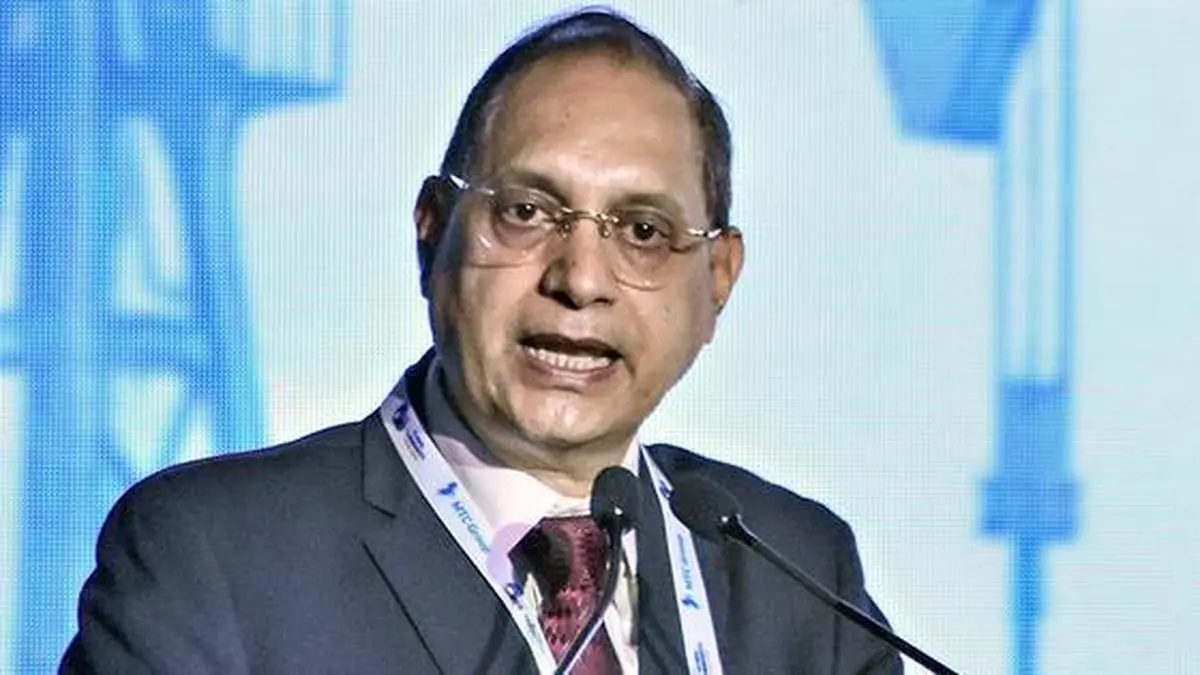
India may potentially raise up to ₹2 lakh crore through initial public offerings (IPOs) in the future, according to Securities and Exchange Board of India (SEBI) Chairman Tuhin Kanta Pandey. Addressing the J.P. Morgan India Conference, Pandey revealed that around ₹60,000 crore has already been raised from IPOs in 2026-27, with roughly 55% of the funds being allocated to new capital for companies.
The country's equity market boasts a market capitalization of approximately $5 trillion, while over ₹100 lakh crore has been accumulated through equity and debt issuances throughout the past decade, as stated by Pandey.
SEBI is actively exploring various measures to expand access to the capital markets and increase participation. In terms of market settlement, the regulator aims to tackle concerns surrounding settlement prices for derivatives on the day of expiry following the implementation of the closing auction session. Additionally, SEBI is evaluating simpler digital onboarding for Persons Resident Outside India, wider participation for FPIs in non-agricultural commodity derivatives, and depository receipts linked to REITs and publicly listed InvITs.
In the realm of portfolio management, SEBI is considering proposals such as investment in foreign securities and a framework to facilitate global fund-management operations originating from India. The regulator is also working on a comprehensive market-making framework for corporate bonds, encompassing aspects of liquidity, market infrastructure, and repo access.
SEBI is also consulting on net settlement of funds for mutual fund schemes in the cash market, enhancing business continuity and disaster recovery arrangements for market infrastructure institutions, and extending IT and cybersecurity requirements to subsidiaries engaged in critical functions.
Written by urgent.news from Hindu BusinessLine's reporting — not their text. Machine-written — may contain errors; check the original before relying on it.