Scientists reveal why Kent meningitis outbreak was so deadly
An investigation has revealed why the deadly meningitis B outbreak in Kent was so dangerous.
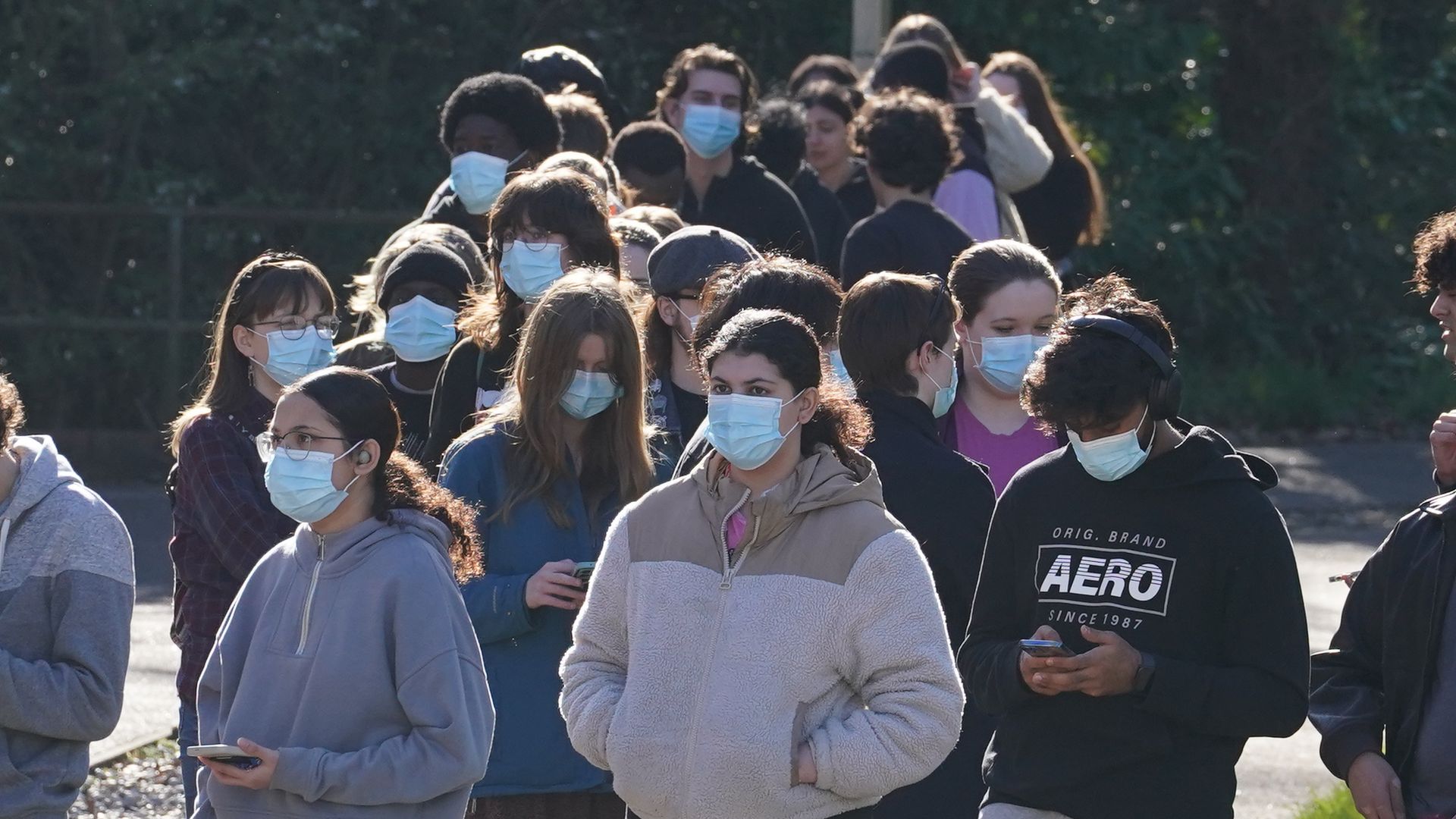
Scientists have unraveled the mystery behind the severity of the UK's deadliest meningitis B outbreak in Kent earlier this year. More than 20 young individuals, primarily students, were infected, with nine requiring intensive care and two succumbing to the disease. The research, conducted by the UK Health Security Agency and the University of Oxford, reveals that the bacterium acquired genetic material from other pathogens commonly found in the human throat.
This exchange of DNA resulted in a new strain that swiftly spread among clubgoers, causing severe illness. Dr. Charlene Rodrigues, a consultant in Pathogen Genomics at UKHSA, emphasizes that the current meningitis vaccine offers protection against this specific strain. The investigation underscores the rapid and dramatic changes bacteria can undergo, highlighting the role of social environments in facilitating such rapid spread.
Experts warn that similar events could occur again, urging continued vigilance. The outbreak's speed and severity are unprecedented, with two fatalities and numerous hospitalizations. The menB vaccination program was initiated following the outbreak, and the JCVI now recommends the vaccine for teenagers aged 15, with catch-up programs for those who may miss the initial vaccination.
Written by urgent.news from BBC Health's reporting — not their text. Machine-written — may contain errors; check the original before relying on it.
This story
This is one outlet's version. Read the fullest account.