Schulden: Finanzvermögen des deutschen Staates wächst auf 1,2 Billionen Euro
Das Finanzvermögen des deutschen Staates stieg 2025 um 5,9 Prozent auf rund 1,2 Billionen Euro. Gleichzeitig kletterten die öffentlichen Schulden auf mehr als 2,66 Billionen Euro.
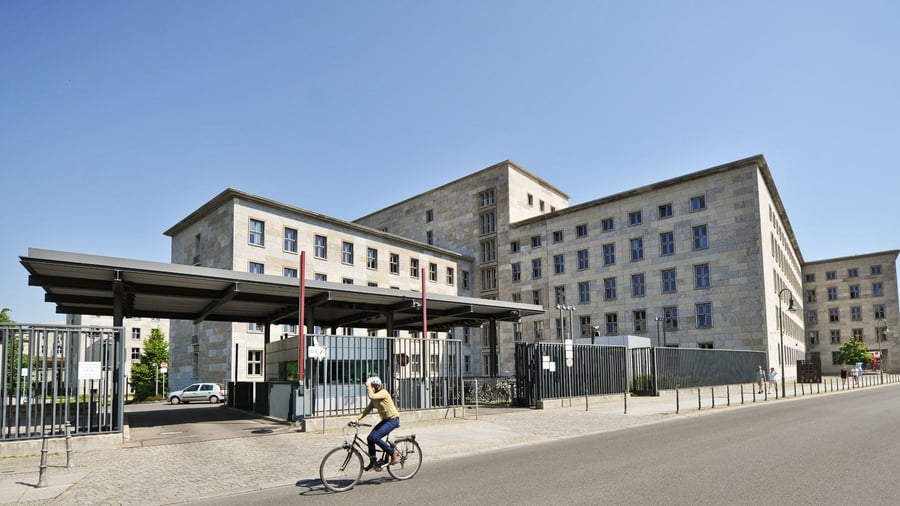
Berlin - The German state's debt is not the only financial figure growing. Its financial assets expanded last year by 5.9 percent to approximately 1.2 trillion euros, according to the Federal Statistical Office on Tuesday. This represented an increase of about 66.8 billion euros compared to the previous year. The state's financial assets include cash, securities, loans, and company stakes held in the private sector.
All four levels of the public general budget – federal, state, municipal, and social security – showed growth. The federal government saw the largest share, with its financial assets increasing by 6.4 percent to 457.2 billion euros. The rise, statisticians said, was mainly due to an increase in liquidity reserves and an equity increase at Deutsche Bahn AG.
State finances grew by 8.2 percent, with variations among them. Bremen (+28.0 percent), Saxony-Anhalt (+25.0 percent) and Lower Saxony (+21.3 percent) recorded the biggest increases, while North Rhine-Westphalia (-6.0 percent), Berlin (-4.0 percent) and Schleswig-Holstein (-0.9 percent) saw declines. North Rhine-Westphalia used assets to repay debts, Berlin removed a municipal holding from the statistics, and Hesse experienced a decline.
Municipal and municipal association financial assets rose by 1.9 percent to 252.8 billion euros. Municipalities in Schleswig-Holstein (+10.2 percent) had the biggest increase, while only Hesse saw a decline. The social security financial assets were up by 6.6 percent to 181.6 billion euros. However, substantial liabilities stood in contrast.
The public general budget (federal, state, municipal, municipal association and social security, including all extrabudgetary accounts) ended 2025 with a non-public debt of over 2.66 trillion euros, or six percent or 151.4 billion euros more than the previous year. More: Wolfgang Ischinger: “We face the most dangerous autumn yet.”
Written by urgent.news from Handelsblatt's reporting — not their text. Machine-written — may contain errors; check the original before relying on it.