Saudi Pipeline Restart Fails to End Oil Market Tightness
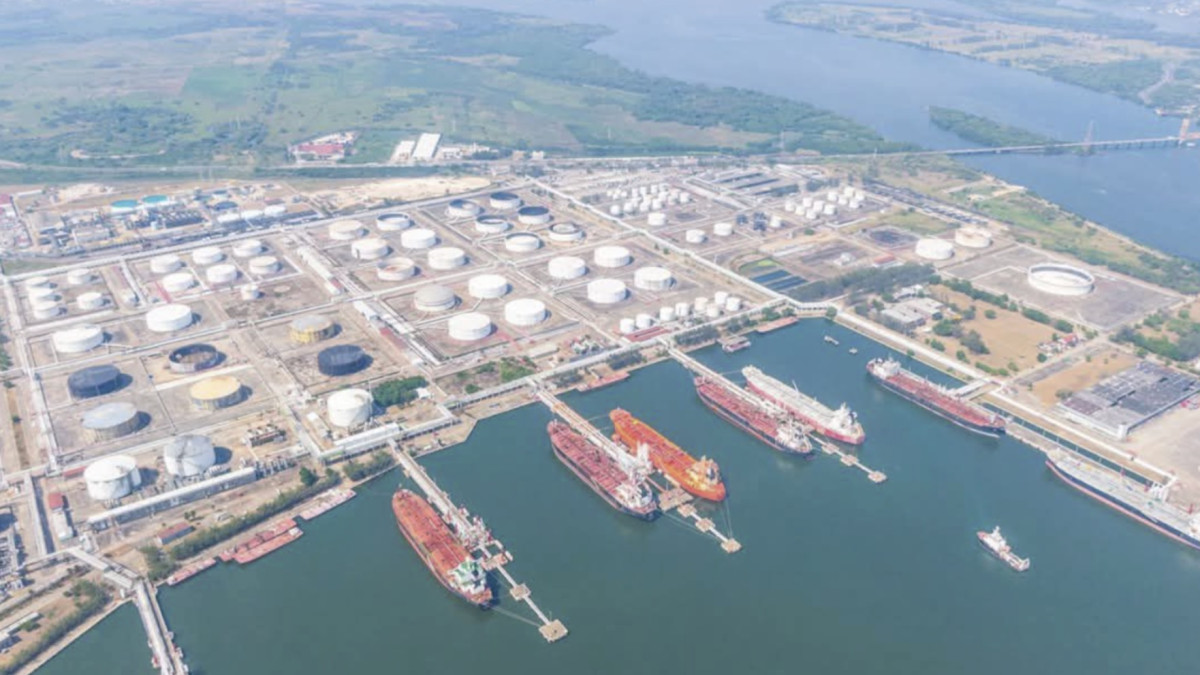
Saudi Arabia's East-West pipeline restart brought a modest boost to oil market confidence, while soaring freight prices and diesel costs revealed that oil market tightness remains a pressing concern. The pipeline outage had left Gulf tanker fleets stranded, sparking a surge in freight costs to unprecedented levels. French oil conglomerate TotalEnergies and Chinese refineries offered staggering sums to secure tankers, with Chinese refiners switching from VLCCs to larger Suezmax vessels in response.
Bloomberg reported that freight costs now account for at least 25% of total crude costs delivered to Asia, up from 5-6% in 2025, significantly impacting oil company profits. Meanwhile, Apollo Global Management considered selling its floating LNG operations, while Trafigura established its own shipping arm dedicated to VLCC operations.
The situation was further complicated by the possibility of US crude tariffs being reduced before a summit with Chinese President Xi Jinping, potentially allowing Chinese refiners to resume importing US liquefied gas after a six-month hiatus. Additionally, geopolitical tensions continued to impact energy markets, with the Houthis controlling the Bab el-Mandeb strait and Russia's Moscow refinery suffering a drone strike that halted crude processing.
Meanwhile, the international renewable energy sector faced challenges in meeting its 2030 targets, with renewable energy additions falling short of the projected 1.2 TW growth needed to triple global capacity by 2030.
Written by urgent.news from OilPrice's reporting — not their text. Machine-written — may contain errors; check the original before relying on it.
This story
This is one outlet's version. Read the fullest account.