SA warned to brace for ‘unprecedented’ El Niño, record heat, drought and flood risks loom
El Niño is strengthening, with a greater than 90% chance of becoming a very strong event.
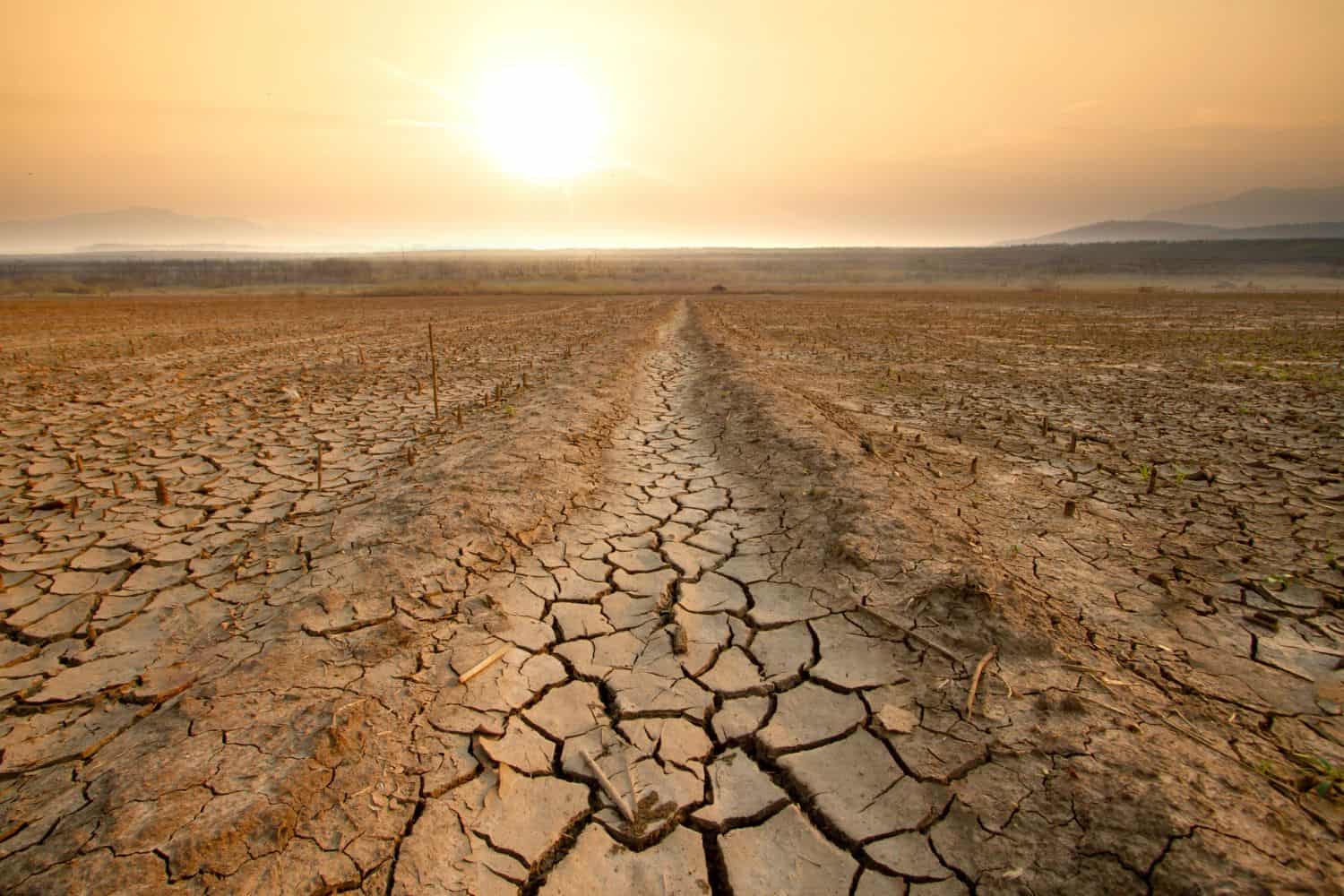
South Africa is prepared for one of the most powerful El Niño events ever recorded, with scientists cautioning about soaring heat, minimal precipitation, and mounting hazards to agriculture, public health, and disaster management. The South African Weather Service (Saws) convened a media briefing on September 18 to outline the latest El Niño forecast and solicit input from sectors affected by weather conditions for the 2026/27 El Niño season.
El Niño is intensifying According to the United States’ National Oceanic and Atmospheric Administration (NOAA), El Niño is strengthening, with a likelihood exceeding 90% of becoming a very strong event during the Northern Hemisphere's autumn and winter of 2026/27. NOAA estimates a 69% probability of an event surpassing the intensity of any El Niño since 1950 from October to December.
Regional impacts Across Africa, the threat varies by region. Southern Africa anticipates drought and extreme heat, while East Africa may encounter excessive rainfall and flooding. 'Unprecedented' University of Pretoria's Willem Landman outlined the current El Niño status, describing the country's experience as "unprecedented in the instrumental record" because of its early and swift intensification.
"Seasonal forecasts predict high probabilities of above‑normal temperatures across all regions and below‑normal rainfall by mid‑summer. Individuals' reactions Professor Rudzani Malala, Senior Manager of Disaster and Risk Reduction at Saws, emphasized that El Niño itself is not a disaster, but how people prepare and respond can determine whether it becomes one.
"All indications suggest we are dealing with a very strong El Niño. Saws' DRR department provides daily weather forecasts, as well as impact-based weather forecasts and alerts, which the public and relevant sectors should monitor diligently. "The manner in which people react and plan for it will dictate whether it turns into a disaster," said Malala.
National disaster Phumeza Tyali of the National Disaster Management Centre stressed the importance of proactive planning. "Preparation must commence prior to impacts materialising. Comprehensive government and societal coordination are vital. The media play a crucial role in transforming information into action. Therefore, whole-of-government and whole-of-society coordination is essential," said Tyali.
Agriculture Agricultural specialists cautioned about reduced grazing and diminished grain production, advocating for conservative approaches. "Conditions are more favorable than prior to the 2015/16 El Niño, but this could change by the end of summer," stated Dr Johan Malherbe of the Agricultural Research Council. Health specialists underscored the disproportionate impacts on vulnerable populations.
Celeste Madondo of the Foundation for Professional Development (FPA) discussed the vulnerabilities of specific groups, such as the impoverished, women, children, the elderly, and individuals with chronic health conditions. She stressed that South Africa is witnessing increasing frequency, intensity, and duration of heatwaves. "Extreme heat events are intensifying, and climate-health connections are complex, hitting the poorest hardest."
Saws forecast Saws will continue delivering monthly forecasts and bi‑monthly updates, stressing the key message: El Niño is present, it is robust, and South Africa must take action now.
Written by urgent.news from The Citizen's reporting — not their text. Machine-written — may contain errors; check the original before relying on it.