Russia imposes restrictions near Estonian border amid mobilization concerns
The move comes as security concerns are growing along Russia’s northwestern border. NATO officials have warned about Russian drone incursions, airspace violations, sabotage, and other hybrid threats, while countries in the region have been strengthening air defenses.
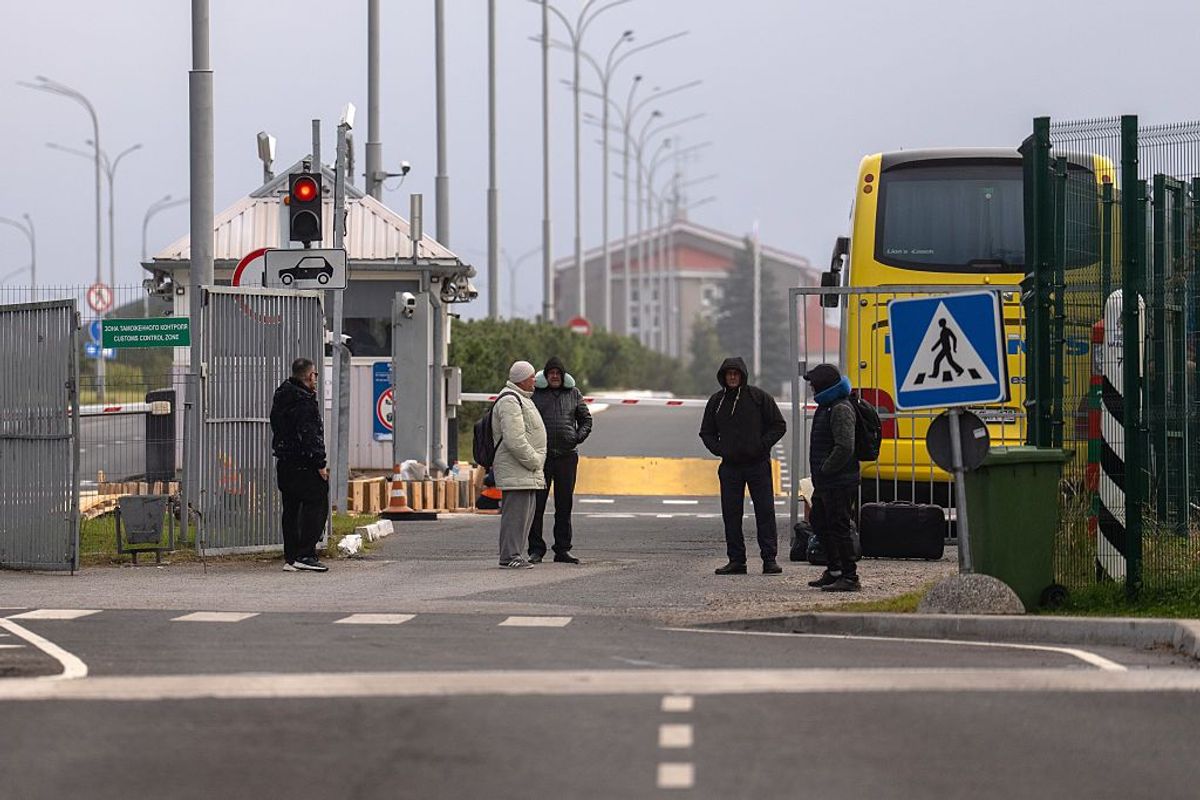
Russia has temporarily imposed restrictions in two districts near the Estonian border, limiting activities such as nighttime movement, access to parts of the Narva River, hunting, and carrying firearms within the border zone. These measures, introduced by Russia’s Federal Security Service (FSB), are set to remain in effect from September 16 to September 26.
The restrictions were put in place amid growing security concerns in the Baltic region, with NATO officials warning about Russian drone incursions, airspace violations, sabotage, and other hybrid threats. Countries in the area have been strengthening their air defenses in response.
Russian officials claim that these measures are intended to enhance border security and prevent violations of border and migration rules. The current scenario coincides with discussions about a potential new wave of mobilization in Russia following the parliamentary elections held on September 18-20. If such mobilization were to occur, it could prompt a larger exodus of Russian men attempting to cross the remaining land borders, including Estonia.
Estonian authorities are closely monitoring the situation but have not identified an immediate threat, although they cannot rule out a connection between the restrictions and a new wave of mobilization in Russia. Along Russia’s northern border, Finland has maintained its entire land border with Russia closed since December 2023. The Finnish government proposed extending the Border Security Act, which keeps the border secure, until the end of 2028, citing the ongoing risk of such operations.
In September, Russia conducted drone strikes near the borders of Poland and Moldova, which are both neighboring Ukraine. Lithuania has received intelligence suggesting that Russia might employ Ukrainian-made drones to execute false flag attacks on critical infrastructure within the Baltic region, posing further security risks.
Written by urgent.news from Kyiv Independent's reporting — not their text. Machine-written — may contain errors; check the original before relying on it.