‘Resident Evil’ Took a Different Approach to Video Game Films, and It Paid Off | Analysis
By eschewing a direct adaptation of Capcom's games, Zach Cregger made a more accessible film that has won over a wider horror audience The post ‘Resident Evil’ Took a Different Approach to Video Game Films, and It Paid Off | Analysis appeared first on TheWrap .
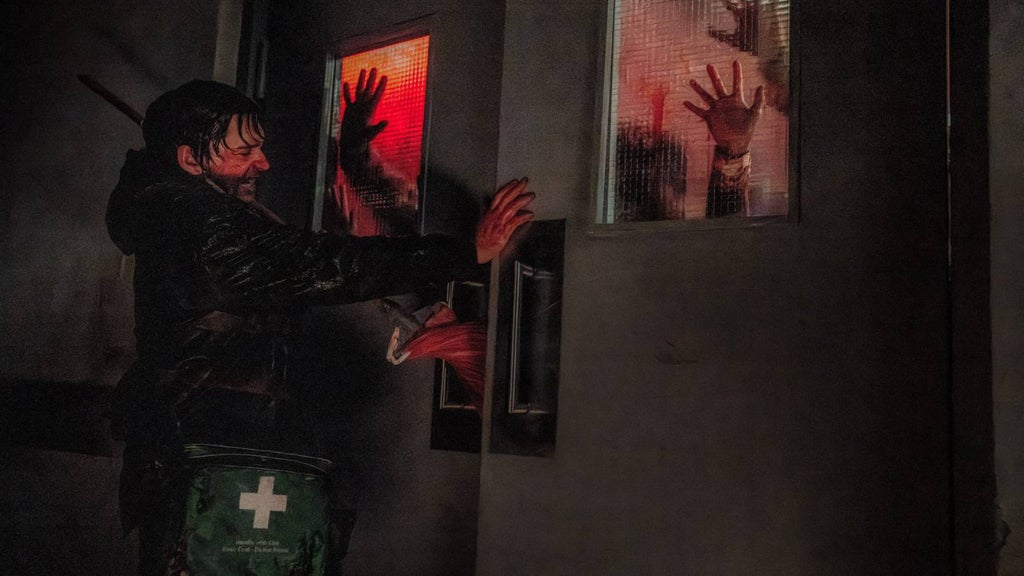
Since the initial "Resident Evil" film release in 2002, video game movie adaptations have experienced an improved reputation among gamers. The recent success of Sony's "Resident Evil" film, which opened to a global box office total of $108.3 million, demonstrates this shift in perception. The movie's $60 million domestic opening also marks a franchise record for the "Resident Evil" series and a career record for director Zach Cregger.
While the film's approach to incorporating elements from the "Resident Evil" games was different from previous adaptations, it still faced risks and competition. Unlike earlier films, "Resident Evil" did not focus on characters like Claire Redfield or Albert Wesker, nor did it directly reference the Umbrella Corporation or many of the game's monsters.
Instead, Cregger emphasized signature elements of survival horror games, such as locks being picked under attack and scrounging for survival supplies. This strategy aimed to appeal to both gamers and fans of horror films, resulting in a highly diverse audience drawn to the film. While not every film achieves the same success, the "Resident Evil" franchise's unique approach to adapting video games has allowed it to tap into a broader audience, potentially leading to greater box office heights in the future.
Written by urgent.news from TheWrap's reporting — not their text. Machine-written — may contain errors; check the original before relying on it.