RBNZ’s Breman: Higher oil prices point to firmer near-term inflation
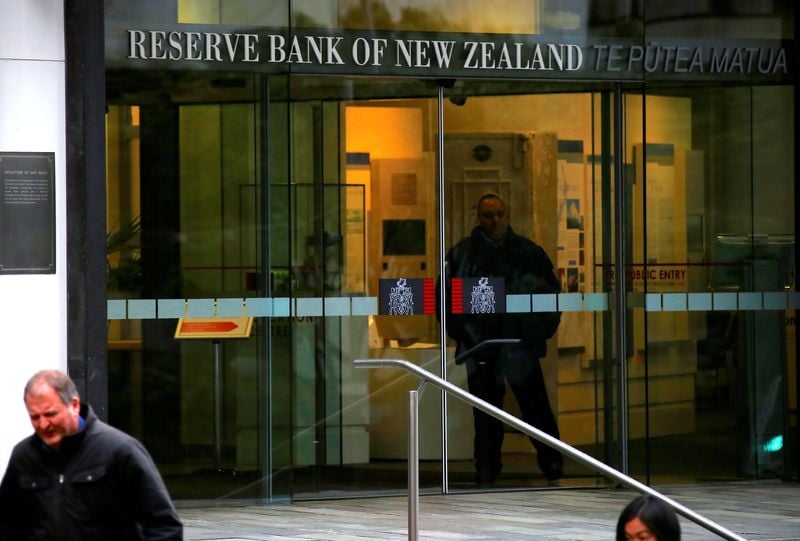
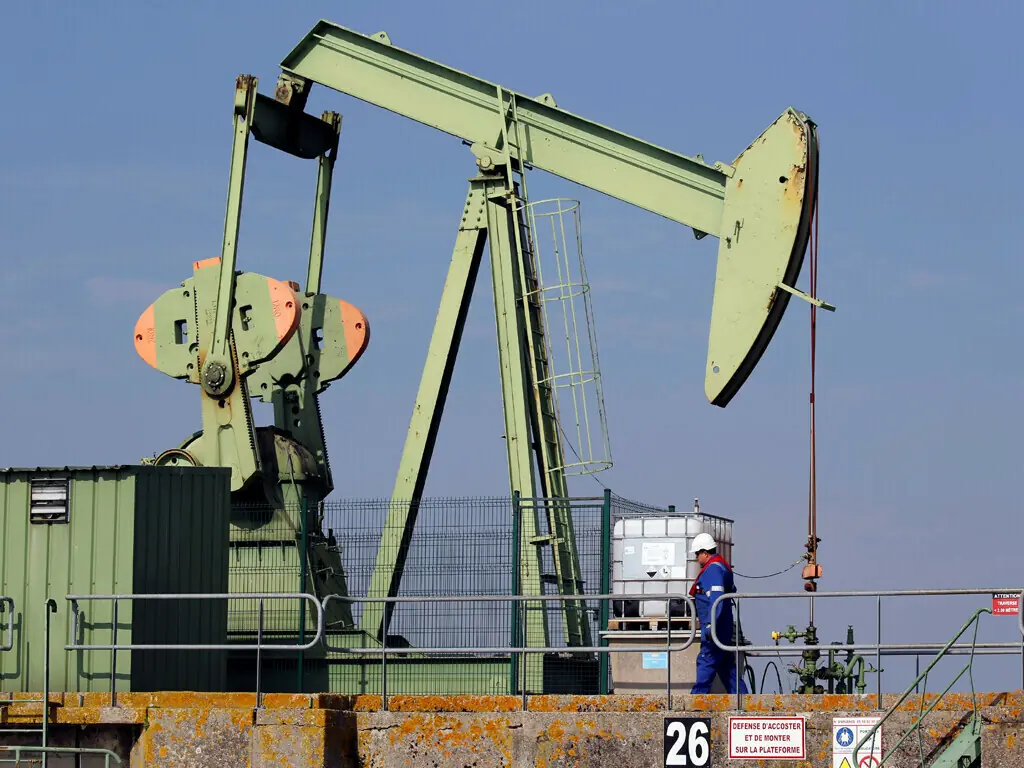
Reserve Bank of New Zealand (RBNZ) Governor Anna Breman said on Tuesday that if higher oil prices persist, they are expected to result in somewhat higher near-term inflation than assumed in the September statement.

Reserve Bank of New Zealand (RBNZ) Governor Anna Breman stated on Tuesday that persisting higher oil prices are expected to lead to slightly higher near-term inflation than anticipated in the September statement. The central bank will review incoming data and global developments prior to its next decision in October, maintaining focus on inflation outlook.
Significant economic risks persist, with the economic recovery strengthening and expanding unevenly. As of now, the NZD/USD pair is up 0.07% on the day at 0.5720. RBNZ's primary goals are price stability within 1% to 3% inflation range and maximum sustainable employment. The Monetary Policy Committee (MPC) determines the appropriate level of the Official Cash Rate (OCR) based on these objectives.
When inflation exceeds targets, the bank raises OCR, making borrowing more expensive and cooling the economy. Higher interest rates benefit the NZD by providing higher yields and attracting investors. Conversely, lower interest rates weaken the NZD. RBNZ considers employment crucial, as a tight labor market can fuel inflation. The central bank's "maximum sustainable employment" level ensures low and stable inflation, while prolonged above-average employment could lead to accelerating price increases, necessitating further interest rate hikes.
In extreme cases, RBNZ may employ Quantitative Easing, printing local currency to buy assets like government bonds, aiming to boost the money supply and spur economic activity. This typically results in a weaker NZD. QE is a last resort when rate cuts are insufficient to meet the central bank's objectives. RBNZ used QE during the Covid-19 pandemic.
Lallalit Srijandorn, a Parisian living in France and now a digital entrepreneur in Paris and Bangkok, brings the global economic outlook into focus.
Written by urgent.news from FXStreet's reporting — not their text. Machine-written — may contain errors; check the original before relying on it.