Qatar accelerates shift to autonomous AI across public, private sectors
Qatar’s public and private institutions are moving beyond experimental technology to deploy autonomous artificial intelligence (AI) systems, taking advantage of local infrastructure to streamline prim...
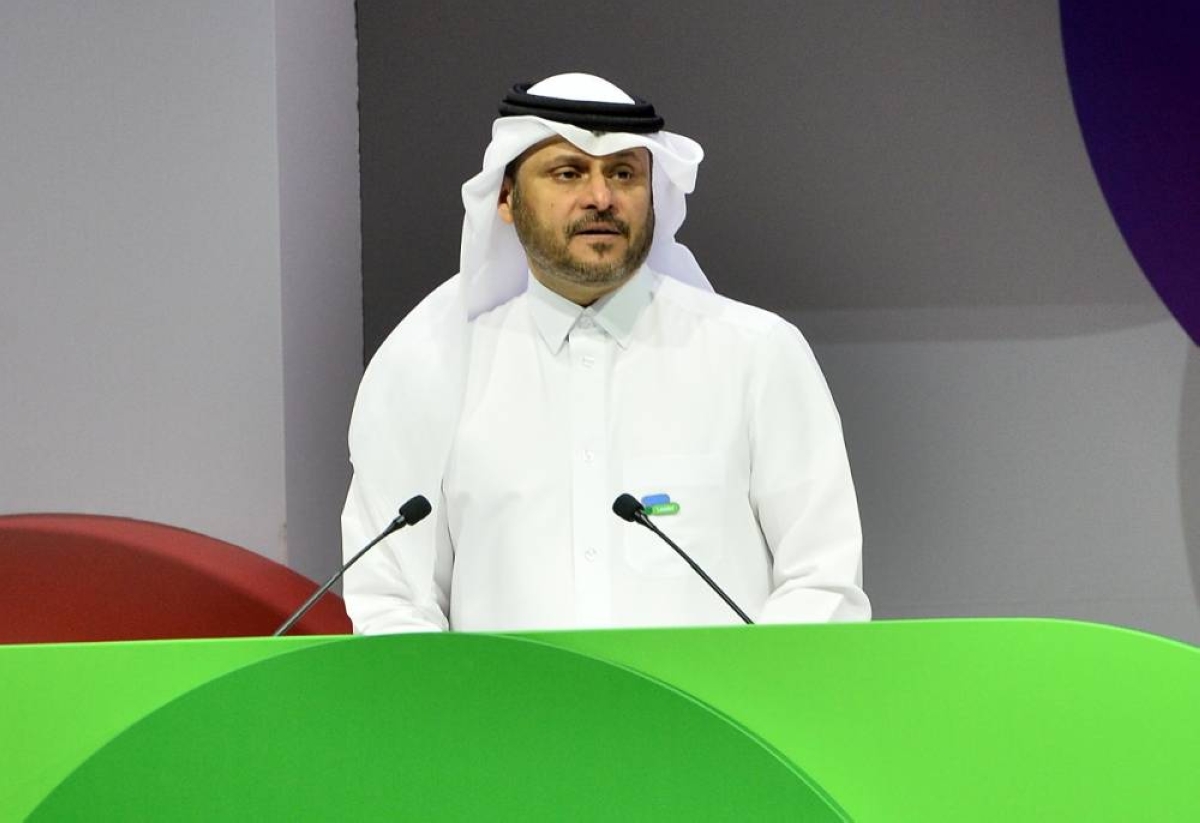
Qatar's public and private sectors are rapidly transitioning to autonomous AI systems, leveraging local infrastructure to optimize primary functions and streamline complex workflows, according to a presentation at the Google Cloud Summit Doha 2026. The country's leadership emphasized the advancements in the national digital agenda and the integration of enterprise solutions during the event.
Sami Mohammed al-Shammari, Assistant Undersecretary for Infrastructure and Operations Affairs at the Ministry of Communications and Information Technology, revealed that the government's supportive agreements facilitate the scaling of these advanced technologies across state institutions. He explained that cloud infrastructure is paving the way for the next phase of digital transformation, enabling the integration of sophisticated AI capabilities into core government operations.
To foster this technical advancement, the Ministry established the MCIT Innovation Lab (iLab), offering local developers, researchers, and commercial entities a dedicated environment to transition projects from conceptualization to full deployment. The iLab includes a state-of-the-art AI studio with multimodal capabilities, seamlessly interfacing with Gemini Enterprise to guide projects from concept to enterprise-level implementation.
Google Cloud's Regional general manager for Qatar, Oman, Bahrain, and Iraq, Ghassan Kosta, announced a comprehensive national skilling initiative in collaboration with the Qatar Digital Academy. The initiative aims to deliver more than 50,000 structured learning opportunities by 2030, focusing on building local expertise among public officials, executives, and specialized developers.
During the summit, several commercial sectors shared their operational updates. Telecommunications giants Ooredoo Qatar and Vodafone Qatar introduced automated agents to manage internal network operations, while beIN Media Group and Aspire Zone Foundation implemented automated workflows for live media processing and the analysis of athletic telemetry data.
In the public sector, the Council of Ministers unveiled a centralized data analytics framework for executive reporting, while the Civil Service and Government Development Bureau, along with the National Planning Council, employed graph technology for dynamic workforce planning and scenario modeling. Educational institutions, such as Qatar University and the University of Doha for Science and Technology, are also advancing administrative and research initiatives through the adoption of enterprise tools and the prototyping of custom AI agents for various workflows.
Kosta highlighted that open technical platforms are designed to provide organizations with the essential foundation needed to efficiently scale intelligent systems. By integrating Gemini Enterprise and investing in workforce development through national skilling programs, businesses can embed artificial intelligence directly into their primary workflows, operating within an open ecosystem tailored to the rapid pace of AI innovation.
Written by urgent.news from Gulf Times Business's reporting — not their text. Machine-written — may contain errors; check the original before relying on it.