Power keeps getting pricier
August tells a more uncomfortable story for Pakistan’s power sector. Generation is growing again, but the cost and composition of that growth are becoming increasingly difficult to ignore. National grid generation reached 14.9 billion units in August, 3 percent above reference and 5.5 percent higher year on year. The 12-month moving average, however, tells a more subdued story, with generation…
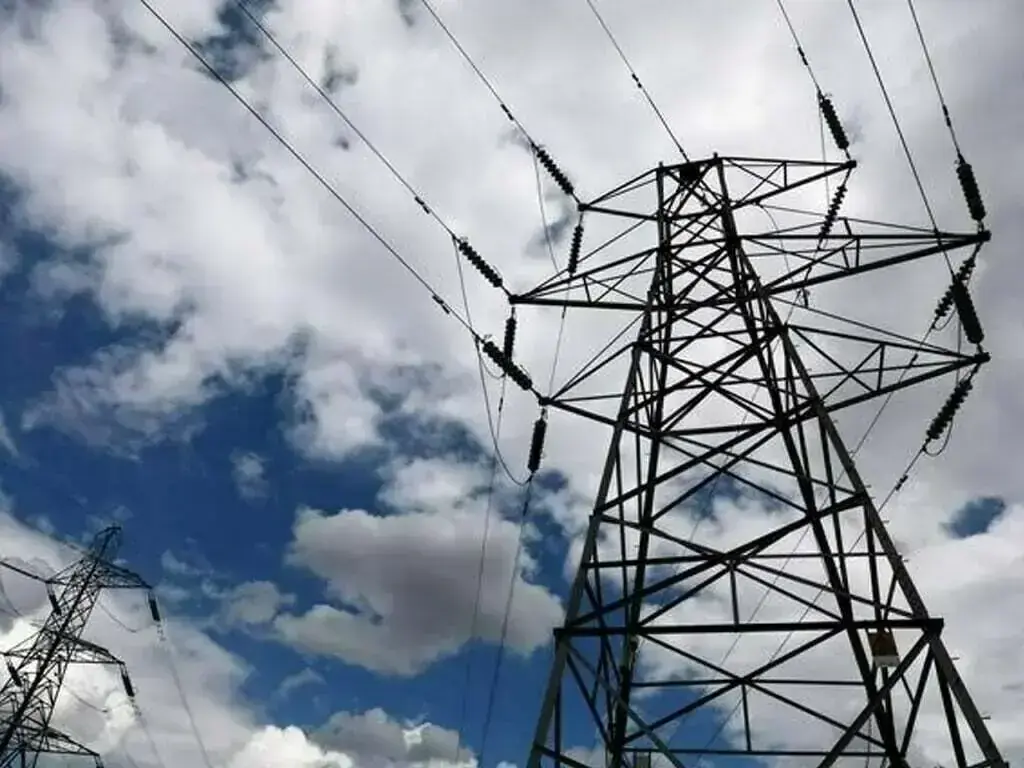
Pakistan's power sector faces rising costs, according to August figures. Generation output surged by 3% compared to expectations and 5.5% year-on-year, reaching 14.9 billion units. However, the 12-month moving average shows slower growth at 2.6%, with an average monthly generation of about 10.5 billion units. The increase is primarily driven by higher evening demand, with hydropower generation remaining stable at around 5.6 billion units, accounting for 38% of total generation.
Rapidly developing natural gas liquefaction (RLNG) generation declined to 1.3 billion units, 26% below reference levels, marking the sixth consecutive month of below-target production since the start of the war. This disrupted the availability of cheaper LNG cargoes, leading to a greater reliance on more expensive spot purchases.
In August, RLNG-based electricity cost more than Rs45 per unit, the highest average cost in two months. Imported coal became the dominant source, making up 16% of August generation, the highest monthly share recorded. The cost of meeting peak demand reached as high as Rs55 per unit, significantly higher than the previous three years.
This highlights the growing gap between average generation costs and the cost of serving the last unit of evening demand. The overall generation cost remained above reference levels, with an estimated FCA adjustment of around Rs1.7 per unit, potentially settling closer to Rs1.5 per unit. A notable change is the sharp decline in local coal costs to an all-time low of around Rs5.5 per unit, primarily due to a nearly Rs10 billion adjustment against Thar Coal Block-1's power generation company.
Despite this, nuclear generation remains low at around 10% of total output, a four-year low, due to delayed maintenance. The daytime solar curve continues to intensify, suppressing demand during the day but causing a sharp increase in demand after sunset. This creates a situation where the main challenge is ensuring sufficient generation at the right time, rather than producing enough overall.
While hydropower continues to contribute significantly, the increasing reliance on imported coal and weak nuclear generation leaves the system exposed to high fuel costs and rising prices. Despite headline generation growth, August provides little comfort, as the system struggles with expensive electricity costs and constraints in various sectors.
Written by urgent.news from Business Recorder's reporting — not their text. Machine-written — may contain errors; check the original before relying on it.