Plano teen built AI air-quality model now used across 60 schools
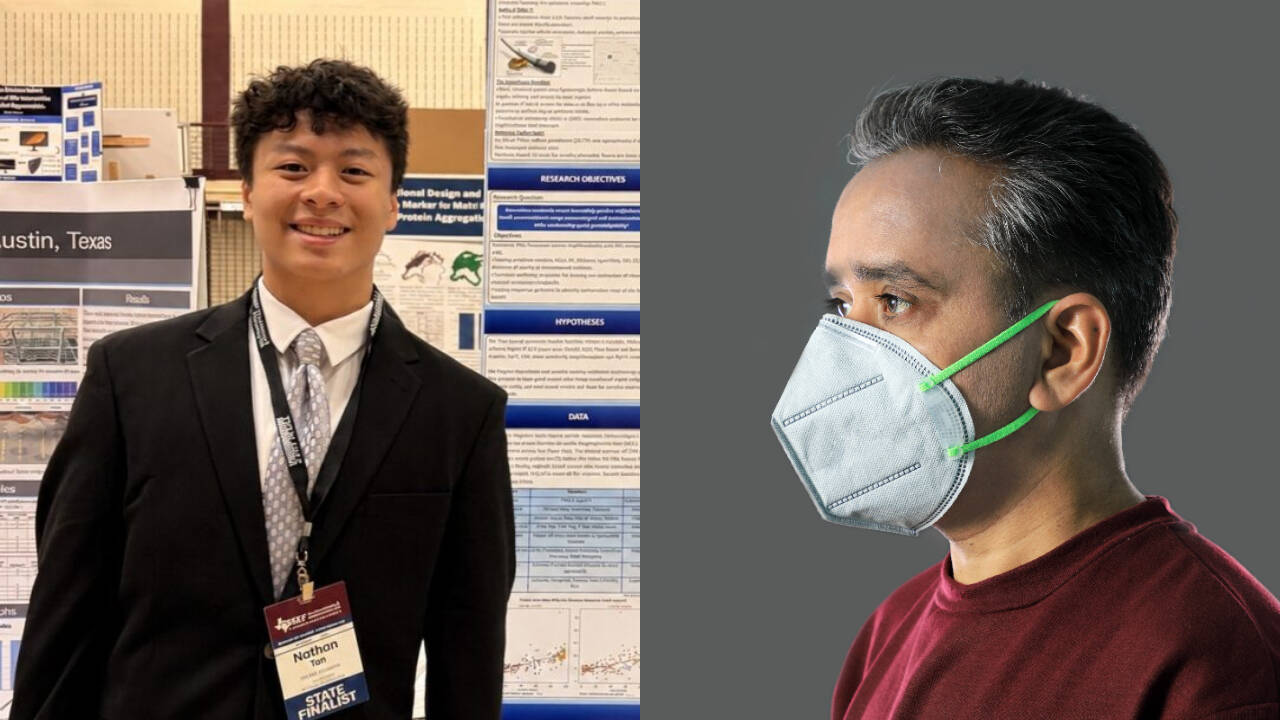
At 17, Nathan Tan from Plano, Texas has tackled an issue that can be daunting for adults as well - the hidden pollution hovering over neighborhoods where disadvantaged communities have borne an outsized environmental strain. From his residence in Plano, Tan has transformed his environmental concerns into a burgeoning community initiative that merges technology, education, and grassroots action, according to a report by North Texas e-News.
The impetus for Tan's work stemmed from years spent tutoring young students in West Dallas, a region where he increasingly noticed pollution woes. His personal brush with respiratory ailments and the loss of relatives to lung cancer lent a deeply personal aspect to his cause.
A casual remark about hazy skies sparked Tan's curiosity. Upon investigation, he discovered that childhood asthma rates in West Dallas were significantly higher than the Texas average. However, a single air-quality monitor covered an area larger than 900 square miles, leaving many communities grappling with the worst risks without precise, neighborhood-specific data about the air they were breathing.
Initially, Tan contemplated expanding the network of monitoring devices; yet the expenses and upkeep requirements made this approach impractical to scale. Instead, he devised a machine-learning model adept at forecasting particulate matter levels in areas devoid of monitoring stations. Sensor data was utilized to verify the model's accuracy, resulting in a real-time air-quality map currently employed by approximately 1,000 Texans.
This project equips residents with a method to monitor pollutants in their surroundings, independent of the limited network of conventional monitoring stations, the report elaborates.
Integrating technology is but one facet of Tan's strategy. Shared Skies, the nonprofit spearheaded by Tan, produced a 50-page environmental justice manual in both English and Spanish and distributed it to over 60 low-income schools, impacting around 30,000 pupils. The organization has also supplied 50 air filters crafted by students, capable of diminishing indoor pollution by up to 95%, alongside 10,000 KN95 masks and bilingual educational booklets.
Its youth ambassador program has trained 300 young individuals to comprehend air-quality data and disseminate practical insights to their families. The endeavor transforms students from passive recipients of environmental data into active participants who can aid their communities in grasping and addressing pollution.
Tan has extended his outreach beyond classrooms and community sessions. Shared Skies has orchestrated letter-writing campaigns and addressed local city councils, all while collaborating with grassroots organizations to garner more attention to air-quality matters. One of their targets has been a shingle manufacturing plant situated mere yards from homes in West Dallas. The group has championed the plant's shutdown and encouraged young people to engage in local dialogues about environmental policy.
National acknowledgment at 17 has come Tan's way. He ranks among 25 recipients of the 2026 Gloria Barron Prize for Young Heroes, an award honoring young individuals aged 8 to 18 who have made substantial contributions to their communities or the environment. Fifteen of this year's laureates receive a $10,000 financial aid to support their service work or further education.
Tan is one of two Texas recipients this year, as per the news dispatch. His project commenced with a question about hazy air and burgeoned into an initiative integrating data science, education, and community advocacy. At a juncture when most students are still contemplating their future path, Tan has already developed a project designed to empower thousands with better environmental knowledge.
Written by urgent.news from Times of India's reporting — not their text. Machine-written — may contain errors; check the original before relying on it.