Philippine bus operators press Marcos for fare hike as fuel costs soar
MANILA: Philippine bus operators pressed President Ferdinand Marcos on Tuesday to let them raise ticket prices, arguing that soaring fuel costs from the Middle East war threatened to make operations “impossible.”
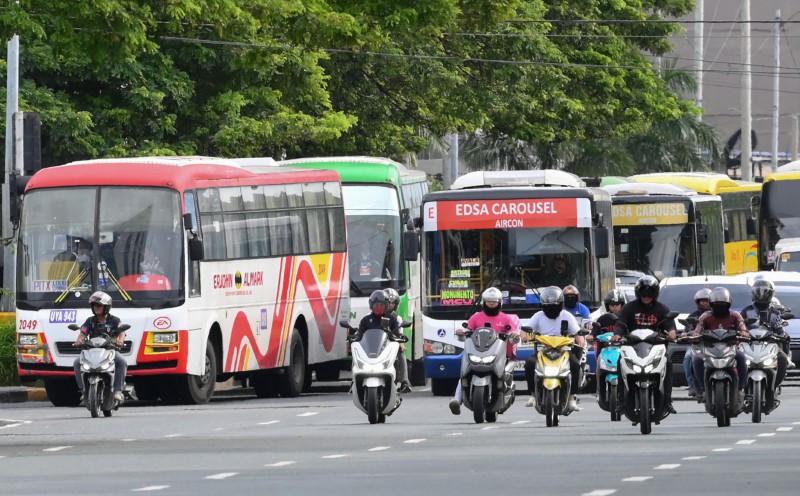
Manila - Philippine bus operators pleaded with President Ferdinand Marcos to permit fare increases on Tuesday, citing the threat that skyrocketing fuel costs pose to their operations. Diesel, which predominantly powers the Southeast Asian nation's buses, has almost doubled in price since the initial US-Israeli strikes on Iran in February ignited the war.
Despite a fare hike in March, Marcos revoked the decision a day later, leaving ticket prices unchanged. Recently, the price of diesel surged by 8.82 pesos (approximately 14 US cents) per liter.
A group of companies representing bus lines nationwide, serving a population of 116 million, expressed in a statement that operations might soon become untenable due to fuel costs. They emphasized that they are not seeking government aid but rather a just and sustainable fare that accurately reflects the cost of providing public transportation.
Millions of Filipinos rely on buses to commute to and from work daily, with fares ranging from 13 to 15 pesos for the first five kilometers, with an additional three pesos for each subsequent kilometer. When reached via AFP, the transportation department cited a Saturday statement expressing hope for a positive decision on a rate hike in the coming days.
The Philippines, reliant on oil imports, declared a national energy emergency in March and has had to broaden its search for fuel, including buying oil from Russia. Unlike neighboring countries like Indonesia, Malaysia, and Thailand, fuel prices in the Philippines are unregulated, burdening local transport firms with market fluctuations. The Marcos administration provided a one-time subsidy of 10,000 pesos per vehicle in March, alongside additional handouts to transport workers such as taxi drivers and jeepney operators.
On Tuesday, the energy department reported a 57-day reserve of diesel and sufficient petrol for 56 days.
Written by urgent.news from New Straits Times's reporting — not their text. Machine-written — may contain errors; check the original before relying on it.
This story
This is one outlet's version. Read the fullest account.