Pengampunan: Semua orang ada peluang kedua, betulkah?
Kalau kita benar-benar percaya kepada peluang kedua, adakah kita sanggup terima ia juga boleh diberikan kepada orang yang tidak kita suka?
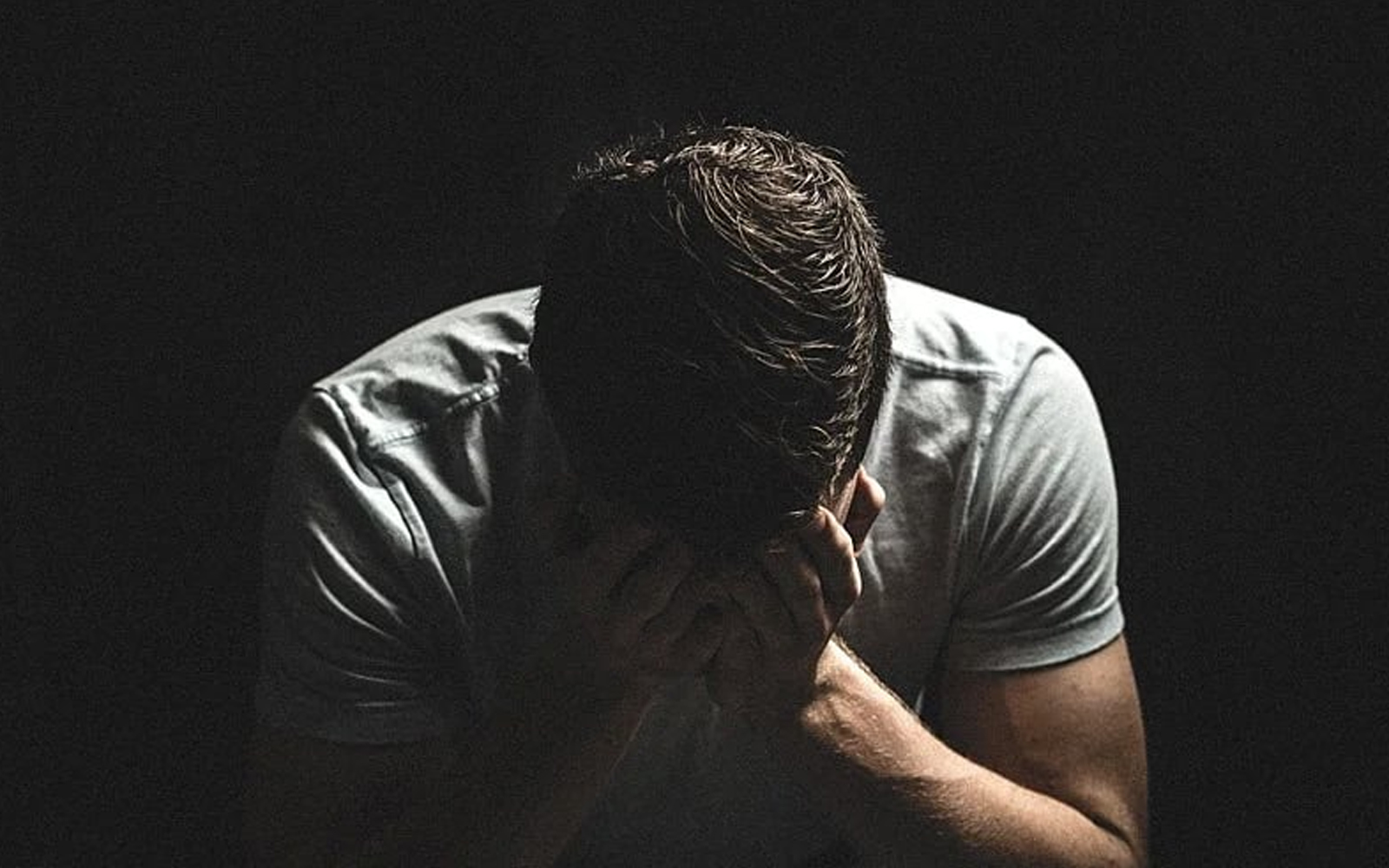
Everyone enjoys the phrase "second chance." When a child makes a mistake, we say they are still learning. When a friend lets us down, we give them space to explain. When someone truly regrets their actions, we might say, "No matter what." All people have the potential to change. Yet, for some reason, when the person who made the mistake is someone we don't like, the phrase "second chance" suddenly seems less appealing.
We start talking about punishments. About fairness. About mistakes that can't be forgotten. Perhaps at that point, we need to ask ourselves—do we truly believe in forgiveness, or only in forgiveness when it's given to someone we deem deserving? The question is easy to ask, but not necessarily easy to answer. In life, we have all been on both sides.
There was a time when we did something wrong. There was a time when we had to endure someone else's mistake. When we're on one side, we hope others understand. When we're on the other side, we want fairness. That's how humans are—we want both, but not necessarily at the same time. Forgiveness sounds noble, it implies compassion, remorse, and the chance for someone to start life anew, but forgiving someone doesn't mean the mistake never happened.
It also doesn't mean history must be erased or those affected simply have to forget. That's why forgiveness and fairness aren't always enemies. The challenge is finding the middle ground between the two. It's even harder when forgiveness involves someone with a big name, position, or influence. Suddenly, the conversation isn't about whether someone has truly repented or deserves a chance.
Many people start asking different questions. Do all people have the same chance for a second chance? Do businessmen have the same door to knock on? Or, like so many things in life, second chances also have their own loopholes? That last question might sound cynical, but isn't curiosity often born from something that seems to be on many people's minds?
We can accept that forgiveness is part of life. We can understand that fairness has room for consideration and compassion. But trust is not determined solely by a decision. It's also determined by the belief that the same principle is respected. If people feel a decision was made based on clear principles, they might not agree with it.
But they can still accept that the system is working. Conversely, if they start feeling that someone's standing determines the breadth of opportunity available, the issue is not just about their opinion on a decision. It's about trust. And people's trust is not something that can be easily regained by simply saying, "believe." In normal life, we understand this.
A child makes a mistake. Their parents might scold them, but they still open their home to them. A friend lets us down. We might take time to forgive, but eventually give them space to mend the relationship. An employee makes a mistake. Their employer might take action, but that doesn't mean they shut the door on their entire future.
Why? Because we understand one simple thing—condemning someone and giving them a chance aren't always two opposing things. However, when it involves greater power, we become more careful. Because the decision doesn't only affect an individual. It also shapes how society views fairness. If forgiveness is seen as part of a system with principles and limits, it can be understood as a form of compassion.
But if it's seen as something easily achieved by those with power and influence, the question becomes bigger. It's not just about who is forgiven, but who really has the chance to hope. On social media, we often see the same thing. If someone we support gets a second chance, we talk about humanity. If someone we don't like gets the same opportunity, we start reevaluating all their faults.
Our principle, it seems, has many faces. And that face depends on who is standing in front of us. Maybe that's why we need to be honest when talking about forgiveness. If we believe people can change, we need to accept that second chances do exist. If we believe in fairness, we also need to ensure forgiveness doesn't become an excuse to deny mistakes or forget those who have been affected.
Both can exist together. We can acknowledge someone has done wrong and at the same time believe they still have value as a human being. We can accept a punishment has been handed down and at the same time understand that forgiveness has its own place. Most importantly, we shouldn't build separate scales for the people we like and the people we don't.
Because if we do, we're not really upholding fairness. We're only upholding our side. Ultimately, we are all human. We've all been lost. We've all let others down. And at some point, we ourselves might need someone to say, "I give you a second chance." So, maybe the real question isn't who deserves forgiveness. If we truly believe in second chances, are we willing to accept that chance might also be given to someone we don't like?
That principle will truly be tested. Not when forgiveness is given to someone we care about, but when.
Written by urgent.news from Free Malaysia Today's reporting — not their text. Machine-written — may contain errors; check the original before relying on it.
This story
This is one outlet's version. Read the fullest account.
- Pengampunan: Semua orang ada peluang kedua, betulkah? freemalaysiatoday.com