Pay rent, eat or keep warm? Growing numbers face hard choices as housing benefit gap grows
Wirral mother among renters turning to food banks as gap between a two-bed and housing benefit hits £158 a month – rising to as much as £324 in London Do you prioritise paying the rent, putting food on the table or keeping the house warm in winter? In practice, says Laura Braddock, a single mum from Wirral, Merseyside, you always pay the rent first and improvise the rest. “If I’ve got a roof over…
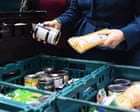
A single mother in Wirral, Laura Braddock, is among many renters struggling to make ends meet as the gap between rent and housing benefit widens. Braddock, who pays £550 a month for her two-bedroom flat, receives £425 in housing allowance, leaving her to cover a £125 "rent gap." She copes by prioritising rent payments and making sacrifices like eating cheap pasta and beans or skipping meals. However, these strategies failed her in January, and she had to visit a food bank for the first time in years.
Trussell, the food bank network, estimates that the growing gap between local housing allowance (LHA) and rent has forced more than half of private renters receiving housing support to go without food and heating. The gap is expected to reach record levels this autumn, with an average difference of £158 a month and as much as £324 in parts of London.
To address this issue, Trussell advocates linking LHA rates more closely to actual rents, estimating that this would lift 105,000 people out of severe hardship by 2028-29, including 40,000 children. However, the Department for Work and Pensions argues that there are concerns about landlords increasing rents and tenants moving to more luxurious homes if LHA were to match the going rate for private rentals.
The growing LHA gap is a consequence of years of austerity and rising private rents, and campaigners plan to bring this issue to the forefront in the upcoming budget. They argue that freezing LHA while rents continue to rise is causing many low-income families to struggle and consider food banks as a last resort.
Written by urgent.news from Guardian Business's reporting — not their text. Machine-written — may contain errors; check the original before relying on it.