Palaces where a Kingdom took shape
RIYADH — As the new Saudi state grew, some of its most important chapters were written inside palaces that became centers of leadership, administration and diplomacy.They were residences, but they were also working spaces of a developing state.At Al-Murabba Palace in Riyadh, Khuzam Palace in Jeddah and the Red Palace in the capital, royal life existed alongside the business of government.…
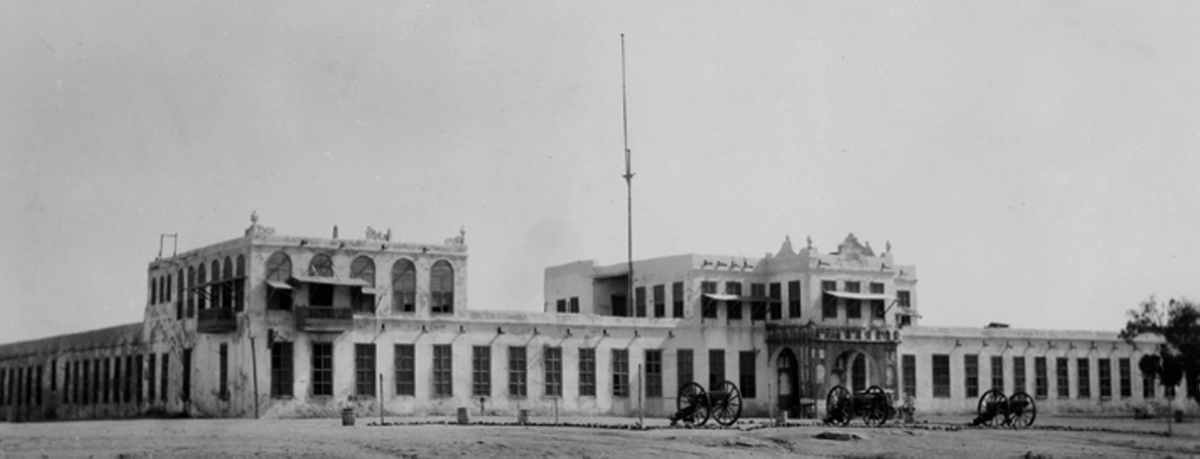
Riyadh — As Saudi Arabia's state expanded, its most crucial chapters were written within palaces that served as key centers for leadership, administration, and diplomacy. These residences were also active spaces for the growing state. At Al-Murabba Palace in Riyadh, Khuzam Palace in Jeddah, and the Red Palace in Riyadh, royal life coexisted with governmental business.
Decisions were made, officials and citizens were welcomed, foreign guests arrived, and the Kingdom's expanding duties were handled. Collectively, the palaces provide an architectural chronicle of a pivotal era in Saudi Arabia's growth.
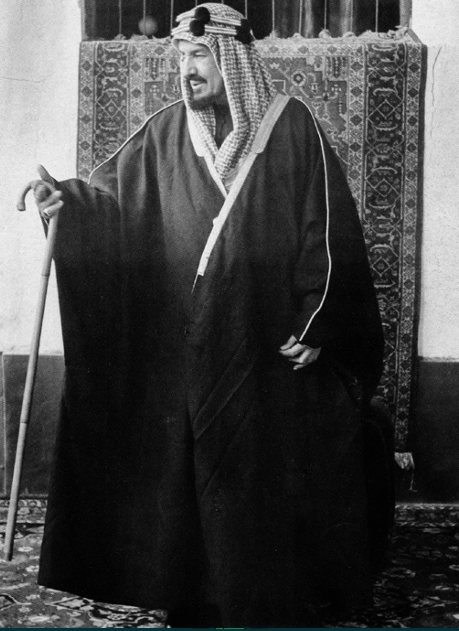
Al-Murabba Palace stood out among them. King Abdulaziz bin Abdulrahman Al Saud commissioned its construction outside the walls of old Riyadh, symbolizing the city's burgeoning expansion. The complex became closely tied to King Abdulaziz and the administration of the country during the later years of his reign. However, Al-Murabba was more than just a government hub. It was also a home, where glimpses of the founder's personal life could be found through memories preserved by his family members.
In Jeddah, Khuzam Palace played a significant role in the emerging Kingdom. It served King Abdulaziz during his stays in the city and hosted official meetings and guest receptions. The palace's architecture eventually became a recognizable symbol of the nation. The King Abdulaziz Foundation for Research and Archives notes that the main gate of Khuzam Palace was featured on Saudi paper currency issued in 1955, highlighting its importance even during its formative years.
The Red Palace in Riyadh marked another evolution stage. Constructed during King Abdulaziz's reign and linked to Prince Saud bin Abdulaziz, it performed crucial official functions. It housed the Royal Court, received royal guests, later accommodated the Secretariat of the Council of Ministers, and welcomed foreign leaders and dignitaries, integrating it into the diplomatic life of the growing Kingdom.
Each palace had its unique history, but together, they demonstrate how architecture supported state-building. As Riyadh grew, Al-Murabba became a new royal and administrative center beyond the old city walls. As Jeddah became the Kingdom's gateway to the world, Khuzam became a stage for royal and official affairs. As government institutions expanded, the Red Palace became a part of an increasingly organized machinery of state.
Although Saudi government would grow into ministries, headquarters, and specialized institutions far beyond those early decades, the foundations of these palaces' importance lay in their role as spaces where leadership was exercised, diplomacy was conducted, and the affairs of the young Kingdom advanced. Today, nearly a century later, they remain architectural landmarks of the era when modern Saudi Arabia was taking shape.
Written by urgent.news from Saudi Gazette's reporting — not their text. Machine-written — may contain errors; check the original before relying on it.